Author: murphymelissa710

  • Why Commercial Vehicle Insurance Is Essential for Every Business Owner

    Why Commercial Vehicle Insurance Is Essential for Every Business Owner

    Running a business that relies on vehicles comes with both opportunities and risks. Whether you use service trucks, delivery vans, or a fleet of company cars, your vehicles are essential assets that keep operations moving. However, they are also exposed to accidents, theft, and unexpected damages. This is where commercial vehicle insurance becomes helpful and necessary. It provides financial protection, legal compliance, and long-term stability for businesses of all sizes.

    Protecting Business Assets From Financial Loss

    Commercial vehicles represent a significant investment for any business owner. Without insurance, any damage or total loss caused by accidents, fire, or natural disasters can lead to substantial out-of-pocket expenses. Commercial vehicle insurance helps absorb these financial shocks by covering repair or replacement costs.

    Beyond the vehicles themselves, many businesses also rely on tools, goods, or equipment transported within them. Insurance can extend protection to these items as well, ensuring that a single incident does not disrupt the entire supply chain or service delivery process.

    Covering Liability Risks and Legal Expenses

    Accidents involving business vehicles can result in third-party injuries, property damage, or even legal disputes. In such cases, liability costs can quickly escalate and place a heavy burden on a business’s finances. Commercial vehicle insurance, like those offered at Sierra Oak Insurance Services Inc, helps cover these liabilities, including medical expenses, repair costs for third-party property, and legal fees if claims are filed.

    For business owners, this coverage is crucial in maintaining legal and financial stability. It ensures that a single unfortunate event does not lead to lawsuits or debts that could threaten the future of the company.

    Supporting Business Continuity During Disruptions

    When a commercial vehicle is damaged or taken off the road, it can directly impact daily operations. Deliveries may be delayed, services interrupted, and customer satisfaction affected. Commercial vehicle insurance often includes options such as replacement vehicle coverage or downtime compensation, helping businesses continue operating even during unexpected disruptions.

    This type of support is especially valuable for small and medium-sized enterprises that may not have spare vehicles or extra financial resources to manage downtime. Insurance helps minimize operational interruptions and keeps the business running smoothly.

    Enhancing Employee Safety and Confidence

    Employees who drive company vehicles face risks every time they are on the road. Knowing that they are covered by a comprehensive insurance policy can improve their sense of security and confidence. In some cases, insurance policies also include personal accident coverage for drivers, offering financial protection in the event of injury.

    This added layer of safety can improve employee morale and reduce stress, allowing drivers to focus more on safe driving practices. For employers, it also demonstrates a commitment to worker well-being, which can support retention and productivity.

    Meeting Legal Requirements and Industry Standards

    In many regions, commercial vehicle insurance is not optional but a legal requirement. Businesses that operate without proper coverage may face fines, penalties, or even suspension of operations. Compliance with insurance regulations ensures that a business is operating within the law and meeting industry standards.

    Beyond legal obligations, having proper insurance can also improve a company’s reputation. Clients, partners, and stakeholders are more likely to trust businesses that demonstrate responsibility and risk management through adequate insurance coverage.

    Commercial vehicle insurance plays a vital role in protecting the backbone of many businesses: their vehicles and the operations that depend on them. From covering unexpected repair costs and liability claims to ensuring day-to-day continuity and legal compliance, it offers a safety net that no business owner should overlook. Without it, even a minor incident on the road can quickly turn into a major financial setback.

    Ultimately, having the right coverage is about more than meeting requirements; it’s about building a resilient, responsible, and prepared business. By investing in commercial vehicle insurance, business owners can focus more on growth and service delivery, knowing their operations are safeguarded against the uncertainties of the road.

  • Smart Improvements That Elevate Office Spaces

    Smart Improvements That Elevate Office Spaces

    Creating a productive and welcoming office environment requires more than basic furnishings. Modern workplaces are evolving to support efficiency, comfort, and adaptability, which makes thoughtful upgrades increasingly valuable. Whether the goal is to enhance employee well-being or improve operational flow, strategic changes can transform how a space functions. By focusing on practical enhancements, businesses can ensure their office environment supports both daily tasks and long-term growth.

    Upgrading Entryways With Smarter Access

    First impressions matter, and the entrance of an office plays a significant role in shaping how visitors and employees perceive the space. Incorporating commercial door entrance systems can improve accessibility while maintaining security. In particular, integrating automatic entrance systems allows for seamless entry, reducing congestion during peak hours and improving overall convenience.

    Beyond functionality, modern entryways also contribute to energy efficiency by minimizing air exchange between indoor and outdoor environments. This can help regulate interior temperatures and reduce strain on climate control systems. As a result, upgrading entry points not only enhances usability but also supports operational efficiency in subtle yet meaningful ways.

    Improving Comfort With Advanced Cooling Solutions

    Maintaining a comfortable indoor climate is essential for productivity and employee satisfaction. Offices that struggle with inconsistent temperatures often experience reduced focus and increased discomfort. Investing in professional AC installation can address these issues by ensuring proper airflow and temperature regulation throughout the workspace.

    Moreover, modern air conditioning systems are designed with energy efficiency in mind, helping businesses reduce utility costs while maintaining optimal conditions. Proper installation also ensures that systems operate at peak performance, preventing common issues such as uneven cooling or excessive energy consumption. Over time, these improvements contribute to a healthier and more comfortable work environment.

    Redesigning Layouts for Improved Workflow

    Office layouts play a crucial role in determining how efficiently teams operate. Outdated or poorly designed spaces can hinder communication and create unnecessary obstacles. By reconfiguring layouts to promote collaboration while maintaining areas for focused work, businesses can achieve a better balance between teamwork and individual productivity.

    Open spaces, quiet zones, and collaborative areas should be strategically placed to accommodate different working styles. As needs evolve, flexible layouts make it easier to adapt without requiring extensive renovations. This adaptability ensures that the office remains functional and relevant over time.

    Integrating Technology for Seamless Operations

    Modern offices rely heavily on technology to streamline processes and enhance communication. Upgrading infrastructure to support high-speed internet, advanced conferencing systems, and smart office tools can significantly improve efficiency. These upgrades enable employees to work more effectively, whether they are collaborating in person or connecting remotely.

    Furthermore, integrating technology into daily operations reduces manual tasks and minimizes errors. Automated systems, digital scheduling tools, and centralized platforms contribute to a more organized and productive workplace. As technology continues to evolve, staying current ensures that businesses remain competitive and responsive.

    Improving Air Quality for Healthier Workspaces

    Indoor air quality is an often-overlooked factor that directly affects employee health and comfort. Poor ventilation can lead to fatigue, allergies, and reduced productivity. Upgrading ventilation systems and incorporating air purification solutions can create a healthier environment for everyone in the office.

    In addition, maintaining proper humidity levels helps prevent issues such as mold growth and respiratory discomfort. When combined with efficient climate control systems, improved air quality supports both physical well-being and overall workplace satisfaction.

    Updating Furnishings for Ergonomic Support

    Ergonomic furniture is essential for promoting comfort and reducing the risk of workplace injuries. Chairs with proper lumbar support, adjustable desks, and thoughtfully designed workstations can significantly improve posture and reduce strain during long hours of work.

    As employees spend a considerable amount of time at their desks, investing in ergonomic solutions contributes to long-term health benefits. Comfortable furnishings also enhance focus, allowing individuals to perform their tasks more efficiently without unnecessary discomfort.

    Strengthening Security Measures Across the Office

    Security is a critical consideration for any office environment. Upgrading access control systems, surveillance equipment, and alarm systems helps protect both employees and valuable assets. Modern security solutions offer advanced features such as remote monitoring and automated alerts, providing greater control and peace of mind.

    Incorporating secure entry points and monitoring systems ensures that only authorized individuals can access specific areas. These measures not only enhance safety but also create a more controlled and organized environment.

    Refreshing Aesthetics to Inspire Creativity

    The visual appeal of an office can influence employee morale and creativity. Outdated or uninspiring spaces may negatively impact motivation, while refreshed interiors can foster a more positive atmosphere. Updating color schemes, adding greenery, and incorporating modern design elements can transform the overall look and feel of the workspace.

    A well-designed office reflects the values and culture of the organization, creating a sense of pride among employees. By investing in aesthetics, businesses can create an environment that encourages innovation and collaboration.

    Supporting Efficiency Through Thoughtful Upgrades

    Office upgrades are not merely about appearance; they are about creating a space that supports efficiency, comfort, and growth. From enhancing entryways to improving climate control, each improvement contributes to a more functional and enjoyable workplace. When upgrades are carefully planned and implemented, they can have a lasting impact on both employee satisfaction and operational success.

    By focusing on practical solutions and maintaining a forward-thinking approach, businesses can ensure their office spaces remain adaptable and effective. Over time, these enhancements create an environment where productivity thrives and employees feel supported in their daily work.

  • 5 Visual Touchpoints Every Retail Store Should Be Optimizing Right Now

    5 Visual Touchpoints Every Retail Store Should Be Optimizing Right Now

    Retail is no longer just about selling products—it’s about creating an experience. Shoppers today expect stores to be visually engaging, easy to navigate, and consistent with the brand’s identity. Every detail matters, from the moment they see the storefront to the time they check out. That’s why optimizing visual touchpoints is essential.

    Let’s explore five visual touchpoints that deserve immediate attention in a retail store.

    Storefront Displays That Capture Attention

    Your storefront is the handshake between your brand and potential customers. It’s the first thing people see, and it often determines whether they step inside or keep walking. A strong storefront display should be bold, creative, and relevant to the season or current promotions. Think of it as storytelling through visuals—using color, texture, and arrangement to communicate what your store is all about.

    Retailers should refresh displays regularly to avoid looking stale. A holiday-themed window, a spotlight on new arrivals, or a creative arrangement of bestsellers can spark curiosity. Lighting also plays a role here; highlighting focal points ensures that passersby notice the products you want to feature. When done well, storefront displays don’t just attract attention—they create anticipation for what’s inside.

    Beyond aesthetics, storefronts also serve as a branding tool. They communicate values, style, and uniqueness. A minimalist fashion boutique might use clean lines and neutral tones, while a toy store could embrace bright colors and playful props. The goal is to make the storefront a reflection of the brand identity, ensuring consistency between what customers see outside and what they experience inside.

    Digital and Print Signage That Guides and Informs

    Once customers enter, signage becomes their compass. Both digital and print signage are essential tools for communication. Digital signage offers flexibility, allowing retailers to update promotions instantly, showcase interactive content, or even display social media feeds. Print signage, on the other hand, provides consistency and permanence, reinforcing brand identity across the store.

    Together, digital and print signage create a balanced environment. They help customers find what they need, understand promotions, and feel confident about their choices. Placement is key—signs should be visible without being overwhelming. Clear fonts, concise messaging, and strong visuals make signage effective. When customers can easily navigate and understand what’s on offer, they’re more likely to stay longer and spend more.

    Signage also plays a role in storytelling. A well-placed sign can highlight sustainability initiatives, explain product features, or promote loyalty programs. This adds depth to the shopping experience, making customers feel informed and connected. Retailers should treat signage as part of the brand voice, ensuring that every message aligns with the store’s personality and values.

    Shelf Labels That Simplify Choices

    The shelf is where many purchase decisions happen, and labels are the silent salespeople guiding those choices. Clear, accurate, and visually appealing labels help customers compare products quickly. They provide essential information such as price, product details, and promotions.

    Advances in label technology have transformed this touchpoint. In-store printers allow retailers to update information instantly, reducing errors and ensuring accuracy. This is especially important in fast-moving categories like groceries, where prices and promotions change frequently. Well-designed labels also highlight value, making it easier for customers to spot deals and feel confident in their purchase.

    Labels can also enhance the customer experience by offering more than just numbers. QR codes, nutritional highlights, or eco-friendly certifications can be integrated into shelf labels, giving customers quick access to deeper information. This not only builds trust but also empowers shoppers to make informed decisions. By investing in modern labeling solutions, retailers streamline operations while creating a more transparent and engaging shopping environment.

    Strategic Lighting That Shapes Mood and Focus

    Lighting is often overlooked, yet it has a powerful impact on how customers perceive a store. It influences mood, highlights products, and even affects how long people stay. Bright, focused lighting draws attention to featured items, while softer tones create a welcoming atmosphere.

    Retailers should think strategically about layering different types of lighting. Ambient lighting sets the overall tone, accent lighting highlights specific products, and task lighting ensures functionality in areas like fitting rooms or checkout counters. The goal is to guide the shopper’s eye naturally, making the store feel inviting and easy to explore.

    Lighting also reinforces brand identity. A luxury retailer might use warm, subtle lighting to create an intimate feel, while a tech store could embrace bright, clean lighting to emphasize innovation. The right lighting strategy makes products look more appealing, encourages longer browsing, and increases sales opportunities. It’s not just about visibility—it’s about shaping the emotional connection customers have with the store.

    In-Store Layouts That Encourage Flow

    The layout of a store is more than just a physical arrangement—it’s a visual journey. A cluttered or confusing layout can frustrate customers, while a clear and intuitive design encourages exploration. Retailers should consider how shoppers move through the space and place high-demand items strategically to balance traffic.

    Visual cues such as floor graphics, directional signage, or strategically placed displays can guide customers smoothly from one section to another. Checkout areas should be easy to find, and impulse-buy items should be positioned where they naturally catch attention. A well-optimized layout not only improves the shopping experience but also maximizes exposure to products, increasing the likelihood of additional purchases.

    Layout optimization also supports storytelling. Grouping products by theme or lifestyle creates a narrative that resonates with customers. For example, a sports retailer might design a section that combines footwear, apparel, and accessories for runners, making it easier for shoppers to envision a complete purchase. When customers feel comfortable navigating the store, they’re more likely to return and recommend the experience to others.

    Conclusion

    Retailers today face intense competition, and optimizing visual touchpoints is one of the most effective ways to stand out. Storefront displays attract attention, digital and print signage guide and inform, shelf labels simplify choices with modern label technology, lighting shapes mood, and layouts encourage flow.

    Together, these elements create a shopping experience that feels effortless, engaging, and rewarding. By investing in these areas, retailers can build stronger connections with customers and ensure that every visit leaves a lasting impression.

  • Types of Fire Suppression Systems and Their Unique Benefits

    Types of Fire Suppression Systems and Their Unique Benefits

    Fire suppression systems are essential safety measures designed to control or extinguish fires before they spread. These systems are used in homes, commercial buildings, and industrial spaces to protect lives and property. Choosing the right system depends on the type of fire hazards present and the environment where the system will be installed.

    Understanding the different types of fire suppression systems can help property owners make informed safety decisions. Each system has its unique mechanism and suitability depending on the materials, space, and risks involved. From traditional sprinklers to advanced chemical agents, modern fire suppression systems are more effective than ever. In this article, we will explore the main types of systems and the benefits they provide.

    1. Wet Pipe Sprinkler Systems

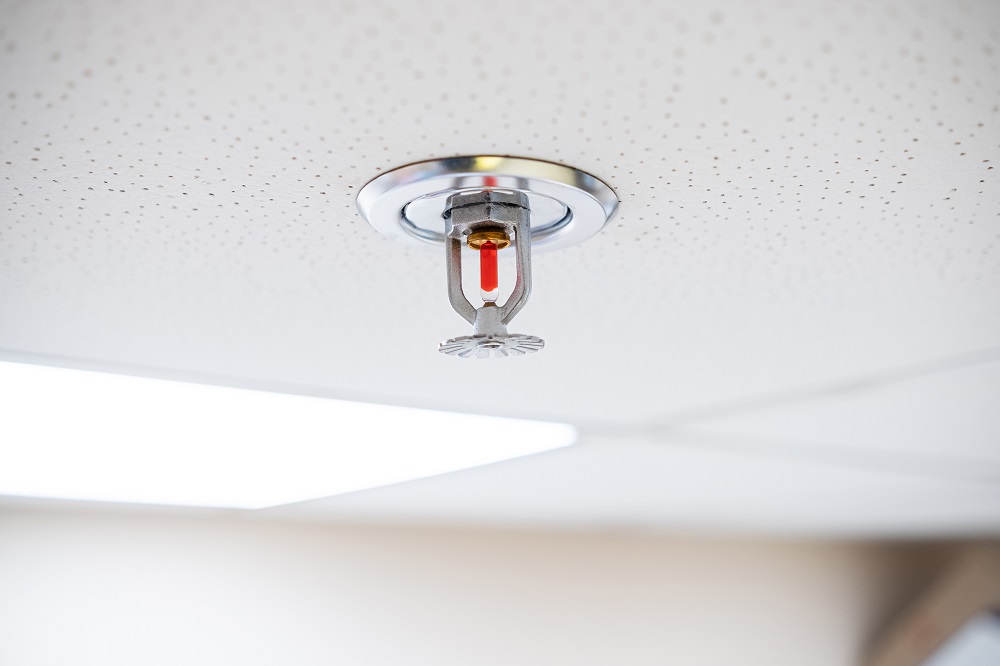
    The most popular kind of fire suppression system is a wet pipe sprinkler. These systems have water-filled pipes that deliver water immediately when a sprinkler head detects heat. They are reliable because water is always present in the system, ready to extinguish fires.

    Wet pipe systems are best suited for buildings where freezing temperatures are not a concern. They are cost-effective, simple to maintain, and highly efficient for quick response. The system can quickly control or suppress fires, preventing further damage and giving occupants time to evacuate safely. Overall, wet pipe sprinklers are an excellent choice for offices, schools, and many commercial spaces.

    2. Dry Pipe Sprinkler Systems

    Similar to wet pipe systems, dry pipe systems use pressurized air rather than water inside the pipes. When a sprinkler is activated by a fire, the air is released first, allowing water to pass through the pipes and put out the flames. These systems are ideal for areas where water-filled pipes might freeze, such as unheated warehouses or attics.

    Although slightly slower than wet pipe systems, dry pipe systems prevent costly damage from frozen or burst pipes. Maintenance requires regular checks to ensure the air pressure remains adequate. They are highly effective in controlling fires while avoiding water damage in sensitive areas. Dry pipe systems are commonly used in industrial and storage facilities where freezing is a risk.

    3. Pre-Action Sprinkler Systems

    Pre-action sprinkler systems combine elements of both wet and dry pipe systems. They require two triggers: a smoke or heat detector must sense a fire before water is released. This design minimizes the risk of accidental water discharge, which can damage valuable equipment or property. Pre-action systems are frequently installed in data centers, museums, and libraries where water-sensitive materials are present. This system provides extra protection because water is only released when a real fire is detected.

    Pre-action sprinklers can be connected with other fire detection and suppression devices, offering a layered approach to safety. Understanding how they function helps facility managers make informed decisions when reviewing different types of fire suppression systems for unique environments. This knowledge can prevent costly mistakes and improve overall safety planning.

    4. Clean Agent Fire Suppression Systems

    Clean agent systems use gases like FM-200 or NOVEC 1230 to suppress fires without leaving residue. These systems are ideal for protecting electronics, artwork, and other sensitive items that could be damaged by water. Clean agents work by removing heat or interrupting the chemical reaction of the fire. They are safe for occupied spaces when used according to manufacturer guidelines.

    Installation can be more expensive than traditional sprinklers, but the protection they offer is often worth the investment. Clean agent systems act quickly, limiting fire damage and minimizing downtime in commercial operations. These systems are commonly used in server rooms, laboratories, and archives.

    5. Foam Fire Suppression Systems

    Foam fire suppression systems are effective for flammable liquid fires, such as gasoline or chemical storage areas. They work by covering the fire with a layer of foam, cutting off oxygen and preventing re-ignition. Foam systems are widely used in industrial facilities, airports, and fuel storage areas.

    They provide rapid control over high-risk flammable fire hazards. Proper maintenance ensures that the foam concentrate and delivery equipment remain effective over time. The systems can be tailored to different hazards, making them versatile for specialized fire risks. Foam fire suppression is an essential solution where traditional water systems might not be sufficient.

    6. Specialized Fire Suppression Systems

    In addition to the systems mentioned, there are other specialized options like wet chemical systems for kitchens and water mist systems for heritage buildings. Wet chemical systems are designed for grease fires in commercial kitchens and react to cool the flames and prevent re-ignition.

    Water mist systems use fine water droplets that absorb heat efficiently while reducing water damage compared to traditional sprinklers. These systems are tailored to environments with specific fire hazards or where property preservation is crucial. Each specialized system has unique benefits that make them suitable for different scenarios.

    Conclusion

    Fire suppression systems play a critical role in protecting people, property, and assets from fire damage. By understanding the different types of fire suppression systems, property owners can choose solutions tailored to their specific risks. Whether it’s a simple wet pipe system for an office or a clean agent system for a data center, each type provides unique advantages.

    Modern systems are designed to respond quickly and efficiently while minimizing property damage. Regular maintenance and professional installation are key to ensuring these systems function when needed most. Investing in the right fire suppression system is a proactive step toward safety and peace of mind. Ultimately, knowing your options allows you to implement a system that fits your environment and hazard profile perfectly.

  • 7 Upgrades That Make Your Commercial Space Look More Established

    7 Upgrades That Make Your Commercial Space Look More Established

    A well-designed commercial space does more than impress visitors—it builds trust, communicates professionalism, and strengthens your brand identity. Whether you’re running a retail store, office, or showroom, the right upgrades can transform your environment into one that feels established and credible.

    Here are seven impactful improvements that can elevate your space and leave a lasting impression.

    Invest in Professional Interior Design Services

    The foundation of an established commercial space lies in its design. Interior design services offered by professionals, like Interiors By Steven G, can help you create a cohesive look that reflects your brand’s values and vision. Instead of piecing together furniture and décor on your own, a designer ensures that every element—from layout to lighting—works together seamlessly.

    This not only enhances aesthetics but also improves functionality, making your space more welcoming for clients and efficient for employees. A thoughtfully designed interior signals that your business is serious, organized, and invested in quality. Over time, this investment pays off by creating a space that feels timeless rather than trendy, ensuring your business maintains a strong presence.

    Upgrade to High-Quality Flooring

    Flooring is often overlooked, yet it sets the tone for the entire space. Worn-out carpets or outdated tiles can make a business look neglected, while polished hardwood, luxury vinyl, or modern stone flooring conveys sophistication. Durable, high-quality flooring also reduces maintenance costs and withstands heavy foot traffic, which is essential in commercial settings.

    By upgrading your floors, you create a cleaner, more professional environment that immediately elevates your brand image. Clients notice these details, and when they see a well-maintained floor, they associate it with stability and care. It’s a subtle but powerful way to communicate that your business is built to last.

    Enhance Lighting for Ambiance and Functionality

    Lighting plays a critical role in how people perceive your business. Harsh fluorescent lights can feel cold and uninviting, while layered lighting—combining ambient, task, and accent fixtures—creates warmth and depth. Modern LED solutions not only save energy but also allow for customizable brightness and color tones.

    Thoughtful lighting design highlights key areas, improves employee productivity, and makes customers feel comfortable. A well-lit space communicates attention to detail and professionalism. When visitors walk into a space with balanced lighting, they immediately sense that the environment is cared for, which reinforces confidence in your brand.

    Incorporate Branded Signage and Visual Identity

    Signage is more than just a nameplate—it’s a statement of credibility. High-quality, custom signage reinforces your brand identity and makes your business instantly recognizable. Whether it’s a sleek lobby sign, window graphics, or directional signage, consistency in design builds trust and familiarity.

    Established businesses invest in signage that reflects their brand’s personality, ensuring that every visitor experiences a strong and memorable first impression. Beyond aesthetics, signage also improves navigation and customer experience, which shows that your business values clarity and professionalism.

    Display Art and Install Pictures Professionally

    Art and photography add character to a commercial space, but how they’re displayed matters just as much as the pieces themselves. Professional business picture hanging services ensure that artwork is aligned, balanced, and securely installed. This attention to detail prevents a cluttered or amateur look and instead creates a polished environment.

    Well-chosen art can inspire creativity, spark conversation, and reinforce your brand’s values. When displayed with precision, it signals that your business values quality and presentation. A gallery-like approach to art installation elevates your space, making it feel curated and intentional rather than improvised.

    Modernize Furniture and Layout

    Outdated or mismatched furniture can make a space feel temporary or unprofessional. Investing in modern, ergonomic furniture not only improves comfort but also communicates that your business is forward-thinking. A strategic layout enhances flow, maximizes space, and ensures that both employees and clients feel at ease.

    Sleek conference tables, comfortable seating, and functional workstations all contribute to a professional atmosphere that reflects stability and success. When people see a well-organized office or showroom, they associate it with efficiency and reliability, which strengthens your reputation.

    Integrate Smart Technology and Amenities

    Technology upgrades are essential for businesses that want to appear established and future-ready. Smart systems for climate control, security, and audiovisual presentations demonstrate efficiency and innovation. Amenities such as charging stations, interactive displays, or digital directories enhance convenience for visitors and employees alike.

    These upgrades show that your business is not only keeping up with modern standards but also prioritizing user experience. A space equipped with smart technology feels progressive and trustworthy, signaling that your company is prepared for growth and longevity.

    Conclusion

    Creating an established look for your commercial space requires more than surface-level changes—it’s about thoughtful upgrades that reflect professionalism, stability, and brand identity.

    From professional interior design services to polished flooring, strategic lighting, and precise picture hanging, each improvement builds credibility and trust. By investing in these upgrades, you transform your space into one that not only impresses but also communicates that your business is here to stay.

  • Invisible Protection: Materials That Keep Your Property Safe from Unexpected Threats

    Invisible Protection: Materials That Keep Your Property Safe from Unexpected Threats

    When it comes to protecting your property, not all safeguards are obvious. Some of the most powerful defenses are built quietly into the materials that surround you every day. From reinforced walls to advanced door systems, modern construction now prioritizes protection without compromising style.

    Invisible protection focuses on durability, fire resistance, and structural integrity that work behind the scenes. These materials are designed to respond when emergencies happen, whether it’s fire, forced entry, or environmental stress. The right choices can significantly reduce damage and give occupants more time to respond safely. Below are several materials and systems that help keep properties secure from unexpected threats.

    Fire-Rated Walls and Treated Structural Materials

    Fire-rated walls and specially treated structural materials play a critical role in containing fire and slowing its spread. These systems are engineered to withstand high temperatures for a specified period, offering valuable time for evacuation and emergency response. Materials such as gypsum board assemblies, fire-resistant insulation, and concrete walls are commonly used in both residential and commercial buildings.

    Their primary purpose is compartmentalization, which helps isolate flames and smoke to a limited area. This type of invisible protection is especially important in multi-unit buildings and shared spaces. Beyond fire resistance, many of these materials also contribute to overall structural stability. By integrating fire-rated construction early in the design process, property owners strengthen both safety and long-term resilience.

    Reinforced Concrete and Impact-Resistant Glass

    Reinforced concrete is widely recognized for its strength and durability under pressure. Steel reinforcement bars embedded within concrete significantly improve its resistance to cracking and structural failure. This makes it particularly effective against natural disasters such as earthquakes or severe storms. Similarly, impact-resistant glass is designed to withstand high-force impacts without shattering into dangerous shards.

    Laminated glass, for instance, holds together even when cracked, reducing the risk of injury and forced entry. These materials may look like standard building components from the outside, but their internal structure provides critical protection. Incorporating reinforced concrete and high-performance glazing adds an extra layer of security without drastically changing a building’s appearance.

    Secured and Fire-Rated Doors

    Doors are often considered entry points, but they are also one of the most important protective barriers within a property. Secured and fire-rated doors are engineered to resist both forced entry and high temperatures. They are constructed using reinforced cores, heavy-duty frames, and specialized hardware designed for durability. Fire-rated doors are tested to withstand flames and smoke for specific time periods, helping to slow the spread between rooms or zones.

    In commercial settings, systems such as a steel folding door like Won-Door are designed to provide both security and fire resistance in one integrated solution. This type of door system can compartmentalize spaces quickly while maintaining daily accessibility. By investing in secure and fire-rated door systems, property owners strengthen one of the most critical lines of defense.

    Advanced Roofing and Weather-Resistant Barriers

    The roof is another area where invisible protection plays a major role. Advanced roofing systems incorporate fire-resistant materials, waterproof membranes, and wind-resistant fasteners to improve performance under extreme conditions. These systems are designed to prevent leaks, reduce heat transfer, and minimize structural damage during storms.

    Weather-resistant barriers beneath exterior cladding also protect buildings from moisture intrusion and mold growth. While these layers are not visible after installation, they function continuously to preserve the building envelope. Properly installed roofing and barrier systems can significantly extend the lifespan of a structure. Choosing high-quality materials in these areas helps reduce long-term repair costs and protect occupants from environmental hazards.

    Security Hardware and Access Control Systems

    Physical materials are only one part of invisible protection; integrated security hardware also plays a key role. Reinforced locks, tamper-resistant hinges, and heavy-duty strike plates enhance the strength of doors and windows.

    Access control systems, including keycard or keypad entry, add another layer of monitored security. These systems can help regulate who enters specific areas and provide records of access activity. When combined with durable building materials, they form a comprehensive safety strategy.

    Building with Confidence

    Invisible protection is about thoughtful planning and smart material selection. By combining fire-resistant construction, reinforced structural components, secure door systems, and advanced roofing solutions, property owners create layered defense. These elements may not be immediately noticeable, but they work continuously to safeguard people and assets.

    Investing in high-performance materials is not simply about meeting code requirements; it is about enhancing long-term safety and peace of mind. Each component contributes to a stronger, more resilient structure. When unexpected threats arise, the quality of these materials can make a measurable difference. Building with confidence starts by choosing materials designed to protect from the inside out.

  • 5 Strategies to Lower Your Property Tax Bill This Year

    5 Strategies to Lower Your Property Tax Bill This Year

    Property taxes can feel like a heavy burden, especially when they rise year after year. The good news is that homeowners have options to ease the strain. With the right strategies, you can take control and potentially save hundreds or even thousands of dollars. Here are five smart ways to lower your property tax bill this year.

    Review Your Property Tax Assessment Carefully

    Every homeowner receives a property tax assessment that determines how much they owe. These assessments are not always accurate. Mistakes happen, and sometimes properties are valued higher than they should be. Reviewing your assessment is the first step toward lowering your bill.

    Compare the details with similar homes in your neighborhood. Look for errors in square footage, number of rooms, or property features. If you find discrepancies, you can file an appeal with your local tax office. Even small corrections can make a noticeable difference in your annual tax bill. Taking the time to double-check your assessment ensures you are not paying more than necessary.

    File a Property Tax Appeal When Needed

    If you believe your property has been overvalued, filing a tax appeal can be a powerful tool. The appeal process allows you to present evidence that your home’s value is lower than what the assessor claims. This might include recent sales of comparable homes, independent appraisals, or documentation of needed repairs. While the process may seem intimidating, many homeowners successfully reduce their tax bills through appeals.

    Some counties even provide online resources to guide you through the steps. Acting quickly is important because appeals usually have strict deadlines. By challenging an inflated assessment, you can secure a fairer tax rate and keep more money in your pocket.

    Explore Legal Services That Help Reduce Property Taxes

    Sometimes professional help is the most effective way to cut costs. Legal services specializing in property tax law can assist homeowners in navigating complex rules and filing appeals correctly. These experts understand local regulations and know how to build strong cases. They can also identify exemptions or reductions you may qualify for but haven’t claimed.

    For example, senior citizens, veterans, or disabled homeowners often have access to special tax relief programs. By working with a qualified attorney or tax consultant, you can uncover opportunities to reduce property taxes that you might otherwise miss. While there may be fees involved, the savings often outweigh the costs, making legal guidance a smart investment.

    Apply for All Eligible Exemptions and Relief Programs

    Many states and counties offer exemptions that lower property taxes for certain groups of homeowners. These programs are designed to provide relief to those who need it most. Common exemptions include homestead exemptions, which reduce the taxable value of your primary residence, and programs for seniors, veterans, or people with disabilities.

    Some areas also provide temporary relief for homeowners facing financial hardship. Applying for these exemptions requires paperwork, but the benefits can be significant. Once approved, the exemption continues to reduce your tax bill year after year. Checking with your local tax office ensures you are not missing out on valuable savings.

    Keep Your Property Records Updated and Accurate

    Outdated or incorrect property records can lead to higher taxes. For example, if your home is listed as having features you no longer have, such as a finished basement or extra bathroom, you could be paying more than necessary. Keeping your records current helps ensure your property is assessed fairly.

    If you make improvements, such as adding a deck or renovating a kitchen, report them accurately to avoid surprises later. On the other hand, if parts of your home are in disrepair, documenting these issues can support a lower valuation. Staying proactive with your property records prevents inflated assessments and keeps your tax bill aligned with reality.

    Conclusion

    Lowering your property tax bill is not only possible but often easier than many homeowners realize. By reviewing assessments, filing appeals, seeking legal help, applying for exemptions, and keeping records accurate, you can take control of your financial future.

    Each strategy requires some effort, but the payoff can be substantial. Property taxes may be unavoidable, but with smart planning, you can make them more manageable and keep more of your hard-earned money this year.

  • Why Local SEO Matters More Than Ever for St. Pete Businesses

    Why Local SEO Matters More Than Ever for St. Pete Businesses

    Think about the last time you searched for a nearby restaurant, plumber, or coffee shop. You probably typed something like “near me” or added your city. That’s local SEO in action—and if your St. Pete business isn’t showing up, you’re handing leads to your competitors.

    Local SEO matters more than ever because 92% of people use Google to find local services, and most won’t scroll past the first few results.

    Key Takeaways

    • 92% of consumers use Google to find local services.
    • Local SEO helps your business show up in Google Maps and local search results.
    • Google Business Profile optimization is a game-changer.
    • Positive local reviews can boost your rankings fast.
    • LUX helps St. Pete businesses rank before their competitors.

    What Is Local SEO, Really?

    Local SEO is about showing up when someone searches for a service in your area. It’s the difference between a St. Pete resident finding you or ending up on a competitor’s site. Google uses location signals like your Google Business Profile, local backlinks, and reviews to decide who ranks at the top.

    At LUX, we focus on making sure St. Pete businesses dominate their local market by combining data-driven SEO, location-targeted content, and AI-powered automation.

    The Map Pack = More Clicks

    You know that map that shows up with the top 3 local businesses? That’s called the Map Pack—and if you’re not in it, you’re missing serious traffic. Local SEO gets you into that pack by optimizing your Google listing, adding location-rich keywords, and boosting your review game.

    St. Pete Is Growing—Don’t Get Left Behind

    With more people moving to and visiting St. Pete, local competition is heating up. If your business doesn’t have a strong local SEO presence, you’re invisible to new customers. But with the Lux Scale Playbook, we help businesses appear before their competitors—even in crowded industries.

    Get Found Before They Google Someone Else

    At LUX Digital Marketing, we make sure people in St. Pete find your business first. From content creation to Google Business optimization, our team helps local businesses rank where it counts most: on page one.

    Frequently Asked Questions

    1. What’s the difference between SEO and local SEO?

    Local SEO targets searches in a specific geographic area. SEO can be broader or national.

    2. How do I show up on Google Maps?

    Optimize your Google Business Profile with accurate info, reviews, and relevant keywords.

    3. Does local SEO help service-based businesses?

    Absolutely. It’s key for home services, law, healthcare, and more.

    4. Can LUX help with reviews?

    Yes, we have systems to help you get more high-quality local reviews.

    5. Is local SEO a one-time thing?

    No—Google updates often. Local SEO is an ongoing strategy we manage monthly.

    This post was written by Kristian D’An. Kristian is the owner and SEO Specialist at Lux Digital Marketing, an SEO St Petersburg company. Kristian has been optimizing websites successfully for over 7 years. He has helped his clients achieve the #1 position on Google in several different industries. 

  • 5 Details That Make Your Office Look More Established

    5 Details That Make Your Office Look More Established

    A well-designed office does more than provide a place to work. It communicates credibility, professionalism, and stability to clients, partners, and employees. For growing companies and established corporations alike, the right details can transform a workspace into a powerful representation of success.

    Here are five specific elements that make an office look more established and trustworthy.

    Professional Reception Area Design

    The reception area is the first impression visitors have of your company. A professional design with comfortable seating, clean lines, and branded elements immediately signals that your business is organized and dependable. Even small touches, such as a polished front desk or a branded wall display, can elevate the space.

    Lighting also plays a critical role. Bright yet warm lighting creates a welcoming atmosphere, while poor lighting can make even the most expensive furniture look uninviting. A reception area that feels intentional and professional reassures clients that they are dealing with a company that values quality and attention to detail.

    High-Quality Office Furniture

    Furniture is more than functional—it reflects the standards of your business. High-quality desks, ergonomic chairs, and well-crafted conference tables show that your company invests in its people and its environment. Cheap or mismatched furniture can give the impression of instability, while durable and stylish pieces communicate longevity.

    For corporate offices, consistency in design across workstations and meeting rooms reinforces a sense of order and professionalism. When employees and visitors see a workspace furnished with care, they associate that care with the company’s overall operations.

    Strategic Picture Hanging and Framing

    Artwork and framed certificates are subtle but powerful indicators of credibility. A wall filled with thoughtfully chosen pieces conveys culture, values, and achievements. The way these items are displayed matters just as much as the content itself. Professional framing and precise alignment show attention to detail, while sloppy placement can undermine the impression of success.

    Many companies invest in business picture hanging services to ensure that artwork, awards, and branded visuals are positioned perfectly. This not only enhances aesthetics but also communicates that the company takes pride in its accomplishments. A gallery wall of certifications or industry awards can reassure clients that they are working with a trusted and established partner.

    Organized Technology and Conference Spaces

    Technology is at the heart of modern business, and how it is presented in the office speaks volumes. A conference room with neatly integrated screens, hidden cables, and reliable equipment shows that the company is prepared for professional collaboration. On the other hand, cluttered wires and outdated devices can make even a successful business appear disorganized.

    Established offices often invest in built-in technology solutions that blend seamlessly with the design of the room. This creates an environment where meetings run smoothly and visitors feel confident in the company’s ability to handle complex projects. Organized technology is not just functional—it is a visual statement of competence.

    Consistent Branding Throughout the Space

    Branding is more than a logo on the wall. Established offices weave their identity into the entire workspace. This can include branded colors in furniture and décor, company values displayed in hallways, or subtle design elements that reflect the organization’s mission. Consistency is key. When branding is integrated thoughtfully, it reinforces the company’s identity and makes the office feel cohesive.

    Visitors notice when every detail aligns with the brand message, and employees feel a stronger connection to the company’s culture. A branded environment communicates stability and professionalism, making the office look more established in every sense.

    Conclusion

    An established office is built on details that communicate professionalism and credibility. From the reception area to the conference room, every element plays a role in shaping perception. High-quality furniture, strategic picture hanging, organized technology, and consistent branding all contribute to an environment that inspires confidence.

    For growing companies and established corporations, investing in these details is more than aesthetic—it is a strategic move that strengthens reputation and trust.

  • Why CFDs Have Become Popular for Short-Term Trading Strategies

    Why CFDs Have Become Popular for Short-Term Trading Strategies

    In the dynamic world of financial markets, traders constantly seek instruments that provide flexibility, speed, and the potential for profit in both rising and falling markets. 

    One instrument that has increasingly captured attention is the Contract for Difference (CFD). Known for their versatility, CFDs have become particularly appealing to traders focused on short-term strategies, offering opportunities that traditional investments often cannot match.

    Understanding CFDs and Their Appeal

    Unlike traditional stock trading, which may require holding positions for weeks or months to achieve meaningful gains, CFDs enable traders to capitalise on even minor price fluctuations over hours or days.

    One of the primary attractions of CFDs is the ability to trade with leverage. Leverage allows traders to control a larger position with a smaller initial investment, magnifying potential returns. While leverage can increase risk, it also enables short-term traders to respond quickly to market movements without committing large amounts of capital. For this reason, many active traders prefer CFDs for their agility and responsiveness.

    Flexibility for Diverse Market Conditions

    Short-term trading requires a keen eye on market trends and the ability to react to rapid changes. CFDs offer unique flexibility in this regard. Traders can take both long and short positions, allowing them to profit from upward and downward price movements. This bidirectional trading is particularly advantageous during volatile periods, when markets may experience sharp swings in either direction.

    Furthermore, CFDs cover a wide range of markets, from major indices to niche commodities, providing traders with diverse opportunities. This diversity allows for more dynamic strategies, enabling traders to switch between instruments based on market conditions, news events, or technical analysis signals. For instance, a trader may move from currency CFDs to commodity CFDs if economic data suggests stronger movement in one market over another.

    Cost-Effective Trading for Short-Term Strategies

    Another factor contributing to the popularity of CFDs is the cost structure. Unlike traditional investment methods, such as purchasing physical stocks or commodities, CFDs typically require lower transaction costs. Many brokers offer tight spreads, minimal commissions, and no fees for holding positions overnight in certain markets. These cost efficiencies are crucial for short-term traders, who rely on frequent trades to generate returns.

    Additionally, CFDs eliminate many of the logistical concerns associated with owning the underlying asset, such as storage fees for commodities or dividend management for stocks. Traders can maintain liquidity and focus entirely on market performance rather than administrative burdens, which aligns well with the fast-paced nature of short-term strategies.

    Technical Analysis and Precision Execution

    Short-term trading is often guided by technical analysis, which involves studying historical price patterns, trends, and statistical indicators to predict future movements. CFDs are particularly well-suited for this approach because of the precision they offer in executing trades. Most brokers provide advanced trading platforms with real-time charts, multiple indicators, and automated order types that allow traders to act instantly on market signals.

    The ability to execute trades quickly is critical for short-term strategies, where even minor delays can impact profitability. CFDs allow traders to place stop-loss and take-profit orders, manage positions efficiently, and respond to sudden market events with agility. This level of control is one reason why many traders turn to CFDs when implementing strategies that depend on timing and rapid decision-making.

    The Role of Reliable Brokers in CFD Trading

    While CFDs offer numerous advantages, their effectiveness is closely tied to the choice of broker. A reputable broker ensures fair pricing, transparent execution, and access to reliable trading tools. For traders in regions such as the UAE, selecting a trusted provider can make a significant difference in both experience and outcomes. Engaging with a reliable UAE broker offers access to competitive spreads, robust platforms, and comprehensive support, all of which are essential for executing short-term trading strategies efficiently.

    Brokers also provide educational resources, market insights, and risk management tools that can help traders refine their strategies and maintain discipline. Given the fast-paced nature of short-term trading, having these resources readily available can enhance confidence and improve decision-making.

    Managing Risks in Short-Term CFD Trading

    Despite their benefits, CFDs carry inherent risks, particularly due to leverage and market volatility. Short-term traders must prioritise risk management to protect capital while pursuing gains. Techniques such as setting stop-loss levels, limiting position sizes, and diversifying across multiple instruments are crucial for mitigating losses.

    Psychological discipline is equally important. Short-term trading can be intense, with frequent market fluctuations triggering emotional responses. Successful traders combine analytical strategies with strict adherence to their trading plan, ensuring decisions are based on data rather than impulse. Leveraging tools and guidance from a reliable broker can further support disciplined trading and risk awareness.

    Conclusion

    The rise in popularity of CFDs for short-term trading strategies is no coincidence. Their flexibility, cost efficiency, leveraged potential, and accessibility across diverse markets make them an ideal tool for traders seeking quick, responsive opportunities. 

    By enabling both long and short positions, providing precise execution through advanced platforms, and minimising the logistical challenges of traditional investing, CFDs empower traders to implement strategies with agility and control.

Design a site like this with WordPress.com
Get started