Category: Blog

  • 7 Upgrades That Make Your Commercial Space Look More Established

    7 Upgrades That Make Your Commercial Space Look More Established

    A well-designed commercial space does more than impress visitors—it builds trust, communicates professionalism, and strengthens your brand identity. Whether you’re running a retail store, office, or showroom, the right upgrades can transform your environment into one that feels established and credible.

    Here are seven impactful improvements that can elevate your space and leave a lasting impression.

    Invest in Professional Interior Design Services

    The foundation of an established commercial space lies in its design. Interior design services offered by professionals, like Interiors By Steven G, can help you create a cohesive look that reflects your brand’s values and vision. Instead of piecing together furniture and décor on your own, a designer ensures that every element—from layout to lighting—works together seamlessly.

    This not only enhances aesthetics but also improves functionality, making your space more welcoming for clients and efficient for employees. A thoughtfully designed interior signals that your business is serious, organized, and invested in quality. Over time, this investment pays off by creating a space that feels timeless rather than trendy, ensuring your business maintains a strong presence.

    Upgrade to High-Quality Flooring

    Flooring is often overlooked, yet it sets the tone for the entire space. Worn-out carpets or outdated tiles can make a business look neglected, while polished hardwood, luxury vinyl, or modern stone flooring conveys sophistication. Durable, high-quality flooring also reduces maintenance costs and withstands heavy foot traffic, which is essential in commercial settings.

    By upgrading your floors, you create a cleaner, more professional environment that immediately elevates your brand image. Clients notice these details, and when they see a well-maintained floor, they associate it with stability and care. It’s a subtle but powerful way to communicate that your business is built to last.

    Enhance Lighting for Ambiance and Functionality

    Lighting plays a critical role in how people perceive your business. Harsh fluorescent lights can feel cold and uninviting, while layered lighting—combining ambient, task, and accent fixtures—creates warmth and depth. Modern LED solutions not only save energy but also allow for customizable brightness and color tones.

    Thoughtful lighting design highlights key areas, improves employee productivity, and makes customers feel comfortable. A well-lit space communicates attention to detail and professionalism. When visitors walk into a space with balanced lighting, they immediately sense that the environment is cared for, which reinforces confidence in your brand.

    Incorporate Branded Signage and Visual Identity

    Signage is more than just a nameplate—it’s a statement of credibility. High-quality, custom signage reinforces your brand identity and makes your business instantly recognizable. Whether it’s a sleek lobby sign, window graphics, or directional signage, consistency in design builds trust and familiarity.

    Established businesses invest in signage that reflects their brand’s personality, ensuring that every visitor experiences a strong and memorable first impression. Beyond aesthetics, signage also improves navigation and customer experience, which shows that your business values clarity and professionalism.

    Display Art and Install Pictures Professionally

    Art and photography add character to a commercial space, but how they’re displayed matters just as much as the pieces themselves. Professional business picture hanging services ensure that artwork is aligned, balanced, and securely installed. This attention to detail prevents a cluttered or amateur look and instead creates a polished environment.

    Well-chosen art can inspire creativity, spark conversation, and reinforce your brand’s values. When displayed with precision, it signals that your business values quality and presentation. A gallery-like approach to art installation elevates your space, making it feel curated and intentional rather than improvised.

    Modernize Furniture and Layout

    Outdated or mismatched furniture can make a space feel temporary or unprofessional. Investing in modern, ergonomic furniture not only improves comfort but also communicates that your business is forward-thinking. A strategic layout enhances flow, maximizes space, and ensures that both employees and clients feel at ease.

    Sleek conference tables, comfortable seating, and functional workstations all contribute to a professional atmosphere that reflects stability and success. When people see a well-organized office or showroom, they associate it with efficiency and reliability, which strengthens your reputation.

    Integrate Smart Technology and Amenities

    Technology upgrades are essential for businesses that want to appear established and future-ready. Smart systems for climate control, security, and audiovisual presentations demonstrate efficiency and innovation. Amenities such as charging stations, interactive displays, or digital directories enhance convenience for visitors and employees alike.

    These upgrades show that your business is not only keeping up with modern standards but also prioritizing user experience. A space equipped with smart technology feels progressive and trustworthy, signaling that your company is prepared for growth and longevity.

    Conclusion

    Creating an established look for your commercial space requires more than surface-level changes—it’s about thoughtful upgrades that reflect professionalism, stability, and brand identity.

    From professional interior design services to polished flooring, strategic lighting, and precise picture hanging, each improvement builds credibility and trust. By investing in these upgrades, you transform your space into one that not only impresses but also communicates that your business is here to stay.


  • Invisible Protection: Materials That Keep Your Property Safe from Unexpected Threats

    Invisible Protection: Materials That Keep Your Property Safe from Unexpected Threats

    When it comes to protecting your property, not all safeguards are obvious. Some of the most powerful defenses are built quietly into the materials that surround you every day. From reinforced walls to advanced door systems, modern construction now prioritizes protection without compromising style.

    Invisible protection focuses on durability, fire resistance, and structural integrity that work behind the scenes. These materials are designed to respond when emergencies happen, whether it’s fire, forced entry, or environmental stress. The right choices can significantly reduce damage and give occupants more time to respond safely. Below are several materials and systems that help keep properties secure from unexpected threats.

    Fire-Rated Walls and Treated Structural Materials

    Fire-rated walls and specially treated structural materials play a critical role in containing fire and slowing its spread. These systems are engineered to withstand high temperatures for a specified period, offering valuable time for evacuation and emergency response. Materials such as gypsum board assemblies, fire-resistant insulation, and concrete walls are commonly used in both residential and commercial buildings.

    Their primary purpose is compartmentalization, which helps isolate flames and smoke to a limited area. This type of invisible protection is especially important in multi-unit buildings and shared spaces. Beyond fire resistance, many of these materials also contribute to overall structural stability. By integrating fire-rated construction early in the design process, property owners strengthen both safety and long-term resilience.

    Reinforced Concrete and Impact-Resistant Glass

    Reinforced concrete is widely recognized for its strength and durability under pressure. Steel reinforcement bars embedded within concrete significantly improve its resistance to cracking and structural failure. This makes it particularly effective against natural disasters such as earthquakes or severe storms. Similarly, impact-resistant glass is designed to withstand high-force impacts without shattering into dangerous shards.

    Laminated glass, for instance, holds together even when cracked, reducing the risk of injury and forced entry. These materials may look like standard building components from the outside, but their internal structure provides critical protection. Incorporating reinforced concrete and high-performance glazing adds an extra layer of security without drastically changing a building’s appearance.

    Secured and Fire-Rated Doors

    Doors are often considered entry points, but they are also one of the most important protective barriers within a property. Secured and fire-rated doors are engineered to resist both forced entry and high temperatures. They are constructed using reinforced cores, heavy-duty frames, and specialized hardware designed for durability. Fire-rated doors are tested to withstand flames and smoke for specific time periods, helping to slow the spread between rooms or zones.

    In commercial settings, systems such as a steel folding door like Won-Door are designed to provide both security and fire resistance in one integrated solution. This type of door system can compartmentalize spaces quickly while maintaining daily accessibility. By investing in secure and fire-rated door systems, property owners strengthen one of the most critical lines of defense.

    Advanced Roofing and Weather-Resistant Barriers

    The roof is another area where invisible protection plays a major role. Advanced roofing systems incorporate fire-resistant materials, waterproof membranes, and wind-resistant fasteners to improve performance under extreme conditions. These systems are designed to prevent leaks, reduce heat transfer, and minimize structural damage during storms.

    Weather-resistant barriers beneath exterior cladding also protect buildings from moisture intrusion and mold growth. While these layers are not visible after installation, they function continuously to preserve the building envelope. Properly installed roofing and barrier systems can significantly extend the lifespan of a structure. Choosing high-quality materials in these areas helps reduce long-term repair costs and protect occupants from environmental hazards.

    Security Hardware and Access Control Systems

    Physical materials are only one part of invisible protection; integrated security hardware also plays a key role. Reinforced locks, tamper-resistant hinges, and heavy-duty strike plates enhance the strength of doors and windows.

    Access control systems, including keycard or keypad entry, add another layer of monitored security. These systems can help regulate who enters specific areas and provide records of access activity. When combined with durable building materials, they form a comprehensive safety strategy.

    Building with Confidence

    Invisible protection is about thoughtful planning and smart material selection. By combining fire-resistant construction, reinforced structural components, secure door systems, and advanced roofing solutions, property owners create layered defense. These elements may not be immediately noticeable, but they work continuously to safeguard people and assets.

    Investing in high-performance materials is not simply about meeting code requirements; it is about enhancing long-term safety and peace of mind. Each component contributes to a stronger, more resilient structure. When unexpected threats arise, the quality of these materials can make a measurable difference. Building with confidence starts by choosing materials designed to protect from the inside out.

  • 5 Strategies to Lower Your Property Tax Bill This Year

    5 Strategies to Lower Your Property Tax Bill This Year

    Property taxes can feel like a heavy burden, especially when they rise year after year. The good news is that homeowners have options to ease the strain. With the right strategies, you can take control and potentially save hundreds or even thousands of dollars. Here are five smart ways to lower your property tax bill this year.

    Review Your Property Tax Assessment Carefully

    Every homeowner receives a property tax assessment that determines how much they owe. These assessments are not always accurate. Mistakes happen, and sometimes properties are valued higher than they should be. Reviewing your assessment is the first step toward lowering your bill.

    Compare the details with similar homes in your neighborhood. Look for errors in square footage, number of rooms, or property features. If you find discrepancies, you can file an appeal with your local tax office. Even small corrections can make a noticeable difference in your annual tax bill. Taking the time to double-check your assessment ensures you are not paying more than necessary.

    File a Property Tax Appeal When Needed

    If you believe your property has been overvalued, filing a tax appeal can be a powerful tool. The appeal process allows you to present evidence that your home’s value is lower than what the assessor claims. This might include recent sales of comparable homes, independent appraisals, or documentation of needed repairs. While the process may seem intimidating, many homeowners successfully reduce their tax bills through appeals.

    Some counties even provide online resources to guide you through the steps. Acting quickly is important because appeals usually have strict deadlines. By challenging an inflated assessment, you can secure a fairer tax rate and keep more money in your pocket.

    Explore Legal Services That Help Reduce Property Taxes

    Sometimes professional help is the most effective way to cut costs. Legal services specializing in property tax law can assist homeowners in navigating complex rules and filing appeals correctly. These experts understand local regulations and know how to build strong cases. They can also identify exemptions or reductions you may qualify for but haven’t claimed.

    For example, senior citizens, veterans, or disabled homeowners often have access to special tax relief programs. By working with a qualified attorney or tax consultant, you can uncover opportunities to reduce property taxes that you might otherwise miss. While there may be fees involved, the savings often outweigh the costs, making legal guidance a smart investment.

    Apply for All Eligible Exemptions and Relief Programs

    Many states and counties offer exemptions that lower property taxes for certain groups of homeowners. These programs are designed to provide relief to those who need it most. Common exemptions include homestead exemptions, which reduce the taxable value of your primary residence, and programs for seniors, veterans, or people with disabilities.

    Some areas also provide temporary relief for homeowners facing financial hardship. Applying for these exemptions requires paperwork, but the benefits can be significant. Once approved, the exemption continues to reduce your tax bill year after year. Checking with your local tax office ensures you are not missing out on valuable savings.

    Keep Your Property Records Updated and Accurate

    Outdated or incorrect property records can lead to higher taxes. For example, if your home is listed as having features you no longer have, such as a finished basement or extra bathroom, you could be paying more than necessary. Keeping your records current helps ensure your property is assessed fairly.

    If you make improvements, such as adding a deck or renovating a kitchen, report them accurately to avoid surprises later. On the other hand, if parts of your home are in disrepair, documenting these issues can support a lower valuation. Staying proactive with your property records prevents inflated assessments and keeps your tax bill aligned with reality.

    Conclusion

    Lowering your property tax bill is not only possible but often easier than many homeowners realize. By reviewing assessments, filing appeals, seeking legal help, applying for exemptions, and keeping records accurate, you can take control of your financial future.

    Each strategy requires some effort, but the payoff can be substantial. Property taxes may be unavoidable, but with smart planning, you can make them more manageable and keep more of your hard-earned money this year.

  • Why Local SEO Matters More Than Ever for St. Pete Businesses

    Why Local SEO Matters More Than Ever for St. Pete Businesses

    Think about the last time you searched for a nearby restaurant, plumber, or coffee shop. You probably typed something like “near me” or added your city. That’s local SEO in action—and if your St. Pete business isn’t showing up, you’re handing leads to your competitors.

    Local SEO matters more than ever because 92% of people use Google to find local services, and most won’t scroll past the first few results.

    Key Takeaways

    • 92% of consumers use Google to find local services.
    • Local SEO helps your business show up in Google Maps and local search results.
    • Google Business Profile optimization is a game-changer.
    • Positive local reviews can boost your rankings fast.
    • LUX helps St. Pete businesses rank before their competitors.

    What Is Local SEO, Really?

    Local SEO is about showing up when someone searches for a service in your area. It’s the difference between a St. Pete resident finding you or ending up on a competitor’s site. Google uses location signals like your Google Business Profile, local backlinks, and reviews to decide who ranks at the top.

    At LUX, we focus on making sure St. Pete businesses dominate their local market by combining data-driven SEO, location-targeted content, and AI-powered automation.

    The Map Pack = More Clicks

    You know that map that shows up with the top 3 local businesses? That’s called the Map Pack—and if you’re not in it, you’re missing serious traffic. Local SEO gets you into that pack by optimizing your Google listing, adding location-rich keywords, and boosting your review game.

    St. Pete Is Growing—Don’t Get Left Behind

    With more people moving to and visiting St. Pete, local competition is heating up. If your business doesn’t have a strong local SEO presence, you’re invisible to new customers. But with the Lux Scale Playbook, we help businesses appear before their competitors—even in crowded industries.

    Get Found Before They Google Someone Else

    At LUX Digital Marketing, we make sure people in St. Pete find your business first. From content creation to Google Business optimization, our team helps local businesses rank where it counts most: on page one.

    Frequently Asked Questions

    1. What’s the difference between SEO and local SEO?

    Local SEO targets searches in a specific geographic area. SEO can be broader or national.

    2. How do I show up on Google Maps?

    Optimize your Google Business Profile with accurate info, reviews, and relevant keywords.

    3. Does local SEO help service-based businesses?

    Absolutely. It’s key for home services, law, healthcare, and more.

    4. Can LUX help with reviews?

    Yes, we have systems to help you get more high-quality local reviews.

    5. Is local SEO a one-time thing?

    No—Google updates often. Local SEO is an ongoing strategy we manage monthly.

    This post was written by Kristian D’An. Kristian is the owner and SEO Specialist at Lux Digital Marketing, an SEO St Petersburg company. Kristian has been optimizing websites successfully for over 7 years. He has helped his clients achieve the #1 position on Google in several different industries. 

  • 5 Details That Make Your Office Look More Established

    5 Details That Make Your Office Look More Established

    A well-designed office does more than provide a place to work. It communicates credibility, professionalism, and stability to clients, partners, and employees. For growing companies and established corporations alike, the right details can transform a workspace into a powerful representation of success.

    Here are five specific elements that make an office look more established and trustworthy.

    Professional Reception Area Design

    The reception area is the first impression visitors have of your company. A professional design with comfortable seating, clean lines, and branded elements immediately signals that your business is organized and dependable. Even small touches, such as a polished front desk or a branded wall display, can elevate the space.

    Lighting also plays a critical role. Bright yet warm lighting creates a welcoming atmosphere, while poor lighting can make even the most expensive furniture look uninviting. A reception area that feels intentional and professional reassures clients that they are dealing with a company that values quality and attention to detail.

    High-Quality Office Furniture

    Furniture is more than functional—it reflects the standards of your business. High-quality desks, ergonomic chairs, and well-crafted conference tables show that your company invests in its people and its environment. Cheap or mismatched furniture can give the impression of instability, while durable and stylish pieces communicate longevity.

    For corporate offices, consistency in design across workstations and meeting rooms reinforces a sense of order and professionalism. When employees and visitors see a workspace furnished with care, they associate that care with the company’s overall operations.

    Strategic Picture Hanging and Framing

    Artwork and framed certificates are subtle but powerful indicators of credibility. A wall filled with thoughtfully chosen pieces conveys culture, values, and achievements. The way these items are displayed matters just as much as the content itself. Professional framing and precise alignment show attention to detail, while sloppy placement can undermine the impression of success.

    Many companies invest in business picture hanging services to ensure that artwork, awards, and branded visuals are positioned perfectly. This not only enhances aesthetics but also communicates that the company takes pride in its accomplishments. A gallery wall of certifications or industry awards can reassure clients that they are working with a trusted and established partner.

    Organized Technology and Conference Spaces

    Technology is at the heart of modern business, and how it is presented in the office speaks volumes. A conference room with neatly integrated screens, hidden cables, and reliable equipment shows that the company is prepared for professional collaboration. On the other hand, cluttered wires and outdated devices can make even a successful business appear disorganized.

    Established offices often invest in built-in technology solutions that blend seamlessly with the design of the room. This creates an environment where meetings run smoothly and visitors feel confident in the company’s ability to handle complex projects. Organized technology is not just functional—it is a visual statement of competence.

    Consistent Branding Throughout the Space

    Branding is more than a logo on the wall. Established offices weave their identity into the entire workspace. This can include branded colors in furniture and décor, company values displayed in hallways, or subtle design elements that reflect the organization’s mission. Consistency is key. When branding is integrated thoughtfully, it reinforces the company’s identity and makes the office feel cohesive.

    Visitors notice when every detail aligns with the brand message, and employees feel a stronger connection to the company’s culture. A branded environment communicates stability and professionalism, making the office look more established in every sense.

    Conclusion

    An established office is built on details that communicate professionalism and credibility. From the reception area to the conference room, every element plays a role in shaping perception. High-quality furniture, strategic picture hanging, organized technology, and consistent branding all contribute to an environment that inspires confidence.

    For growing companies and established corporations, investing in these details is more than aesthetic—it is a strategic move that strengthens reputation and trust.

  • Why CFDs Have Become Popular for Short-Term Trading Strategies

    Why CFDs Have Become Popular for Short-Term Trading Strategies

    In the dynamic world of financial markets, traders constantly seek instruments that provide flexibility, speed, and the potential for profit in both rising and falling markets. 

    One instrument that has increasingly captured attention is the Contract for Difference (CFD). Known for their versatility, CFDs have become particularly appealing to traders focused on short-term strategies, offering opportunities that traditional investments often cannot match.

    Understanding CFDs and Their Appeal

    Unlike traditional stock trading, which may require holding positions for weeks or months to achieve meaningful gains, CFDs enable traders to capitalise on even minor price fluctuations over hours or days.

    One of the primary attractions of CFDs is the ability to trade with leverage. Leverage allows traders to control a larger position with a smaller initial investment, magnifying potential returns. While leverage can increase risk, it also enables short-term traders to respond quickly to market movements without committing large amounts of capital. For this reason, many active traders prefer CFDs for their agility and responsiveness.

    Flexibility for Diverse Market Conditions

    Short-term trading requires a keen eye on market trends and the ability to react to rapid changes. CFDs offer unique flexibility in this regard. Traders can take both long and short positions, allowing them to profit from upward and downward price movements. This bidirectional trading is particularly advantageous during volatile periods, when markets may experience sharp swings in either direction.

    Furthermore, CFDs cover a wide range of markets, from major indices to niche commodities, providing traders with diverse opportunities. This diversity allows for more dynamic strategies, enabling traders to switch between instruments based on market conditions, news events, or technical analysis signals. For instance, a trader may move from currency CFDs to commodity CFDs if economic data suggests stronger movement in one market over another.

    Cost-Effective Trading for Short-Term Strategies

    Another factor contributing to the popularity of CFDs is the cost structure. Unlike traditional investment methods, such as purchasing physical stocks or commodities, CFDs typically require lower transaction costs. Many brokers offer tight spreads, minimal commissions, and no fees for holding positions overnight in certain markets. These cost efficiencies are crucial for short-term traders, who rely on frequent trades to generate returns.

    Additionally, CFDs eliminate many of the logistical concerns associated with owning the underlying asset, such as storage fees for commodities or dividend management for stocks. Traders can maintain liquidity and focus entirely on market performance rather than administrative burdens, which aligns well with the fast-paced nature of short-term strategies.

    Technical Analysis and Precision Execution

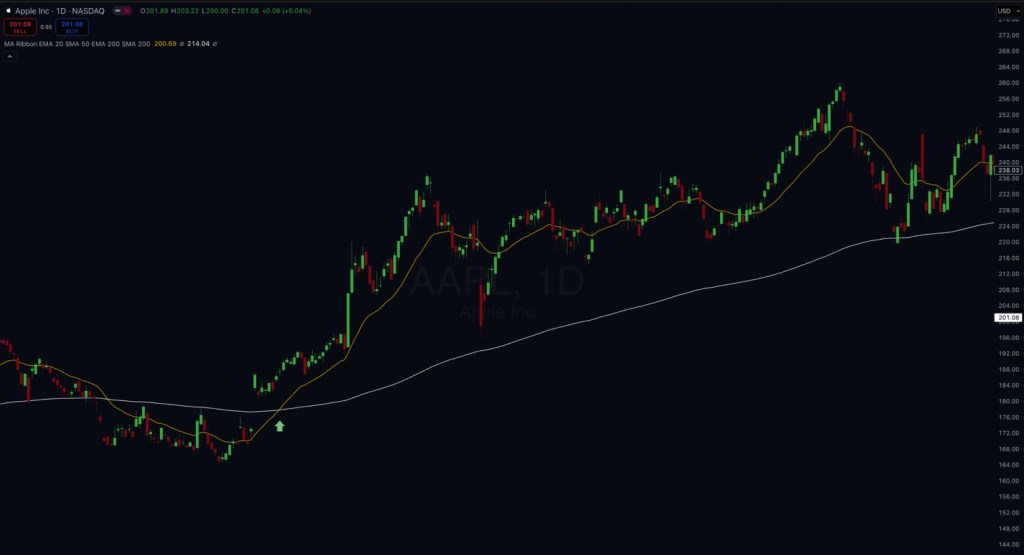
    Short-term trading is often guided by technical analysis, which involves studying historical price patterns, trends, and statistical indicators to predict future movements. CFDs are particularly well-suited for this approach because of the precision they offer in executing trades. Most brokers provide advanced trading platforms with real-time charts, multiple indicators, and automated order types that allow traders to act instantly on market signals.

    The ability to execute trades quickly is critical for short-term strategies, where even minor delays can impact profitability. CFDs allow traders to place stop-loss and take-profit orders, manage positions efficiently, and respond to sudden market events with agility. This level of control is one reason why many traders turn to CFDs when implementing strategies that depend on timing and rapid decision-making.

    The Role of Reliable Brokers in CFD Trading

    While CFDs offer numerous advantages, their effectiveness is closely tied to the choice of broker. A reputable broker ensures fair pricing, transparent execution, and access to reliable trading tools. For traders in regions such as the UAE, selecting a trusted provider can make a significant difference in both experience and outcomes. Engaging with a reliable UAE broker offers access to competitive spreads, robust platforms, and comprehensive support, all of which are essential for executing short-term trading strategies efficiently.

    Brokers also provide educational resources, market insights, and risk management tools that can help traders refine their strategies and maintain discipline. Given the fast-paced nature of short-term trading, having these resources readily available can enhance confidence and improve decision-making.

    Managing Risks in Short-Term CFD Trading

    Despite their benefits, CFDs carry inherent risks, particularly due to leverage and market volatility. Short-term traders must prioritise risk management to protect capital while pursuing gains. Techniques such as setting stop-loss levels, limiting position sizes, and diversifying across multiple instruments are crucial for mitigating losses.

    Psychological discipline is equally important. Short-term trading can be intense, with frequent market fluctuations triggering emotional responses. Successful traders combine analytical strategies with strict adherence to their trading plan, ensuring decisions are based on data rather than impulse. Leveraging tools and guidance from a reliable broker can further support disciplined trading and risk awareness.

    Conclusion

    The rise in popularity of CFDs for short-term trading strategies is no coincidence. Their flexibility, cost efficiency, leveraged potential, and accessibility across diverse markets make them an ideal tool for traders seeking quick, responsive opportunities. 

    By enabling both long and short positions, providing precise execution through advanced platforms, and minimising the logistical challenges of traditional investing, CFDs empower traders to implement strategies with agility and control.

  • How are AI and Open-Source Innovations Reshaping the Unified Threat Management Market in 2025?

    How are AI and Open-Source Innovations Reshaping the Unified Threat Management Market in 2025?

    Imagine waking up to headlines about yet another sophisticated cyberattack exploiting credential theft or phishing—threats that show no signs of slowing down. As cybersecurity demands grow more complex, the unified threat management sector stands at a pivotal crossroads. UTM systems integrate multiple security functions like firewall, intrusion detection, and threat intelligence into a single platform, offering streamlined protection for organizations. 

    According to NextMSC, the global Unified Threat Management (UTM) Market is projected to grow from USD 9.41 billion in 2025 to USD 17.37 billion by 2030, registering a strong CAGR of 12.47% during the forecast period. In 2025, recent announcements from industry leaders are injecting fresh momentum into this space. From open-source breakthroughs to AI-powered agents, these developments promise faster threat response and smarter risk prioritization. 

    But what do they mean for businesses navigating an ever-evolving threat landscape? Let’s dive in, drawing on credible insights to uncover the trends driving the UTM market forward.

    What Open-Source Breakthroughs Are Fueling the Unified Threat Management Market?

    Have you ever wondered if cost-effective, customizable security tools could democratize advanced threat management? Enter UTMStack, an open-source platform launched on December 10, 2025, that merges Security Information and Event Management (SIEM) and Extended Detection and Response (XDR) capabilities into one cohesive system. Unlike traditional proprietary solutions, UTMStack emphasizes real-time correlation of log data, threat intelligence, and malware patterns from diverse sources, enabling organizations to detect and neutralize stealthy, multi-vector attacks before they escalate.

    This platform targets security teams seeking intuitive visibility without the bloat of external dependencies. Key features include log management for centralized data handling, AI-powered Security Operations Center (SOC) analysis for automated insights, and file classification to tag sensitive assets. It also supports compliance standards by generating audit-ready reports. 

    Technically, UTMStack runs on a custom correlation engine that processes data pre-ingestion, slashing analysis time and false alerts. Available for free on GitHub, it undergoes daily code reviews, annual penetration testing, and employs TLS encryption for agent-server communications, ensuring robust security practices.

    What sets UTMStack apart in the UTM market is its focus on rapid remediation—correlating threats across environments in real time, which traditional SIEMs often handle post-ingestion, leading to delays. For mid-sized enterprises, this translates to quicker incident resolution without hefty licensing fees.

    How Is AI Transforming Unified Threat Management at RSAC 2025?

    Picture AI agents autonomously triaging alerts while analysts focus on strategy — a capability Google highlighted at RSAC 2025. The company spotlighted agentic security and UTM enhancements, integrating Gemini AI into its Unified Security platform to deliver real-time threat intelligence and automated malware dissection. This builds on the 16th annual Mandiant M-Trends 2025 report, which analyzed over 450,000 hours of incident data, revealing exploits at 33%, credential theft at 16%, and phishing at 14% as top vectors—with finance sectors hit hardest.

    Google’s updates introduce Composite Detections, linking disparate events to unmask multistage attacks while minimizing false positives. A new Content Hub centralizes dashboards, prebuilt queries, and integrations, streamlining data ingestion for Managed Security Service Providers (MSSPs) and SOC analysts. 

    On the agentic front, tools like the Alert Triage Agent independently probe alerts with transparent reasoning, and the Malware Analysis Agent reverse-engineers files to counter obfuscation—both entering preview in Q2 2025. To accelerate adoption, SecOps Labs offers experimental AI extensions, such as a Natural Language Parser for query simplification and a Response Agent for playbook automation.

    These innovations target evolving risks, including insider threats from nation-state actors and AI-specific vulnerabilities aligned with the MITRE ATLAS framework. By open-sourcing protocols like Model Context Protocol and Agent2Agent, Google promotes cross-vendor collaboration, potentially expanding UTM interoperability.

    To conclude, Google’s RSAC 2025 showcases elevate UTM from reactive to proactive:

    • Agentic AI reduces manual triage effort and helps support near-continuous, automated security operations.
    • Enhanced false positive reduction—via Composite Detections—boosts analyst efficiency by focusing on genuine threats.
    • Open-source elements encourage ecosystem-wide adoption, signaling a collaborative UTM future.

    Can Unified Threat Intelligence Redefine Enterprise Risk in the UTM Landscape?

    In a world of fragmented data feeds, how do you turn global threats into boardroom-ready priorities? Qualys answers with TruLens, introduced on October 17, 2025, as a cornerstone of its Enterprise TruRisk Management (ETM) platform. This unified threat intelligence gateway contextualizes risks with business impact scores, drawing from over 120 analysts in the Qualys Threat Research Unit to validate trending Common Vulnerabilities and Exposures (CVEs).

    TruLens boasts over 99% coverage of the U.S. Cybersecurity and Infrastructure Security Agency (CISA) Known Exploited Vulnerabilities (KEV) catalog, using the Qualys Detection Score (QDS) to flag emerging issues 40 days ahead of KEV listing on average. For instance, 20% of Qualys customers remediate KEV vulnerabilities pre-listing, showcasing proactive gains. Features like Agent Nyra—an AI agent from the Qualys marketplace—monitors adversaries in real time, triggers patching playbooks, and surfaces behaviors tied to groups like Cl0p. As the first Qualys mobile app (on Apple App Store and Google Play), it delivers on-the-go insights into high-risk assets.

    Analytical sections here employ full forms: The platform unifies asset inventories, misconfigurations, and external signals into a single workflow, prioritizing based on financial exposure rather than raw severity. This addresses manual correlation pains, providing executive narratives and regulatory benchmarks for CISOs.

    What Strategic Impacts Are These 2025 Developments Having on the Unified Threat Management Market?

    At Next Move Strategy Consulting, we view these announcements not as isolated news but as catalysts accelerating UTM market maturation. UTMStack’s open-source model challenges proprietary dominance by offering a customizable, cost-efficient alternative that could pressure mid-market vendors relying on high licensing fees. Google’s agentic push, with Q2 2025 previews, underscores AI’s role in scaling SOCs amid talent shortages—signaling accelerated adoption of AI-integrated UTM capabilities across enterprises. Meanwhile, TruLens’s 99% KEV coverage and 40-day advance visibility exemplify intelligence-led risk management that can materially compress remediation cycles and strengthen compliance postures.

    Collectively, these innovations signal a market tilt toward hybrid, AI-augmented UTM ecosystems, where interoperability via open protocols could unify siloed tools, driving overall efficiency. For stakeholders, this means reallocating budgets from point solutions to platforms offering predictive analytics—ultimately fortifying resilience against 2025’s 33% exploit surge.

    DevelopmentKey Market ImpactProjected Adoption Driver
    UTMStack (Open-Source)Cost reduction for SMBsCommunity contributions and free access
    Google Agentic SecurityAutomation of many routine triage and investigation tasksMSSP scalability and false positive cuts
    Qualys TruLens40-day threat foresightBusiness-aligned prioritization

    Next Steps: Actionable Takeaways for UTM Readiness

    Ready to harness these trends? Here are 3-5 practical steps to integrate into your strategy:

    • Audit Your Stack: Evaluate current UTM tools against open-source options like UTMStack—pilot a GitHub fork to test correlation speed.
    • Embrace AI Pilots: Sign up for Google’s SecOps Labs previews in Q2 2025 to experiment with agentic triage, targeting efficiency gains.
    • Prioritize Intelligence: Deploy TruLens-like gateways for KEV mapping; aim to remediate 15% of vulnerabilities pre-exploitation.
    • Foster Interoperability: Adopt open protocols (e.g., Agent2Agent) to blend vendor tools, reducing integration silos.
    • Benchmark Risks: Use business-impact scoring to align security KPIs with C-suite goals, tracking progress quarterly.

    As the Unified Threat Management Market evolves, staying informed positions you ahead of the curve. What UTM innovation excites you most?

    About the Author

    Sneha Chakraborty is a passionate SEO Executive and Content Writer with over 4 years of experience in digital marketing and content strategy. She excels in creating optimized, engaging content that enhances online visibility and audience engagement. Skilled in keyword research, analytics, and SEO tools, Sneha blends creativity with data-driven insights to deliver impactful results. Beyond her professional work, she enjoys reading, sketching, and nature photography, drawing inspiration from creativity and storytelling. The author could be reached out at info@nextmsc.com.

  • Proven Ways to Keep Your CNC Machines Running at Peak Productivity

    Proven Ways to Keep Your CNC Machines Running at Peak Productivity

    Maintaining continuous productivity with CNC machines requires a smart balance of proper care, efficient workflow, and reliable support systems. When machines operate at their best, manufacturers can reduce downtime and improve output without unnecessary strain on resources.

    Consistent productivity also helps teams plan better and meet deadlines more confidently. Many businesses rely on small improvements that add up to significant gains over time. Understanding your equipment and how it behaves throughout the day is a key part of this. With the right strategies, you can turn your CNC setup into a reliable and efficient production asset.

    Prioritize Regular Machine Maintenance

    Routine maintenance is essential for preventing unexpected malfunctions and preserving machine accuracy. Operators should follow a scheduled checklist that includes cleaning, lubricating, and inspecting moving parts. Performing small tasks consistently helps reduce major repairs later on. Keeping the work area free of debris also prevents contaminants from affecting cutting performance.

    It’s also important to monitor spindle health and address issues before they escalate, which often includes partnering with service companies like Atlanta Precision Spindles for cnc spindle repair when needed. A well-maintained machine runs smoother and produces more consistent results. With steady upkeep, operators can work confidently without worrying about sudden interruptions.

    Optimize Tooling and Cutting Parameters

    Using the right tools and settings plays a major role in achieving peak performance. Tool wear should be checked regularly to prevent poor cutting quality or increased stress on the machine. Selecting proper feeds and speeds ensures efficient material removal without placing excessive load on your equipment.

    Testing and adjusting parameters based on the material, tool type, and job requirements leads to better results. Operators benefit from keeping detailed records of what settings work best for recurring tasks. These notes make future setups faster and more reliable. Over time, consistent adjustments help maximize output and extend both tool and machine lifespan.

    Ensure Proper Cooling and Chip Management

    Effective cooling and chip control play a major role in maintaining CNC machine performance. When coolant flow is consistent and properly directed, it helps reduce heat buildup that can damage tools or affect machining accuracy. Regularly checking coolant levels, filters, and delivery lines ensures the system works as intended. Proper chip evacuation prevents debris from interfering with cutting paths or causing unnecessary wear on machine components.

    Shops benefit from using the right chip conveyors, air blasts, or flushing systems based on their material type and production volume. Keeping chips under control also improves surface finish and reduces tool breakage. With strong cooling and chip management practices, CNC machines operate more smoothly and stay productive throughout long shifts.

    Implement Smart Automation Where Possible

    Automation can significantly improve productivity by reducing manual handling and setup times. Systems like a cnc pallet loader help streamline operations by allowing parts to move efficiently through different machining stages. Automated solutions also support longer unattended run times, especially helpful for businesses managing large batches. By integrating automation, operators can focus more on quality control and less on repetitive tasks.

    This setup also reduces human error and boosts overall consistency in production. Even small automated features make workflow smoother and more predictable. When automation is used effectively, shops experience fewer bottlenecks and more consistent daily output.

    Train Operators for Better Equipment Handling

    Operator knowledge is one of the strongest foundations for sustained machine productivity. Skilled operators know how to identify early signs of machine issues, reducing the risk of major breakdowns. Training should cover proper setup procedures, safety practices, and effective machine monitoring.

    A well-trained team also understands how to make minor adjustments on the fly, which keeps production moving smoothly. Continuous education, such as learning new machining strategies or software updates, ensures operators stay flexible and efficient. Encouraging collaboration among team members helps everyone learn from shared experiences. With a confident and knowledgeable staff, CNC operations become more reliable and productive.

    Monitor Machine Performance and Production Data

    Tracking performance metrics provides valuable insights into how well your equipment is operating. Operators should routinely review data such as cycle times, tool life, and error logs. Analyzing this information helps identify trends that may indicate potential problems or opportunities for improvement. Using software tools for monitoring ensures data is accurate and easy to interpret. These insights enable teams to make informed decisions about maintenance schedules, tool changes, and workflow adjustments.

    Over time, consistent monitoring leads to more efficient operations and reduced downtime. With accurate data guiding your decisions, your CNC machines can operate at their highest productivity levels.

    Conclusion

    Keeping CNC machines running at peak productivity is all about consistency, attention to detail, and smart workflow management. By combining regular maintenance, optimized tooling, automation, skilled operators, and data-driven monitoring, manufacturers can significantly reduce downtime and improve overall output. Each of these strategies contributes to a smoother and more reliable production environment. Investing time in proper care today prevents costly delays in the future.

    As your team becomes more familiar with best practices, operations naturally become more efficient and predictable. Whether you’re handling small custom jobs or large-scale production runs, these methods help maintain a steady and dependable workflow. With the right approach, your CNC machines can continue delivering high-quality results day after day.

  • Materials You Must Prepare Before Home Construction Begins

    Materials You Must Prepare Before Home Construction Begins

    Preparing for home construction is one of the most exciting steps in building a space that feels truly your own. From structural elements to finishing touches, the materials you gather early can significantly impact your budget, schedule, and the overall quality of your home. Many homeowners underestimate how much planning is involved, but being proactive makes the entire process smoother.

    Choosing the right materials helps avoid work delays and prevents unnecessary last-minute expenses. Having a well-organized materials list also ensures your contractor can work efficiently from day one. Below, you’ll find the essential materials you should secure in advance, along with helpful insights that make preparation easier and more manageable.

    Foundation and Framing Materials

    Foundation and framing materials are the backbone of your entire home, so it’s important to choose them carefully. Concrete, rebar, and lumber need to be properly sourced to ensure long-term structural stability. Many builders recommend securing these materials early because supply availability can fluctuate throughout the year.

    You’ll also want to discuss with your contractor the specific grade of lumber that best suits your design and climate. Moisture-resistant and high-strength options provide better support over time. By planning your foundation and framing materials ahead of schedule, you can avoid costly delays once construction begins. These early decisions will set the tone for a safe, strong, and reliable home build.

    Roofing Materials

    Roofing materials protect your home from weather and help regulate interior temperature, making them an essential part of early construction planning. Homeowners often choose between asphalt shingles, metal roofing, and tile, depending on style preference and local climate. Securing high-quality roofing materials early ensures your contractor can maintain the build timeline without unexpected interruptions. Different roofing types also vary in lifespan, so it’s helpful to consider long-term durability when narrowing your options.

    You may also want to discuss underlayment and ventilation components to support the roof’s performance. This ensures your home stays structurally sound and energy-efficient for the years ahead. Thoughtful planning for roofing materials will give your home proper protection and a clean, cohesive appearance.

    Siding Materials

    Siding plays an important role in protecting your home from the elements while enhancing its exterior appeal. Homeowners can choose from options like vinyl, fiber cement, engineered wood, or metal depending on durability and style preferences. It’s helpful to coordinate design choices with your contractor early, especially if you want consistent color tones or specific textures. Proper siding installation can also improve energy efficiency by regulating heat transfer.

    Before construction begins, ensure that accessories such as trim, flashing, and insulation wraps are also included in your siding plan. As you review material options with your builder, there are many suppliers like Valley & Aetna Building Products that can provide high-quality siding solutions. They offer a variety of styles and finishes that make it easier to match your home’s design. These options help ensure your exterior is both durable and visually appealing. With the right groundwork, your siding not only strengthens your home’s exterior but also elevates its visual appeal.

    Windows and Opening Systems

    Windows are essential for natural lighting, ventilation, and overall home comfort, making them a crucial material to prepare before construction starts. Different window types offer varying levels of insulation, noise reduction, and energy efficiency. It’s important to check performance ratings to ensure the windows you choose match your local climate needs.

    Homeowners often consider frame materials like vinyl, fiberglass, or wood to balance durability and aesthetics. You should also coordinate window sizes and placements early so your builder can frame openings accurately. For those exploring window options, you may find helpful details when you click here to find out more during your research phase. Preparing your window selections early ensures smoother installation and a brighter, more comfortable living space.

    Plumbing and Electrical Materials

    Plumbing and electrical materials should be planned early because they form the internal systems that keep your home fully functional. These include pipes, fittings, wiring, outlets, and breaker panels that must meet code requirements. Homeowners often rely on professional input to choose materials that align with both performance and safety standards.

    It’s important to have these selections ready so your contractor can complete rough-in work without delays. Discuss water pressure needs, appliance placements, and lighting plans in advance to avoid mid-construction adjustments. Quality materials also reduce the risk of leaks, electrical faults, or future maintenance issues. Taking time to plan these systems ensures your home operates smoothly and efficiently from day one.

    Insulation and Drywall Materials

    Insulation plays a key role in energy efficiency, keeping your home comfortable throughout the year. Foam board, fiberglass, and spray foam are common options, each offering different benefits depending on your climate and budget. Proper insulation supports lower energy bills by keeping indoor temperatures stable. Once insulation is in place, drywall becomes the next essential material to prepare for interior construction.

    Securing drywall panels early helps avoid delays during the finishing stages. You’ll also want to consider moisture-resistant drywall for bathrooms, kitchens, or humid areas of the home. Planning these materials in advance contributes to a comfortable, efficient, and visually polished interior space.

    Flooring and Interior Finish Materials

    Flooring materials shape the look and feel of your home, so selecting them early is helpful in maintaining design consistency. Whether you choose hardwood, laminate, tile, or carpet, each option offers different durability levels and style benefits. Having samples on hand can help you compare colors against walls, fixtures, and lighting.

    Interior finishes like baseboards, molding, and door trims also need to be prepared ahead of time to streamline installation. These finishing details give rooms a complete and refined appearance. It’s also wise to order extra flooring in case repairs or adjustments are needed later. Early preparation ensures your interior finishes come together smoothly and with minimal stress.

    Conclusion

    Preparing the right materials before home construction begins is one of the most effective ways to ensure a smooth, well-organized building process. When you gather essential items early—whether structural components, siding, windows, or interior finishes—you help your contractor work efficiently and prevent avoidable delays. Each material plays a unique role in supporting safety, comfort, and long-term durability, making early planning an investment in your home’s future.

    Taking time to research options, coordinate with professionals, and secure reliable suppliers allows you to approach construction with confidence. This preparation also makes it easier to stick to your budget and maintain your project timeline. With thoughtful decisions and proactive planning, you set the stage for a home that meets your needs and reflects your vision. By getting materials in order early, you pave the way for a construction process that is smoother, more predictable, and ultimately more rewarding.

  • Top Industrial Systems Commonly Automated by CNC Technology

    Top Industrial Systems Commonly Automated by CNC Technology

    Automation has become a central part of modern manufacturing, and CNC technology continues to lead the way. By allowing machines to operate with improved accuracy, consistency, and efficiency, CNC systems enhance productivity across a wide range of industries. Today, automated CNC solutions can be found in machining shops, large-scale production lines, and specialized fabrication facilities.

    This article explores the industrial systems most commonly automated through CNC technology and how they support smoother, safer, and more reliable operations. Below are the systems where CNC automation makes the biggest impact, including the growing use of smart loaders to assist with machine tending and workflow efficiency.

    CNC Machining Centers

    CNC machining centers are one of the most widely automated systems across manufacturing industries. These machines handle tasks such as milling, drilling, and cutting with high precision, supporting both small-scale prototyping and large-volume production. Automation helps operators maintain consistent quality while reducing manual intervention during long production cycles. Advanced machining centers can switch between tools automatically, allowing them to perform multiple operations in a single setup.

    Many CNC machine shops, including imf, rely on automation to streamline complex machining tasks and maintain efficient workflow. CNC-driven machining centers also contribute to improved safety, as operators spend less time interacting directly with cutting tools. With growing demand for accuracy and repeatability, machining centers remain at the heart of automated industrial systems.

    CNC Turning Systems

    CNC turning systems automate the process of shaping materials by rotating the workpiece against a cutting tool. This type of automation enhances the production of cylindrical parts such as shafts, bushings, and threaded components. Automated turning systems can operate for extended periods with minimal supervision, making them ideal for high-volume manufacturing environments. Tool wear can be monitored and compensated automatically, which ensures consistent quality across large production batches. Automated bar feeders and part catchers are often integrated to reduce operator workload and increase throughput.

    CNC turning also supports complex geometries through multi-axis configurations, allowing for more detailed and intricate component designs. Because of its reliability and adaptability, CNC turning remains essential in industries such as automotive, aerospace, and general manufacturing.

    CNC Laser Cutting Systems

    CNC laser cutting systems automate the precise cutting of metals, plastics, and various engineered materials. These systems use focused laser beams controlled by CNC programming to produce clean, accurate cuts with minimal material waste. Automation allows laser cutters to operate continuously and handle both simple and detailed patterns with ease. With adjustable speed, power, and beam intensity, operators can tailor the machine settings to meet different production requirements. Laser automation reduces manual handling and improves safety by keeping operators at a distance from the cutting zone.

    It also minimizes the need for secondary finishing work because laser-cut edges are typically smooth and refined. Industries that rely on intricate panel work, signage, or thin-material fabrication often depend heavily on CNC laser cutting systems.

    CNC Plasma Cutting Systems

    CNC plasma cutting systems automate the process of cutting through electrically conductive materials using a high-temperature plasma arc. These machines are commonly used for thicker metals that require greater cutting power than laser systems can provide. Automation ensures consistent cut quality even across large sheets of steel or aluminum. CNC-guided plasma cutters can follow detailed shapes, patterns, and templates designed through CAD software.

    Their ability to handle high-speed cutting makes them especially useful in industries such as construction, shipbuilding, and heavy equipment manufacturing. Automated plasma systems also help reduce labor costs by limiting the need for manual torch operation. With precise control over movement and arc intensity, CNC plasma cutting continues to enhance metal fabrication workflows.

    CNC Waterjet Cutting Systems

    CNC waterjet cutting systems use high-pressure water streams—sometimes combined with abrasives—to cut through a wide range of materials. Automation makes waterjet cutting ideal for projects requiring cool, distortion-free cuts that do not alter the material’s structure. CNC programming allows these systems to create detailed shapes that would be difficult to achieve with manual cutting tools. Waterjets are widely used in industries working with stone, composites, rubber, and metals.

    Automated waterjet cutters reduce the need for secondary processing because they produce smooth, clean edges. Their ability to maintain precision across large or thick materials makes them a reliable choice for many manufacturers. As automation improves, waterjet systems continue to support efficient, versatile, and accurate production operations.

    Automated Smart Loaders

    Smart loaders are increasingly used to automate the loading and unloading of parts for CNC machines. These systems help reduce downtime by keeping machining centers supplied with workpieces throughout long production cycles. Automated loaders improve workflow efficiency and reduce operator fatigue, especially during repetitive or heavy-load handling tasks. They integrate seamlessly with CNC equipment and often include sensors to ensure safe and accurate part placement.

    Many manufacturers use smart loaders to maintain consistent output, and some systems incorporate technologies from companies such as Koma Precision to support smooth robotic handling. Smart loaders also allow CNC machines to operate for longer hours without constant operator supervision. With automation trends on the rise, smart loaders have become an essential component of modern machining environments.

    Conclusion

    CNC automation continues to reshape the manufacturing landscape by making industrial systems more efficient, consistent, and reliable. From machining centers to smart loaders, each automated component contributes to smoother production and reduced manual workload. These systems not only improve precision but also support safer working conditions by minimizing direct operator interaction with heavy machinery.

    As industries evolve, CNC automation provides the flexibility needed to meet changing demands and production challenges. Manufacturers benefit from better repeatability, faster turnaround times, and improved overall workflow.

    With ongoing advancements in robotics and software integration, CNC technology will remain at the forefront of modern industrial operations. Whether for large-scale production or specialized fabrication, automated CNC systems are essential tools for driving future growth and innovation.

Design a site like this with WordPress.com
Get started