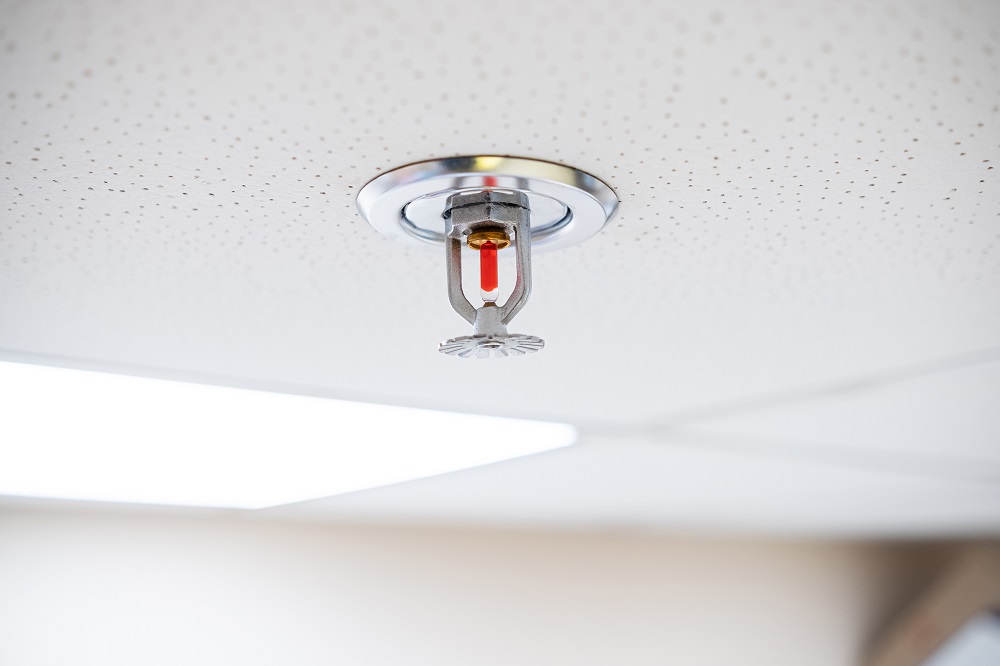
Fire suppression systems are essential safety measures designed to control or extinguish fires before they spread. These systems are used in homes, commercial buildings, and industrial spaces to protect lives and property. Choosing the right system depends on the type of fire hazards present and the environment where the system will be installed.
Understanding the different types of fire suppression systems can help property owners make informed safety decisions. Each system has its unique mechanism and suitability depending on the materials, space, and risks involved. From traditional sprinklers to advanced chemical agents, modern fire suppression systems are more effective than ever. In this article, we will explore the main types of systems and the benefits they provide.
1. Wet Pipe Sprinkler Systems
The most popular kind of fire suppression system is a wet pipe sprinkler. These systems have water-filled pipes that deliver water immediately when a sprinkler head detects heat. They are reliable because water is always present in the system, ready to extinguish fires.
Wet pipe systems are best suited for buildings where freezing temperatures are not a concern. They are cost-effective, simple to maintain, and highly efficient for quick response. The system can quickly control or suppress fires, preventing further damage and giving occupants time to evacuate safely. Overall, wet pipe sprinklers are an excellent choice for offices, schools, and many commercial spaces.
2. Dry Pipe Sprinkler Systems
Similar to wet pipe systems, dry pipe systems use pressurized air rather than water inside the pipes. When a sprinkler is activated by a fire, the air is released first, allowing water to pass through the pipes and put out the flames. These systems are ideal for areas where water-filled pipes might freeze, such as unheated warehouses or attics.
Although slightly slower than wet pipe systems, dry pipe systems prevent costly damage from frozen or burst pipes. Maintenance requires regular checks to ensure the air pressure remains adequate. They are highly effective in controlling fires while avoiding water damage in sensitive areas. Dry pipe systems are commonly used in industrial and storage facilities where freezing is a risk.
3. Pre-Action Sprinkler Systems
Pre-action sprinkler systems combine elements of both wet and dry pipe systems. They require two triggers: a smoke or heat detector must sense a fire before water is released. This design minimizes the risk of accidental water discharge, which can damage valuable equipment or property. Pre-action systems are frequently installed in data centers, museums, and libraries where water-sensitive materials are present. This system provides extra protection because water is only released when a real fire is detected.
Pre-action sprinklers can be connected with other fire detection and suppression devices, offering a layered approach to safety. Understanding how they function helps facility managers make informed decisions when reviewing different types of fire suppression systems for unique environments. This knowledge can prevent costly mistakes and improve overall safety planning.
4. Clean Agent Fire Suppression Systems
Clean agent systems use gases like FM-200 or NOVEC 1230 to suppress fires without leaving residue. These systems are ideal for protecting electronics, artwork, and other sensitive items that could be damaged by water. Clean agents work by removing heat or interrupting the chemical reaction of the fire. They are safe for occupied spaces when used according to manufacturer guidelines.
Installation can be more expensive than traditional sprinklers, but the protection they offer is often worth the investment. Clean agent systems act quickly, limiting fire damage and minimizing downtime in commercial operations. These systems are commonly used in server rooms, laboratories, and archives.
5. Foam Fire Suppression Systems
Foam fire suppression systems are effective for flammable liquid fires, such as gasoline or chemical storage areas. They work by covering the fire with a layer of foam, cutting off oxygen and preventing re-ignition. Foam systems are widely used in industrial facilities, airports, and fuel storage areas.
They provide rapid control over high-risk flammable fire hazards. Proper maintenance ensures that the foam concentrate and delivery equipment remain effective over time. The systems can be tailored to different hazards, making them versatile for specialized fire risks. Foam fire suppression is an essential solution where traditional water systems might not be sufficient.
6. Specialized Fire Suppression Systems
In addition to the systems mentioned, there are other specialized options like wet chemical systems for kitchens and water mist systems for heritage buildings. Wet chemical systems are designed for grease fires in commercial kitchens and react to cool the flames and prevent re-ignition.
Water mist systems use fine water droplets that absorb heat efficiently while reducing water damage compared to traditional sprinklers. These systems are tailored to environments with specific fire hazards or where property preservation is crucial. Each specialized system has unique benefits that make them suitable for different scenarios.
Conclusion
Fire suppression systems play a critical role in protecting people, property, and assets from fire damage. By understanding the different types of fire suppression systems, property owners can choose solutions tailored to their specific risks. Whether it’s a simple wet pipe system for an office or a clean agent system for a data center, each type provides unique advantages.
Modern systems are designed to respond quickly and efficiently while minimizing property damage. Regular maintenance and professional installation are key to ensuring these systems function when needed most. Investing in the right fire suppression system is a proactive step toward safety and peace of mind. Ultimately, knowing your options allows you to implement a system that fits your environment and hazard profile perfectly.

