Tag: business

  • Key Advantages of Enrolling in an Online Tax Preparer Training Course

    Key Advantages of Enrolling in an Online Tax Preparer Training Course

    The demand for qualified tax preparers continues to grow as individuals and businesses seek assistance with increasingly complex tax requirements. If you are exploring a new career path or looking to expand your existing financial knowledge, enrolling in an online tax preparer training course can provide valuable skills and practical experience. Online learning offers flexibility and accessibility while helping students build a strong foundation in tax preparation principles and procedures.

    Below are some of the key advantages of enrolling in an online tax preparer training course. Read on!

    Gaining Industry-Relevant Tax Knowledge

    One of the primary benefits of enrolling in an online tax preparer training course is the opportunity to develop a thorough understanding of tax laws, regulations, compliance requirements, and filing procedures. These courses are designed to introduce students to essential concepts such as tax forms, deductions, credits, filing statuses, and compliance requirements.

    As tax regulations can change from year to year, quality training programs often include updated educational materials that reflect current standards. Learning these fundamentals can help students build confidence when preparing returns and communicating with clients. A solid knowledge base also creates a stronger foundation for future professional growth within the tax and accounting industries.

    Building Flexible Learning Schedules

    Many individuals who pursue tax preparer training are balancing other responsibilities, including full-time jobs or educational goals. An online tax preparer training course offers the flexibility to study from virtually any location and often allows students to complete coursework at their own pace.

    This convenience makes it easier to fit learning into a busy schedule without the need to travel to a physical classroom. Students can review lessons when it is most convenient for them and revisit challenging topics as needed. The ability to learn on a flexible schedule can make professional development more accessible and manageable for a wider range of learners.

    Developing Practical Tax Preparation Skills

    Beyond learning theoretical concepts, many online tax preparer training courses focus on developing practical skills that can be applied in real-world situations. Coursework may include exercises involving tax forms and calculations that simulate actual tax preparation tasks.

    This hands-on approach helps students become more familiar with the processes they may encounter in professional settings. By practicing common tax preparation procedures, learners can improve their accuracy, attention to detail, problem-solving abilities, and confidence in handling client tax situations. These practical skills can be valuable when assisting clients with tax-related matters or pursuing employment opportunities in the field.

    Expanding Career Advancement Opportunities

    Completing an online tax preparer training course can open doors to a variety of career opportunities. Tax preparation skills are useful in many professional environments, including tax preparation firms, accounting offices, financial service organizations, and self-employed practices.

    For individuals already working in bookkeeping or accounting support, additional tax training may help strengthen their qualifications and broaden their service offerings. The knowledge gained through a training program can also support long-term career development by providing specialized expertise that employers and clients often value.

    Preparing for Long-Term Professional Growth

    The tax industry offers ongoing opportunities for learning and development. Enrolling in an online tax preparer training course can serve as an important first step toward building a long-term career in tax preparation and related financial services.

    The knowledge and skills acquired through training can provide a foundation for pursuing additional certifications, specialized education, or advanced responsibilities in the future. As tax laws continue to evolve, having a strong educational background can help professionals adapt to changes and remain effective in serving their clients.

    An online tax preparer training course offers numerous benefits, from gaining essential tax knowledge and practical skills to enjoying flexible learning options and expanding career opportunities. By investing in professional training, aspiring tax preparers can build confidence, strengthen their qualifications, expand their practical skills, and prepare for continued growth in a field that remains important to individuals and businesses alike. With the convenience of online education, developing valuable tax preparation expertise has become more accessible than ever.


  • Why Commercial Vehicle Insurance Is Essential for Every Business Owner

    Why Commercial Vehicle Insurance Is Essential for Every Business Owner

    Running a business that relies on vehicles comes with both opportunities and risks. Whether you use service trucks, delivery vans, or a fleet of company cars, your vehicles are essential assets that keep operations moving. However, they are also exposed to accidents, theft, and unexpected damages. This is where commercial vehicle insurance becomes helpful and necessary. It provides financial protection, legal compliance, and long-term stability for businesses of all sizes.

    Protecting Business Assets From Financial Loss

    Commercial vehicles represent a significant investment for any business owner. Without insurance, any damage or total loss caused by accidents, fire, or natural disasters can lead to substantial out-of-pocket expenses. Commercial vehicle insurance helps absorb these financial shocks by covering repair or replacement costs.

    Beyond the vehicles themselves, many businesses also rely on tools, goods, or equipment transported within them. Insurance can extend protection to these items as well, ensuring that a single incident does not disrupt the entire supply chain or service delivery process.

    Covering Liability Risks and Legal Expenses

    Accidents involving business vehicles can result in third-party injuries, property damage, or even legal disputes. In such cases, liability costs can quickly escalate and place a heavy burden on a business’s finances. Commercial vehicle insurance, like those offered at Sierra Oak Insurance Services Inc, helps cover these liabilities, including medical expenses, repair costs for third-party property, and legal fees if claims are filed.

    For business owners, this coverage is crucial in maintaining legal and financial stability. It ensures that a single unfortunate event does not lead to lawsuits or debts that could threaten the future of the company.

    Supporting Business Continuity During Disruptions

    When a commercial vehicle is damaged or taken off the road, it can directly impact daily operations. Deliveries may be delayed, services interrupted, and customer satisfaction affected. Commercial vehicle insurance often includes options such as replacement vehicle coverage or downtime compensation, helping businesses continue operating even during unexpected disruptions.

    This type of support is especially valuable for small and medium-sized enterprises that may not have spare vehicles or extra financial resources to manage downtime. Insurance helps minimize operational interruptions and keeps the business running smoothly.

    Enhancing Employee Safety and Confidence

    Employees who drive company vehicles face risks every time they are on the road. Knowing that they are covered by a comprehensive insurance policy can improve their sense of security and confidence. In some cases, insurance policies also include personal accident coverage for drivers, offering financial protection in the event of injury.

    This added layer of safety can improve employee morale and reduce stress, allowing drivers to focus more on safe driving practices. For employers, it also demonstrates a commitment to worker well-being, which can support retention and productivity.

    Meeting Legal Requirements and Industry Standards

    In many regions, commercial vehicle insurance is not optional but a legal requirement. Businesses that operate without proper coverage may face fines, penalties, or even suspension of operations. Compliance with insurance regulations ensures that a business is operating within the law and meeting industry standards.

    Beyond legal obligations, having proper insurance can also improve a company’s reputation. Clients, partners, and stakeholders are more likely to trust businesses that demonstrate responsibility and risk management through adequate insurance coverage.

    Commercial vehicle insurance plays a vital role in protecting the backbone of many businesses: their vehicles and the operations that depend on them. From covering unexpected repair costs and liability claims to ensuring day-to-day continuity and legal compliance, it offers a safety net that no business owner should overlook. Without it, even a minor incident on the road can quickly turn into a major financial setback.

    Ultimately, having the right coverage is about more than meeting requirements; it’s about building a resilient, responsible, and prepared business. By investing in commercial vehicle insurance, business owners can focus more on growth and service delivery, knowing their operations are safeguarded against the uncertainties of the road.

  • 5 Visual Touchpoints Every Retail Store Should Be Optimizing Right Now

    5 Visual Touchpoints Every Retail Store Should Be Optimizing Right Now

    Retail is no longer just about selling products—it’s about creating an experience. Shoppers today expect stores to be visually engaging, easy to navigate, and consistent with the brand’s identity. Every detail matters, from the moment they see the storefront to the time they check out. That’s why optimizing visual touchpoints is essential.

    Let’s explore five visual touchpoints that deserve immediate attention in a retail store.

    Storefront Displays That Capture Attention

    Your storefront is the handshake between your brand and potential customers. It’s the first thing people see, and it often determines whether they step inside or keep walking. A strong storefront display should be bold, creative, and relevant to the season or current promotions. Think of it as storytelling through visuals—using color, texture, and arrangement to communicate what your store is all about.

    Retailers should refresh displays regularly to avoid looking stale. A holiday-themed window, a spotlight on new arrivals, or a creative arrangement of bestsellers can spark curiosity. Lighting also plays a role here; highlighting focal points ensures that passersby notice the products you want to feature. When done well, storefront displays don’t just attract attention—they create anticipation for what’s inside.

    Beyond aesthetics, storefronts also serve as a branding tool. They communicate values, style, and uniqueness. A minimalist fashion boutique might use clean lines and neutral tones, while a toy store could embrace bright colors and playful props. The goal is to make the storefront a reflection of the brand identity, ensuring consistency between what customers see outside and what they experience inside.

    Digital and Print Signage That Guides and Informs

    Once customers enter, signage becomes their compass. Both digital and print signage are essential tools for communication. Digital signage offers flexibility, allowing retailers to update promotions instantly, showcase interactive content, or even display social media feeds. Print signage, on the other hand, provides consistency and permanence, reinforcing brand identity across the store.

    Together, digital and print signage create a balanced environment. They help customers find what they need, understand promotions, and feel confident about their choices. Placement is key—signs should be visible without being overwhelming. Clear fonts, concise messaging, and strong visuals make signage effective. When customers can easily navigate and understand what’s on offer, they’re more likely to stay longer and spend more.

    Signage also plays a role in storytelling. A well-placed sign can highlight sustainability initiatives, explain product features, or promote loyalty programs. This adds depth to the shopping experience, making customers feel informed and connected. Retailers should treat signage as part of the brand voice, ensuring that every message aligns with the store’s personality and values.

    Shelf Labels That Simplify Choices

    The shelf is where many purchase decisions happen, and labels are the silent salespeople guiding those choices. Clear, accurate, and visually appealing labels help customers compare products quickly. They provide essential information such as price, product details, and promotions.

    Advances in label technology have transformed this touchpoint. In-store printers allow retailers to update information instantly, reducing errors and ensuring accuracy. This is especially important in fast-moving categories like groceries, where prices and promotions change frequently. Well-designed labels also highlight value, making it easier for customers to spot deals and feel confident in their purchase.

    Labels can also enhance the customer experience by offering more than just numbers. QR codes, nutritional highlights, or eco-friendly certifications can be integrated into shelf labels, giving customers quick access to deeper information. This not only builds trust but also empowers shoppers to make informed decisions. By investing in modern labeling solutions, retailers streamline operations while creating a more transparent and engaging shopping environment.

    Strategic Lighting That Shapes Mood and Focus

    Lighting is often overlooked, yet it has a powerful impact on how customers perceive a store. It influences mood, highlights products, and even affects how long people stay. Bright, focused lighting draws attention to featured items, while softer tones create a welcoming atmosphere.

    Retailers should think strategically about layering different types of lighting. Ambient lighting sets the overall tone, accent lighting highlights specific products, and task lighting ensures functionality in areas like fitting rooms or checkout counters. The goal is to guide the shopper’s eye naturally, making the store feel inviting and easy to explore.

    Lighting also reinforces brand identity. A luxury retailer might use warm, subtle lighting to create an intimate feel, while a tech store could embrace bright, clean lighting to emphasize innovation. The right lighting strategy makes products look more appealing, encourages longer browsing, and increases sales opportunities. It’s not just about visibility—it’s about shaping the emotional connection customers have with the store.

    In-Store Layouts That Encourage Flow

    The layout of a store is more than just a physical arrangement—it’s a visual journey. A cluttered or confusing layout can frustrate customers, while a clear and intuitive design encourages exploration. Retailers should consider how shoppers move through the space and place high-demand items strategically to balance traffic.

    Visual cues such as floor graphics, directional signage, or strategically placed displays can guide customers smoothly from one section to another. Checkout areas should be easy to find, and impulse-buy items should be positioned where they naturally catch attention. A well-optimized layout not only improves the shopping experience but also maximizes exposure to products, increasing the likelihood of additional purchases.

    Layout optimization also supports storytelling. Grouping products by theme or lifestyle creates a narrative that resonates with customers. For example, a sports retailer might design a section that combines footwear, apparel, and accessories for runners, making it easier for shoppers to envision a complete purchase. When customers feel comfortable navigating the store, they’re more likely to return and recommend the experience to others.

    Conclusion

    Retailers today face intense competition, and optimizing visual touchpoints is one of the most effective ways to stand out. Storefront displays attract attention, digital and print signage guide and inform, shelf labels simplify choices with modern label technology, lighting shapes mood, and layouts encourage flow.

    Together, these elements create a shopping experience that feels effortless, engaging, and rewarding. By investing in these areas, retailers can build stronger connections with customers and ensure that every visit leaves a lasting impression.

  • 7 Upgrades That Make Your Commercial Space Look More Established

    7 Upgrades That Make Your Commercial Space Look More Established

    A well-designed commercial space does more than impress visitors—it builds trust, communicates professionalism, and strengthens your brand identity. Whether you’re running a retail store, office, or showroom, the right upgrades can transform your environment into one that feels established and credible.

    Here are seven impactful improvements that can elevate your space and leave a lasting impression.

    Invest in Professional Interior Design Services

    The foundation of an established commercial space lies in its design. Interior design services offered by professionals, like Interiors By Steven G, can help you create a cohesive look that reflects your brand’s values and vision. Instead of piecing together furniture and décor on your own, a designer ensures that every element—from layout to lighting—works together seamlessly.

    This not only enhances aesthetics but also improves functionality, making your space more welcoming for clients and efficient for employees. A thoughtfully designed interior signals that your business is serious, organized, and invested in quality. Over time, this investment pays off by creating a space that feels timeless rather than trendy, ensuring your business maintains a strong presence.

    Upgrade to High-Quality Flooring

    Flooring is often overlooked, yet it sets the tone for the entire space. Worn-out carpets or outdated tiles can make a business look neglected, while polished hardwood, luxury vinyl, or modern stone flooring conveys sophistication. Durable, high-quality flooring also reduces maintenance costs and withstands heavy foot traffic, which is essential in commercial settings.

    By upgrading your floors, you create a cleaner, more professional environment that immediately elevates your brand image. Clients notice these details, and when they see a well-maintained floor, they associate it with stability and care. It’s a subtle but powerful way to communicate that your business is built to last.

    Enhance Lighting for Ambiance and Functionality

    Lighting plays a critical role in how people perceive your business. Harsh fluorescent lights can feel cold and uninviting, while layered lighting—combining ambient, task, and accent fixtures—creates warmth and depth. Modern LED solutions not only save energy but also allow for customizable brightness and color tones.

    Thoughtful lighting design highlights key areas, improves employee productivity, and makes customers feel comfortable. A well-lit space communicates attention to detail and professionalism. When visitors walk into a space with balanced lighting, they immediately sense that the environment is cared for, which reinforces confidence in your brand.

    Incorporate Branded Signage and Visual Identity

    Signage is more than just a nameplate—it’s a statement of credibility. High-quality, custom signage reinforces your brand identity and makes your business instantly recognizable. Whether it’s a sleek lobby sign, window graphics, or directional signage, consistency in design builds trust and familiarity.

    Established businesses invest in signage that reflects their brand’s personality, ensuring that every visitor experiences a strong and memorable first impression. Beyond aesthetics, signage also improves navigation and customer experience, which shows that your business values clarity and professionalism.

    Display Art and Install Pictures Professionally

    Art and photography add character to a commercial space, but how they’re displayed matters just as much as the pieces themselves. Professional business picture hanging services ensure that artwork is aligned, balanced, and securely installed. This attention to detail prevents a cluttered or amateur look and instead creates a polished environment.

    Well-chosen art can inspire creativity, spark conversation, and reinforce your brand’s values. When displayed with precision, it signals that your business values quality and presentation. A gallery-like approach to art installation elevates your space, making it feel curated and intentional rather than improvised.

    Modernize Furniture and Layout

    Outdated or mismatched furniture can make a space feel temporary or unprofessional. Investing in modern, ergonomic furniture not only improves comfort but also communicates that your business is forward-thinking. A strategic layout enhances flow, maximizes space, and ensures that both employees and clients feel at ease.

    Sleek conference tables, comfortable seating, and functional workstations all contribute to a professional atmosphere that reflects stability and success. When people see a well-organized office or showroom, they associate it with efficiency and reliability, which strengthens your reputation.

    Integrate Smart Technology and Amenities

    Technology upgrades are essential for businesses that want to appear established and future-ready. Smart systems for climate control, security, and audiovisual presentations demonstrate efficiency and innovation. Amenities such as charging stations, interactive displays, or digital directories enhance convenience for visitors and employees alike.

    These upgrades show that your business is not only keeping up with modern standards but also prioritizing user experience. A space equipped with smart technology feels progressive and trustworthy, signaling that your company is prepared for growth and longevity.

    Conclusion

    Creating an established look for your commercial space requires more than surface-level changes—it’s about thoughtful upgrades that reflect professionalism, stability, and brand identity.

    From professional interior design services to polished flooring, strategic lighting, and precise picture hanging, each improvement builds credibility and trust. By investing in these upgrades, you transform your space into one that not only impresses but also communicates that your business is here to stay.

  • 5 Details That Make Your Office Look More Established

    5 Details That Make Your Office Look More Established

    A well-designed office does more than provide a place to work. It communicates credibility, professionalism, and stability to clients, partners, and employees. For growing companies and established corporations alike, the right details can transform a workspace into a powerful representation of success.

    Here are five specific elements that make an office look more established and trustworthy.

    Professional Reception Area Design

    The reception area is the first impression visitors have of your company. A professional design with comfortable seating, clean lines, and branded elements immediately signals that your business is organized and dependable. Even small touches, such as a polished front desk or a branded wall display, can elevate the space.

    Lighting also plays a critical role. Bright yet warm lighting creates a welcoming atmosphere, while poor lighting can make even the most expensive furniture look uninviting. A reception area that feels intentional and professional reassures clients that they are dealing with a company that values quality and attention to detail.

    High-Quality Office Furniture

    Furniture is more than functional—it reflects the standards of your business. High-quality desks, ergonomic chairs, and well-crafted conference tables show that your company invests in its people and its environment. Cheap or mismatched furniture can give the impression of instability, while durable and stylish pieces communicate longevity.

    For corporate offices, consistency in design across workstations and meeting rooms reinforces a sense of order and professionalism. When employees and visitors see a workspace furnished with care, they associate that care with the company’s overall operations.

    Strategic Picture Hanging and Framing

    Artwork and framed certificates are subtle but powerful indicators of credibility. A wall filled with thoughtfully chosen pieces conveys culture, values, and achievements. The way these items are displayed matters just as much as the content itself. Professional framing and precise alignment show attention to detail, while sloppy placement can undermine the impression of success.

    Many companies invest in business picture hanging services to ensure that artwork, awards, and branded visuals are positioned perfectly. This not only enhances aesthetics but also communicates that the company takes pride in its accomplishments. A gallery wall of certifications or industry awards can reassure clients that they are working with a trusted and established partner.

    Organized Technology and Conference Spaces

    Technology is at the heart of modern business, and how it is presented in the office speaks volumes. A conference room with neatly integrated screens, hidden cables, and reliable equipment shows that the company is prepared for professional collaboration. On the other hand, cluttered wires and outdated devices can make even a successful business appear disorganized.

    Established offices often invest in built-in technology solutions that blend seamlessly with the design of the room. This creates an environment where meetings run smoothly and visitors feel confident in the company’s ability to handle complex projects. Organized technology is not just functional—it is a visual statement of competence.

    Consistent Branding Throughout the Space

    Branding is more than a logo on the wall. Established offices weave their identity into the entire workspace. This can include branded colors in furniture and décor, company values displayed in hallways, or subtle design elements that reflect the organization’s mission. Consistency is key. When branding is integrated thoughtfully, it reinforces the company’s identity and makes the office feel cohesive.

    Visitors notice when every detail aligns with the brand message, and employees feel a stronger connection to the company’s culture. A branded environment communicates stability and professionalism, making the office look more established in every sense.

    Conclusion

    An established office is built on details that communicate professionalism and credibility. From the reception area to the conference room, every element plays a role in shaping perception. High-quality furniture, strategic picture hanging, organized technology, and consistent branding all contribute to an environment that inspires confidence.

    For growing companies and established corporations, investing in these details is more than aesthetic—it is a strategic move that strengthens reputation and trust.

  • Proven Ways to Keep Your CNC Machines Running at Peak Productivity

    Proven Ways to Keep Your CNC Machines Running at Peak Productivity

    Maintaining continuous productivity with CNC machines requires a smart balance of proper care, efficient workflow, and reliable support systems. When machines operate at their best, manufacturers can reduce downtime and improve output without unnecessary strain on resources.

    Consistent productivity also helps teams plan better and meet deadlines more confidently. Many businesses rely on small improvements that add up to significant gains over time. Understanding your equipment and how it behaves throughout the day is a key part of this. With the right strategies, you can turn your CNC setup into a reliable and efficient production asset.

    Prioritize Regular Machine Maintenance

    Routine maintenance is essential for preventing unexpected malfunctions and preserving machine accuracy. Operators should follow a scheduled checklist that includes cleaning, lubricating, and inspecting moving parts. Performing small tasks consistently helps reduce major repairs later on. Keeping the work area free of debris also prevents contaminants from affecting cutting performance.

    It’s also important to monitor spindle health and address issues before they escalate, which often includes partnering with service companies like Atlanta Precision Spindles for cnc spindle repair when needed. A well-maintained machine runs smoother and produces more consistent results. With steady upkeep, operators can work confidently without worrying about sudden interruptions.

    Optimize Tooling and Cutting Parameters

    Using the right tools and settings plays a major role in achieving peak performance. Tool wear should be checked regularly to prevent poor cutting quality or increased stress on the machine. Selecting proper feeds and speeds ensures efficient material removal without placing excessive load on your equipment.

    Testing and adjusting parameters based on the material, tool type, and job requirements leads to better results. Operators benefit from keeping detailed records of what settings work best for recurring tasks. These notes make future setups faster and more reliable. Over time, consistent adjustments help maximize output and extend both tool and machine lifespan.

    Ensure Proper Cooling and Chip Management

    Effective cooling and chip control play a major role in maintaining CNC machine performance. When coolant flow is consistent and properly directed, it helps reduce heat buildup that can damage tools or affect machining accuracy. Regularly checking coolant levels, filters, and delivery lines ensures the system works as intended. Proper chip evacuation prevents debris from interfering with cutting paths or causing unnecessary wear on machine components.

    Shops benefit from using the right chip conveyors, air blasts, or flushing systems based on their material type and production volume. Keeping chips under control also improves surface finish and reduces tool breakage. With strong cooling and chip management practices, CNC machines operate more smoothly and stay productive throughout long shifts.

    Implement Smart Automation Where Possible

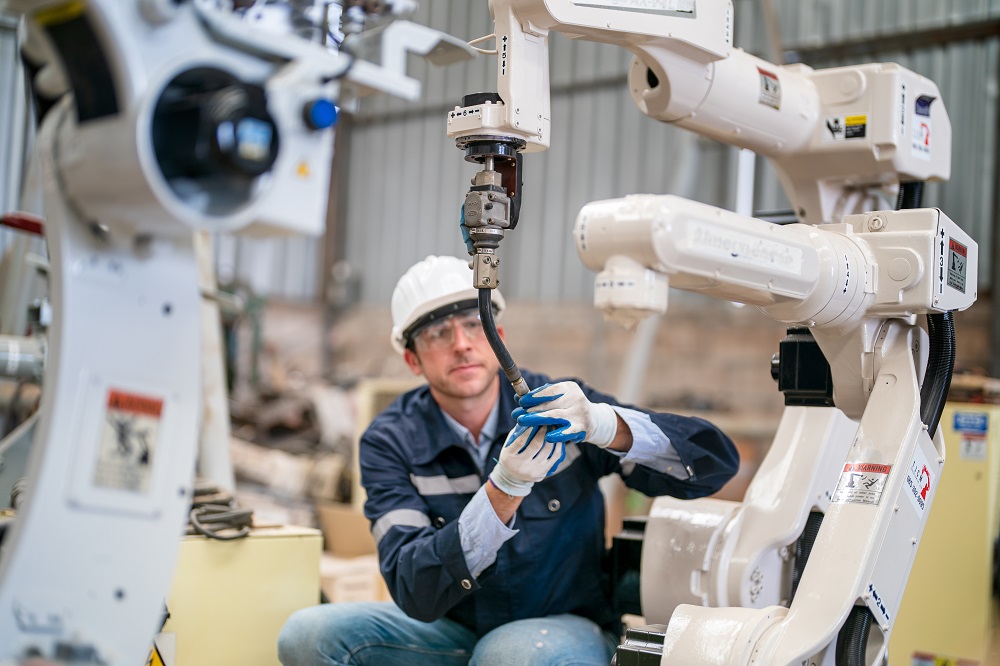
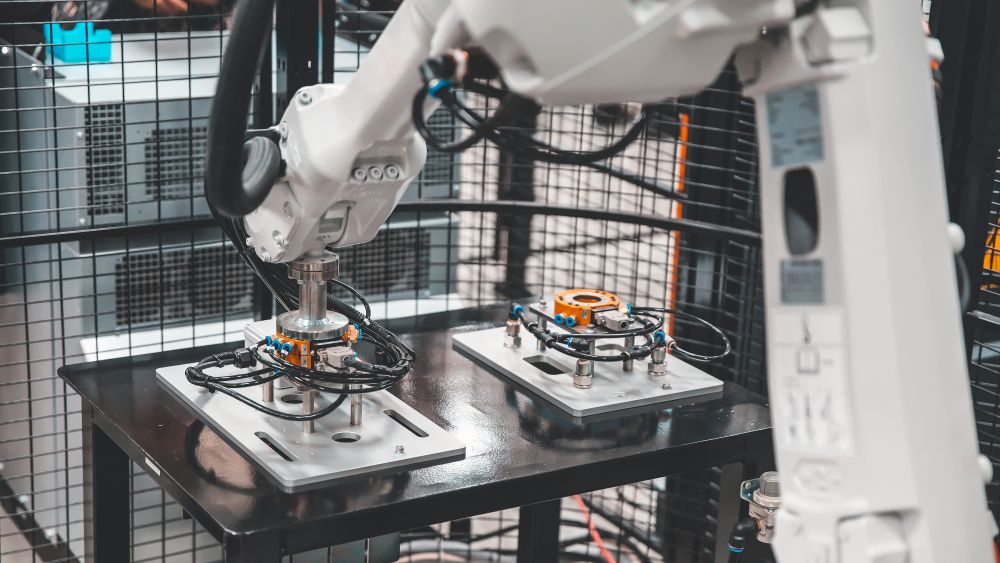
    Automation can significantly improve productivity by reducing manual handling and setup times. Systems like a cnc pallet loader help streamline operations by allowing parts to move efficiently through different machining stages. Automated solutions also support longer unattended run times, especially helpful for businesses managing large batches. By integrating automation, operators can focus more on quality control and less on repetitive tasks.

    This setup also reduces human error and boosts overall consistency in production. Even small automated features make workflow smoother and more predictable. When automation is used effectively, shops experience fewer bottlenecks and more consistent daily output.

    Train Operators for Better Equipment Handling

    Operator knowledge is one of the strongest foundations for sustained machine productivity. Skilled operators know how to identify early signs of machine issues, reducing the risk of major breakdowns. Training should cover proper setup procedures, safety practices, and effective machine monitoring.

    A well-trained team also understands how to make minor adjustments on the fly, which keeps production moving smoothly. Continuous education, such as learning new machining strategies or software updates, ensures operators stay flexible and efficient. Encouraging collaboration among team members helps everyone learn from shared experiences. With a confident and knowledgeable staff, CNC operations become more reliable and productive.

    Monitor Machine Performance and Production Data

    Tracking performance metrics provides valuable insights into how well your equipment is operating. Operators should routinely review data such as cycle times, tool life, and error logs. Analyzing this information helps identify trends that may indicate potential problems or opportunities for improvement. Using software tools for monitoring ensures data is accurate and easy to interpret. These insights enable teams to make informed decisions about maintenance schedules, tool changes, and workflow adjustments.

    Over time, consistent monitoring leads to more efficient operations and reduced downtime. With accurate data guiding your decisions, your CNC machines can operate at their highest productivity levels.

    Conclusion

    Keeping CNC machines running at peak productivity is all about consistency, attention to detail, and smart workflow management. By combining regular maintenance, optimized tooling, automation, skilled operators, and data-driven monitoring, manufacturers can significantly reduce downtime and improve overall output. Each of these strategies contributes to a smoother and more reliable production environment. Investing time in proper care today prevents costly delays in the future.

    As your team becomes more familiar with best practices, operations naturally become more efficient and predictable. Whether you’re handling small custom jobs or large-scale production runs, these methods help maintain a steady and dependable workflow. With the right approach, your CNC machines can continue delivering high-quality results day after day.

  • Top Industrial Systems Commonly Automated by CNC Technology

    Top Industrial Systems Commonly Automated by CNC Technology

    Automation has become a central part of modern manufacturing, and CNC technology continues to lead the way. By allowing machines to operate with improved accuracy, consistency, and efficiency, CNC systems enhance productivity across a wide range of industries. Today, automated CNC solutions can be found in machining shops, large-scale production lines, and specialized fabrication facilities.

    This article explores the industrial systems most commonly automated through CNC technology and how they support smoother, safer, and more reliable operations. Below are the systems where CNC automation makes the biggest impact, including the growing use of smart loaders to assist with machine tending and workflow efficiency.

    CNC Machining Centers

    CNC machining centers are one of the most widely automated systems across manufacturing industries. These machines handle tasks such as milling, drilling, and cutting with high precision, supporting both small-scale prototyping and large-volume production. Automation helps operators maintain consistent quality while reducing manual intervention during long production cycles. Advanced machining centers can switch between tools automatically, allowing them to perform multiple operations in a single setup.

    Many CNC machine shops, including imf, rely on automation to streamline complex machining tasks and maintain efficient workflow. CNC-driven machining centers also contribute to improved safety, as operators spend less time interacting directly with cutting tools. With growing demand for accuracy and repeatability, machining centers remain at the heart of automated industrial systems.

    CNC Turning Systems

    CNC turning systems automate the process of shaping materials by rotating the workpiece against a cutting tool. This type of automation enhances the production of cylindrical parts such as shafts, bushings, and threaded components. Automated turning systems can operate for extended periods with minimal supervision, making them ideal for high-volume manufacturing environments. Tool wear can be monitored and compensated automatically, which ensures consistent quality across large production batches. Automated bar feeders and part catchers are often integrated to reduce operator workload and increase throughput.

    CNC turning also supports complex geometries through multi-axis configurations, allowing for more detailed and intricate component designs. Because of its reliability and adaptability, CNC turning remains essential in industries such as automotive, aerospace, and general manufacturing.

    CNC Laser Cutting Systems

    CNC laser cutting systems automate the precise cutting of metals, plastics, and various engineered materials. These systems use focused laser beams controlled by CNC programming to produce clean, accurate cuts with minimal material waste. Automation allows laser cutters to operate continuously and handle both simple and detailed patterns with ease. With adjustable speed, power, and beam intensity, operators can tailor the machine settings to meet different production requirements. Laser automation reduces manual handling and improves safety by keeping operators at a distance from the cutting zone.

    It also minimizes the need for secondary finishing work because laser-cut edges are typically smooth and refined. Industries that rely on intricate panel work, signage, or thin-material fabrication often depend heavily on CNC laser cutting systems.

    CNC Plasma Cutting Systems

    CNC plasma cutting systems automate the process of cutting through electrically conductive materials using a high-temperature plasma arc. These machines are commonly used for thicker metals that require greater cutting power than laser systems can provide. Automation ensures consistent cut quality even across large sheets of steel or aluminum. CNC-guided plasma cutters can follow detailed shapes, patterns, and templates designed through CAD software.

    Their ability to handle high-speed cutting makes them especially useful in industries such as construction, shipbuilding, and heavy equipment manufacturing. Automated plasma systems also help reduce labor costs by limiting the need for manual torch operation. With precise control over movement and arc intensity, CNC plasma cutting continues to enhance metal fabrication workflows.

    CNC Waterjet Cutting Systems

    CNC waterjet cutting systems use high-pressure water streams—sometimes combined with abrasives—to cut through a wide range of materials. Automation makes waterjet cutting ideal for projects requiring cool, distortion-free cuts that do not alter the material’s structure. CNC programming allows these systems to create detailed shapes that would be difficult to achieve with manual cutting tools. Waterjets are widely used in industries working with stone, composites, rubber, and metals.

    Automated waterjet cutters reduce the need for secondary processing because they produce smooth, clean edges. Their ability to maintain precision across large or thick materials makes them a reliable choice for many manufacturers. As automation improves, waterjet systems continue to support efficient, versatile, and accurate production operations.

    Automated Smart Loaders

    Smart loaders are increasingly used to automate the loading and unloading of parts for CNC machines. These systems help reduce downtime by keeping machining centers supplied with workpieces throughout long production cycles. Automated loaders improve workflow efficiency and reduce operator fatigue, especially during repetitive or heavy-load handling tasks. They integrate seamlessly with CNC equipment and often include sensors to ensure safe and accurate part placement.

    Many manufacturers use smart loaders to maintain consistent output, and some systems incorporate technologies from companies such as Koma Precision to support smooth robotic handling. Smart loaders also allow CNC machines to operate for longer hours without constant operator supervision. With automation trends on the rise, smart loaders have become an essential component of modern machining environments.

    Conclusion

    CNC automation continues to reshape the manufacturing landscape by making industrial systems more efficient, consistent, and reliable. From machining centers to smart loaders, each automated component contributes to smoother production and reduced manual workload. These systems not only improve precision but also support safer working conditions by minimizing direct operator interaction with heavy machinery.

    As industries evolve, CNC automation provides the flexibility needed to meet changing demands and production challenges. Manufacturers benefit from better repeatability, faster turnaround times, and improved overall workflow.

    With ongoing advancements in robotics and software integration, CNC technology will remain at the forefront of modern industrial operations. Whether for large-scale production or specialized fabrication, automated CNC systems are essential tools for driving future growth and innovation.

  • 5 Smart Tactics for Optimizing Your Online Advertising Budget

    5 Smart Tactics for Optimizing Your Online Advertising Budget

    Online advertising is one of the most powerful tools for growth. Yet many businesses struggle to balance costs with results. The key is not just spending more, but spending smarter. With the right strategies, you can stretch your budget further, reach the right audience, and maximize ROI.

    Here are five proven tactics that marketing leaders and entrepreneurs can use to optimize their online advertising investments.

    Focus on Audience Segmentation for Precision Targeting

    One of the most effective ways to optimize your advertising budget is to refine your audience segmentation. Instead of casting a wide net, focus on identifying specific groups that are most likely to convert. This means analyzing demographics, interests, behaviors, and purchase intent. By narrowing your targeting, you reduce wasted impressions and ensure that your ads reach people who are genuinely interested in your product or service.

    Precision targeting also allows you to tailor your messaging. A campaign that speaks directly to the needs of a segmented audience will always outperform generic ads. For example, a business offering luxury services can create distinct campaigns for high-income professionals versus younger aspirational buyers. Each group responds differently, and segmentation ensures your budget is used efficiently. Over time, this approach builds stronger brand connections and increases conversion rates without inflating costs.

    Leverage Advanced Marketing Analytics for Smarter Decisions

    Data-driven decision-making is essential for budget optimization. Advanced marketing analytics services provide deeper insights into campaign performance, customer behavior, and ROI. These tools go beyond basic metrics like clicks and impressions. They help you understand which channels deliver the highest value, which audiences are most profitable, and which creative assets drive engagement.

    By using advanced analytics, you can identify patterns that are not immediately visible. For instance, you may discover that certain keywords generate traffic but fail to convert, while others deliver fewer clicks but higher sales. With this knowledge, you can reallocate your budget to the most effective areas. Analytics also help you test and refine campaigns in real time, ensuring that every dollar spent contributes to measurable growth. Businesses that embrace analytics gain a competitive edge because they can adapt quickly and make smarter investments.

    Optimize Bidding Strategies With Commercial CPC Campaign Management Services

    Cost-per-click (CPC) campaigns remain a cornerstone of online advertising. However, managing them effectively requires more than setting a budget and letting the platform run. Commercial CPC campaign management services from professionals, like Afinida Marketing, provide structured strategies to maximize efficiency. These services help businesses adjust bids dynamically, target high-value keywords, and avoid overspending on low-performing placements.

    Smart bidding strategies ensure that you pay the right price for the right click. For example, automated bid adjustments can prioritize ads during peak hours when your audience is most active. They can also lower bids for less competitive times, keeping costs under control. By leveraging professional CPC management, you gain access to expertise and tools that fine-tune campaigns for profitability. This approach prevents budget drain and ensures that your investment produces consistent returns.

    Invest in Creative Testing and Continuous Optimization

    Creative assets play a critical role in campaign success. Even the best targeting and bidding strategies will fail if your ads do not resonate with the audience. That is why creative testing is essential. By experimenting with different headlines, visuals, and calls-to-action, you can identify which combinations deliver the strongest results. Continuous optimization ensures that your ads remain fresh and relevant, preventing audience fatigue.

    Testing also helps you uncover subtle differences in performance. A small change in wording or design can significantly impact click-through rates and conversions. Over time, these incremental improvements compound, leading to substantial gains in ROI. Businesses that commit to ongoing creative optimization avoid stagnation and maintain a competitive edge. This tactic ensures that your advertising budget is always working at its highest potential.

    Balance Short-Term Wins With Long-Term Brand Building

    It is tempting to focus only on immediate conversions when managing an advertising budget. However, long-term brand building is equally important. Short-term campaigns may deliver quick sales, but sustained growth comes from building trust and recognition. Balancing both ensures that your advertising spend creates lasting value.

    Brand-focused campaigns often emphasize storytelling, consistency, and emotional connection. While they may not generate instant conversions, they strengthen customer loyalty and increase lifetime value. At the same time, performance-driven campaigns provide measurable short-term results. By integrating both approaches, businesses can achieve steady growth while maintaining profitability. This balance prevents overspending on one-off campaigns and ensures that your budget supports both immediate and future goals.

    Conclusion

    Optimizing your online advertising budget is about strategy, not just spending. By focusing on audience segmentation, leveraging advanced marketing analytics services, using commercial CPC campaign management services, testing creative assets, and balancing short-term wins with long-term brand building, you can maximize ROI and drive sustainable growth. The smartest marketers know that every dollar counts, and with these tactics, your advertising investments will deliver stronger, more consistent results.

  • Why Every Retailer Should Consider Professional ATM Services

    Why Every Retailer Should Consider Professional ATM Services

    In the fast-paced world of retail, providing customers with convenient payment options is essential for driving business success. One such option that can greatly enhance customer satisfaction is an Automated Teller Machine (ATM) located on-site. As more consumers prefer cashless and cardless transactions, offering an ATM can increase foot traffic and revenue for retail businesses. However, managing an ATM is not as simple as just installing one. This is where professional ATM services come into play, offering multiple benefits for retailers and ensuring a smooth, hassle-free experience for both businesses and their customers.

    The Importance of ATMs in Retail Spaces

    Having an ATM on-site can be a game-changer for retail businesses. It offers customers a quick and easy way to withdraw cash, which is particularly important for those who prefer to pay with cash. With the rise of digital payment methods, many people still rely on ATMs for cash withdrawals, and a retailer offering this service can attract more customers who need quick access to funds while shopping. Additionally, having an ATM on your premises ensures that customers won’t have to leave your store to find one, which could result in lost business.

    Professional ATM Services Ensure Smooth Operations

    While installing an ATM is an excellent idea for boosting your business, managing the machine on your own can be time-consuming and complicated. This is where professional ATM services come in. These services take care of all aspects of ATM maintenance, ensuring that the machine is always operational and stocked with cash. ATM service providers offer regular replenishments, repairs, and upgrades as needed, preventing any disruptions to service that could negatively impact customer satisfaction and your bottom line.

    A professional ATM service ensures that the machine is always in compliance with industry standards and regulations. Regular maintenance checks also reduce the risk of security breaches or technical failures, ensuring a safe and reliable experience for your customers. Furthermore, professional ATM services provide 24/7 support, ensuring that if an issue arises, it can be swiftly addressed, minimizing any downtime.

    Boosting Revenue Through ATM Services

    Offering ATM services doesn’t just benefit your customers – it can also increase your revenue. Many ATM service providers offer retailers a share of the transaction fees, providing an additional revenue stream without requiring much effort. In addition, having an ATM on-site can increase foot traffic, which could lead to more sales opportunities as customers make withdrawals while shopping for other items in your store.

    Retailers also benefit from the increased customer loyalty that comes with the convenience of having an ATM available. When customers can access cash easily at your location, they are more likely to return to your store in the future, increasing the chances of repeat business.

    Conclusion

    In today’s competitive retail landscape, offering an ATM on your premises can provide numerous benefits. From enhancing customer convenience to boosting revenue, the value of having an ATM is clear. By partnering with professional ATM services, you can ensure that the machine operates smoothly and efficiently, while also focusing on other aspects of running your business.

    Don’t miss out on the opportunity to improve your customer experience and increase revenue. Contact us today to learn more about how professional ATM services can benefit your retail business and how we can help you get started.

    Reach out to our team for a consultation on how to integrate ATM services into your retail space and boost your bottom line!

    This post was written by a professional at Atlantic Processing. Atlantic Processing, headquartered in the Tampa Bay area, is a leading national ATM processing and atm service provider. We specialize in comprehensive ATM placements, processing, sales, and service, catering to retail and financial institutions across the United States. Our commitment to excellence and customer satisfaction ensures that our clients receive top-tier service and support. Whether you need a new ATM installation, efficient processing solutions, or reliable maintenance, Atlantic Processing is your trusted partner in keeping your ATM operations running smoothly and efficiently. 

  • Understanding ATM Security Features: What Matters Most

    In today’s fast-paced digital world, Automated Teller Machines (ATMs) continue to serve as vital access points for cash withdrawals, deposits, and account management. But as convenient as they are, ATMs are also prime targets for fraudsters. To combat threats like skimming, card cloning, and cyber-attacks, modern ATMs are equipped with robust security features. Understanding these ATM security features is critical for both businesses that operate them and consumers who use them daily.

    1. EMV Chip Technology

    One of the most significant advances in ATM security is the implementation of EMV (Europay, MasterCard, and Visa) chip technology. Unlike traditional magnetic stripes, EMV chips generate a unique transaction code for every use, making it nearly impossible to replicate or clone. This protects cardholders against fraud and provides a secure layer of protection at the point of use.

    2. Encryption and PIN Protection

    ATMs rely on strong data encryption to protect sensitive customer information. End-to-end encryption ensures that data is securely transmitted between the ATM and the banking network. Additionally, secure PIN entry pads are designed to prevent PIN theft, using features like randomized keypads and PIN shields to deter shoulder-surfing and hidden cameras.

    3. Skimming Prevention Devices

    ATM skimming is a common fraud method where devices are attached to card readers to steal card information. In response, newer ATMs are fitted with anti-skimming technology. These may include jitter mechanisms that shake the card during insertion, making it difficult for skimmers to read the data, or sensors that detect and disable foreign devices.

    4. Two-Factor Authentication

    For enhanced security, some ATMs and banking applications now incorporate two-factor authentication (2FA). This adds a second layer of verification — such as a text code or biometric scan — that makes unauthorized access significantly more difficult.

    5. Surveillance Cameras and Tamper Detection

    Most ATMs are monitored by high-resolution surveillance cameras that deter and help investigate suspicious activity. Moreover, many machines are equipped with tamper detection features. If a physical breach is attempted, these systems alert the operator or shut down the ATM to prevent further compromise.

    Why These Features Matter

    Understanding ATM security features is not just about protecting the machine—it’s about safeguarding your customers, your brand reputation, and your bottom line. Whether you’re a financial institution, retail business, or independent ATM deployer, investing in state-of-the-art security features can prevent losses and boost customer confidence.

    Secure Your ATM Network with Confidence

    At Atlantic Processing, we specialize in providing advanced ATM services with top-tier security technology. From anti-skimming devices to EMV upgrades and 24/7 monitoring, we ensure your machines and your customers stay protected.

    Ready to upgrade your ATM security? Contact Atlantic Processing today and let us safeguard your cash access points with industry-leading solutions.

    This post was written by a professional at Atlantic Processing. Atlantic Processing, headquartered in the Tampa Bay area, is a leading national ATM processing and service provider. We specialize in comprehensive ATM placements, processing, sales, and service, catering to retail and financial institutions across the United States. Our commitment to excellence and customer satisfaction ensures that our clients receive top-tier service and support. Whether you need a new ATM installation, efficient processing solutions, or reliable maintenance, Atlantic Processing is your trusted partner in keeping your ATM operations running smoothly and efficiently. Contact us today and get started with your very own ATMs.

Design a site like this with WordPress.com
Get started