Retail is no longer just about selling products—it’s about creating an experience. Shoppers today expect stores to be visually engaging, easy to navigate, and consistent with the brand’s identity. Every detail matters, from the moment they see the storefront to the time they check out. That’s why optimizing visual touchpoints is essential.
Let’s explore five visual touchpoints that deserve immediate attention in a retail store.
Storefront Displays That Capture Attention
Your storefront is the handshake between your brand and potential customers. It’s the first thing people see, and it often determines whether they step inside or keep walking. A strong storefront display should be bold, creative, and relevant to the season or current promotions. Think of it as storytelling through visuals—using color, texture, and arrangement to communicate what your store is all about.
Retailers should refresh displays regularly to avoid looking stale. A holiday-themed window, a spotlight on new arrivals, or a creative arrangement of bestsellers can spark curiosity. Lighting also plays a role here; highlighting focal points ensures that passersby notice the products you want to feature. When done well, storefront displays don’t just attract attention—they create anticipation for what’s inside.
Beyond aesthetics, storefronts also serve as a branding tool. They communicate values, style, and uniqueness. A minimalist fashion boutique might use clean lines and neutral tones, while a toy store could embrace bright colors and playful props. The goal is to make the storefront a reflection of the brand identity, ensuring consistency between what customers see outside and what they experience inside.
Digital and Print Signage That Guides and Informs
Once customers enter, signage becomes their compass. Both digital and print signage are essential tools for communication. Digital signage offers flexibility, allowing retailers to update promotions instantly, showcase interactive content, or even display social media feeds. Print signage, on the other hand, provides consistency and permanence, reinforcing brand identity across the store.
Together, digital and print signage create a balanced environment. They help customers find what they need, understand promotions, and feel confident about their choices. Placement is key—signs should be visible without being overwhelming. Clear fonts, concise messaging, and strong visuals make signage effective. When customers can easily navigate and understand what’s on offer, they’re more likely to stay longer and spend more.
Signage also plays a role in storytelling. A well-placed sign can highlight sustainability initiatives, explain product features, or promote loyalty programs. This adds depth to the shopping experience, making customers feel informed and connected. Retailers should treat signage as part of the brand voice, ensuring that every message aligns with the store’s personality and values.
Shelf Labels That Simplify Choices
The shelf is where many purchase decisions happen, and labels are the silent salespeople guiding those choices. Clear, accurate, and visually appealing labels help customers compare products quickly. They provide essential information such as price, product details, and promotions.
Advances in label technology have transformed this touchpoint. In-store printers allow retailers to update information instantly, reducing errors and ensuring accuracy. This is especially important in fast-moving categories like groceries, where prices and promotions change frequently. Well-designed labels also highlight value, making it easier for customers to spot deals and feel confident in their purchase.
Labels can also enhance the customer experience by offering more than just numbers. QR codes, nutritional highlights, or eco-friendly certifications can be integrated into shelf labels, giving customers quick access to deeper information. This not only builds trust but also empowers shoppers to make informed decisions. By investing in modern labeling solutions, retailers streamline operations while creating a more transparent and engaging shopping environment.
Strategic Lighting That Shapes Mood and Focus
Lighting is often overlooked, yet it has a powerful impact on how customers perceive a store. It influences mood, highlights products, and even affects how long people stay. Bright, focused lighting draws attention to featured items, while softer tones create a welcoming atmosphere.
Retailers should think strategically about layering different types of lighting. Ambient lighting sets the overall tone, accent lighting highlights specific products, and task lighting ensures functionality in areas like fitting rooms or checkout counters. The goal is to guide the shopper’s eye naturally, making the store feel inviting and easy to explore.
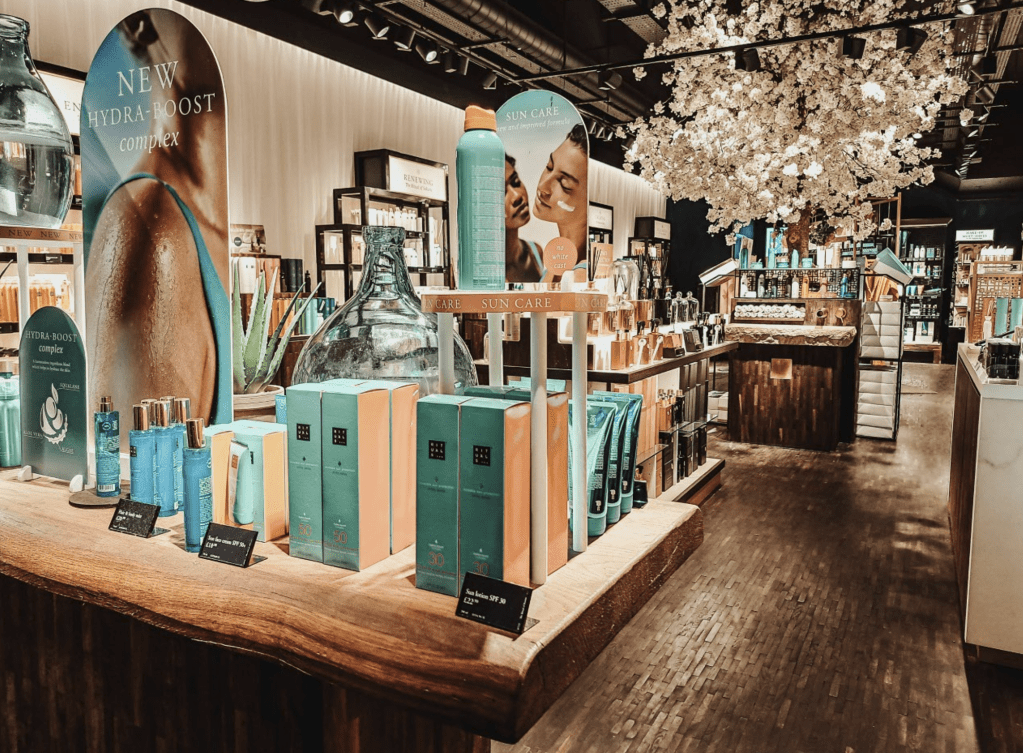
Lighting also reinforces brand identity. A luxury retailer might use warm, subtle lighting to create an intimate feel, while a tech store could embrace bright, clean lighting to emphasize innovation. The right lighting strategy makes products look more appealing, encourages longer browsing, and increases sales opportunities. It’s not just about visibility—it’s about shaping the emotional connection customers have with the store.
In-Store Layouts That Encourage Flow
The layout of a store is more than just a physical arrangement—it’s a visual journey. A cluttered or confusing layout can frustrate customers, while a clear and intuitive design encourages exploration. Retailers should consider how shoppers move through the space and place high-demand items strategically to balance traffic.
Visual cues such as floor graphics, directional signage, or strategically placed displays can guide customers smoothly from one section to another. Checkout areas should be easy to find, and impulse-buy items should be positioned where they naturally catch attention. A well-optimized layout not only improves the shopping experience but also maximizes exposure to products, increasing the likelihood of additional purchases.
Layout optimization also supports storytelling. Grouping products by theme or lifestyle creates a narrative that resonates with customers. For example, a sports retailer might design a section that combines footwear, apparel, and accessories for runners, making it easier for shoppers to envision a complete purchase. When customers feel comfortable navigating the store, they’re more likely to return and recommend the experience to others.
Conclusion
Retailers today face intense competition, and optimizing visual touchpoints is one of the most effective ways to stand out. Storefront displays attract attention, digital and print signage guide and inform, shelf labels simplify choices with modern label technology, lighting shapes mood, and layouts encourage flow.
Together, these elements create a shopping experience that feels effortless, engaging, and rewarding. By investing in these areas, retailers can build stronger connections with customers and ensure that every visit leaves a lasting impression.