Tag: home-improvement

  • 7 Upgrades That Make Your Commercial Space Look More Established

    7 Upgrades That Make Your Commercial Space Look More Established

    A well-designed commercial space does more than impress visitors—it builds trust, communicates professionalism, and strengthens your brand identity. Whether you’re running a retail store, office, or showroom, the right upgrades can transform your environment into one that feels established and credible.

    Here are seven impactful improvements that can elevate your space and leave a lasting impression.

    Invest in Professional Interior Design Services

    The foundation of an established commercial space lies in its design. Interior design services offered by professionals, like Interiors By Steven G, can help you create a cohesive look that reflects your brand’s values and vision. Instead of piecing together furniture and décor on your own, a designer ensures that every element—from layout to lighting—works together seamlessly.

    This not only enhances aesthetics but also improves functionality, making your space more welcoming for clients and efficient for employees. A thoughtfully designed interior signals that your business is serious, organized, and invested in quality. Over time, this investment pays off by creating a space that feels timeless rather than trendy, ensuring your business maintains a strong presence.

    Upgrade to High-Quality Flooring

    Flooring is often overlooked, yet it sets the tone for the entire space. Worn-out carpets or outdated tiles can make a business look neglected, while polished hardwood, luxury vinyl, or modern stone flooring conveys sophistication. Durable, high-quality flooring also reduces maintenance costs and withstands heavy foot traffic, which is essential in commercial settings.

    By upgrading your floors, you create a cleaner, more professional environment that immediately elevates your brand image. Clients notice these details, and when they see a well-maintained floor, they associate it with stability and care. It’s a subtle but powerful way to communicate that your business is built to last.

    Enhance Lighting for Ambiance and Functionality

    Lighting plays a critical role in how people perceive your business. Harsh fluorescent lights can feel cold and uninviting, while layered lighting—combining ambient, task, and accent fixtures—creates warmth and depth. Modern LED solutions not only save energy but also allow for customizable brightness and color tones.

    Thoughtful lighting design highlights key areas, improves employee productivity, and makes customers feel comfortable. A well-lit space communicates attention to detail and professionalism. When visitors walk into a space with balanced lighting, they immediately sense that the environment is cared for, which reinforces confidence in your brand.

    Incorporate Branded Signage and Visual Identity

    Signage is more than just a nameplate—it’s a statement of credibility. High-quality, custom signage reinforces your brand identity and makes your business instantly recognizable. Whether it’s a sleek lobby sign, window graphics, or directional signage, consistency in design builds trust and familiarity.

    Established businesses invest in signage that reflects their brand’s personality, ensuring that every visitor experiences a strong and memorable first impression. Beyond aesthetics, signage also improves navigation and customer experience, which shows that your business values clarity and professionalism.

    Display Art and Install Pictures Professionally

    Art and photography add character to a commercial space, but how they’re displayed matters just as much as the pieces themselves. Professional business picture hanging services ensure that artwork is aligned, balanced, and securely installed. This attention to detail prevents a cluttered or amateur look and instead creates a polished environment.

    Well-chosen art can inspire creativity, spark conversation, and reinforce your brand’s values. When displayed with precision, it signals that your business values quality and presentation. A gallery-like approach to art installation elevates your space, making it feel curated and intentional rather than improvised.

    Modernize Furniture and Layout

    Outdated or mismatched furniture can make a space feel temporary or unprofessional. Investing in modern, ergonomic furniture not only improves comfort but also communicates that your business is forward-thinking. A strategic layout enhances flow, maximizes space, and ensures that both employees and clients feel at ease.

    Sleek conference tables, comfortable seating, and functional workstations all contribute to a professional atmosphere that reflects stability and success. When people see a well-organized office or showroom, they associate it with efficiency and reliability, which strengthens your reputation.

    Integrate Smart Technology and Amenities

    Technology upgrades are essential for businesses that want to appear established and future-ready. Smart systems for climate control, security, and audiovisual presentations demonstrate efficiency and innovation. Amenities such as charging stations, interactive displays, or digital directories enhance convenience for visitors and employees alike.

    These upgrades show that your business is not only keeping up with modern standards but also prioritizing user experience. A space equipped with smart technology feels progressive and trustworthy, signaling that your company is prepared for growth and longevity.

    Conclusion

    Creating an established look for your commercial space requires more than surface-level changes—it’s about thoughtful upgrades that reflect professionalism, stability, and brand identity.

    From professional interior design services to polished flooring, strategic lighting, and precise picture hanging, each improvement builds credibility and trust. By investing in these upgrades, you transform your space into one that not only impresses but also communicates that your business is here to stay.
  • Invisible Protection: Materials That Keep Your Property Safe from Unexpected Threats

    Invisible Protection: Materials That Keep Your Property Safe from Unexpected Threats

    When it comes to protecting your property, not all safeguards are obvious. Some of the most powerful defenses are built quietly into the materials that surround you every day. From reinforced walls to advanced door systems, modern construction now prioritizes protection without compromising style.

    Invisible protection focuses on durability, fire resistance, and structural integrity that work behind the scenes. These materials are designed to respond when emergencies happen, whether it’s fire, forced entry, or environmental stress. The right choices can significantly reduce damage and give occupants more time to respond safely. Below are several materials and systems that help keep properties secure from unexpected threats.

    Fire-Rated Walls and Treated Structural Materials

    Fire-rated walls and specially treated structural materials play a critical role in containing fire and slowing its spread. These systems are engineered to withstand high temperatures for a specified period, offering valuable time for evacuation and emergency response. Materials such as gypsum board assemblies, fire-resistant insulation, and concrete walls are commonly used in both residential and commercial buildings.

    Their primary purpose is compartmentalization, which helps isolate flames and smoke to a limited area. This type of invisible protection is especially important in multi-unit buildings and shared spaces. Beyond fire resistance, many of these materials also contribute to overall structural stability. By integrating fire-rated construction early in the design process, property owners strengthen both safety and long-term resilience.

    Reinforced Concrete and Impact-Resistant Glass

    Reinforced concrete is widely recognized for its strength and durability under pressure. Steel reinforcement bars embedded within concrete significantly improve its resistance to cracking and structural failure. This makes it particularly effective against natural disasters such as earthquakes or severe storms. Similarly, impact-resistant glass is designed to withstand high-force impacts without shattering into dangerous shards.

    Laminated glass, for instance, holds together even when cracked, reducing the risk of injury and forced entry. These materials may look like standard building components from the outside, but their internal structure provides critical protection. Incorporating reinforced concrete and high-performance glazing adds an extra layer of security without drastically changing a building’s appearance.

    Secured and Fire-Rated Doors

    Doors are often considered entry points, but they are also one of the most important protective barriers within a property. Secured and fire-rated doors are engineered to resist both forced entry and high temperatures. They are constructed using reinforced cores, heavy-duty frames, and specialized hardware designed for durability. Fire-rated doors are tested to withstand flames and smoke for specific time periods, helping to slow the spread between rooms or zones.

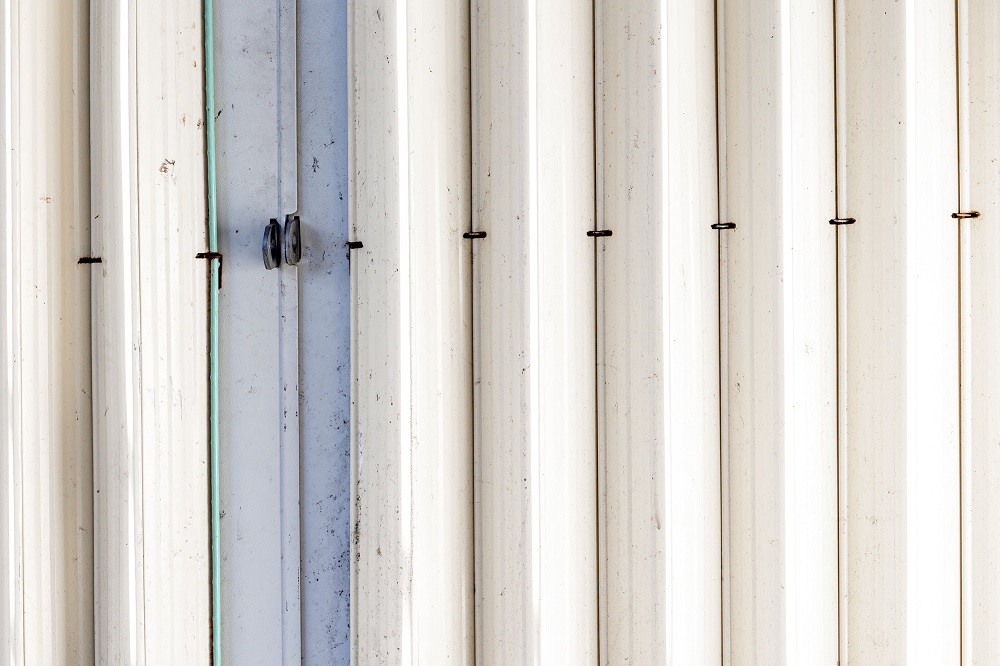
    In commercial settings, systems such as a steel folding door like Won-Door are designed to provide both security and fire resistance in one integrated solution. This type of door system can compartmentalize spaces quickly while maintaining daily accessibility. By investing in secure and fire-rated door systems, property owners strengthen one of the most critical lines of defense.

    Advanced Roofing and Weather-Resistant Barriers

    The roof is another area where invisible protection plays a major role. Advanced roofing systems incorporate fire-resistant materials, waterproof membranes, and wind-resistant fasteners to improve performance under extreme conditions. These systems are designed to prevent leaks, reduce heat transfer, and minimize structural damage during storms.

    Weather-resistant barriers beneath exterior cladding also protect buildings from moisture intrusion and mold growth. While these layers are not visible after installation, they function continuously to preserve the building envelope. Properly installed roofing and barrier systems can significantly extend the lifespan of a structure. Choosing high-quality materials in these areas helps reduce long-term repair costs and protect occupants from environmental hazards.

    Security Hardware and Access Control Systems

    Physical materials are only one part of invisible protection; integrated security hardware also plays a key role. Reinforced locks, tamper-resistant hinges, and heavy-duty strike plates enhance the strength of doors and windows.

    Access control systems, including keycard or keypad entry, add another layer of monitored security. These systems can help regulate who enters specific areas and provide records of access activity. When combined with durable building materials, they form a comprehensive safety strategy.

    Building with Confidence

    Invisible protection is about thoughtful planning and smart material selection. By combining fire-resistant construction, reinforced structural components, secure door systems, and advanced roofing solutions, property owners create layered defense. These elements may not be immediately noticeable, but they work continuously to safeguard people and assets.

    Investing in high-performance materials is not simply about meeting code requirements; it is about enhancing long-term safety and peace of mind. Each component contributes to a stronger, more resilient structure. When unexpected threats arise, the quality of these materials can make a measurable difference. Building with confidence starts by choosing materials designed to protect from the inside out.

  • Materials You Must Prepare Before Home Construction Begins

    Materials You Must Prepare Before Home Construction Begins

    Preparing for home construction is one of the most exciting steps in building a space that feels truly your own. From structural elements to finishing touches, the materials you gather early can significantly impact your budget, schedule, and the overall quality of your home. Many homeowners underestimate how much planning is involved, but being proactive makes the entire process smoother.

    Choosing the right materials helps avoid work delays and prevents unnecessary last-minute expenses. Having a well-organized materials list also ensures your contractor can work efficiently from day one. Below, you’ll find the essential materials you should secure in advance, along with helpful insights that make preparation easier and more manageable.

    Foundation and Framing Materials

    Foundation and framing materials are the backbone of your entire home, so it’s important to choose them carefully. Concrete, rebar, and lumber need to be properly sourced to ensure long-term structural stability. Many builders recommend securing these materials early because supply availability can fluctuate throughout the year.

    You’ll also want to discuss with your contractor the specific grade of lumber that best suits your design and climate. Moisture-resistant and high-strength options provide better support over time. By planning your foundation and framing materials ahead of schedule, you can avoid costly delays once construction begins. These early decisions will set the tone for a safe, strong, and reliable home build.

    Roofing Materials

    Roofing materials protect your home from weather and help regulate interior temperature, making them an essential part of early construction planning. Homeowners often choose between asphalt shingles, metal roofing, and tile, depending on style preference and local climate. Securing high-quality roofing materials early ensures your contractor can maintain the build timeline without unexpected interruptions. Different roofing types also vary in lifespan, so it’s helpful to consider long-term durability when narrowing your options.

    You may also want to discuss underlayment and ventilation components to support the roof’s performance. This ensures your home stays structurally sound and energy-efficient for the years ahead. Thoughtful planning for roofing materials will give your home proper protection and a clean, cohesive appearance.

    Siding Materials

    Siding plays an important role in protecting your home from the elements while enhancing its exterior appeal. Homeowners can choose from options like vinyl, fiber cement, engineered wood, or metal depending on durability and style preferences. It’s helpful to coordinate design choices with your contractor early, especially if you want consistent color tones or specific textures. Proper siding installation can also improve energy efficiency by regulating heat transfer.

    Before construction begins, ensure that accessories such as trim, flashing, and insulation wraps are also included in your siding plan. As you review material options with your builder, there are many suppliers like Valley & Aetna Building Products that can provide high-quality siding solutions. They offer a variety of styles and finishes that make it easier to match your home’s design. These options help ensure your exterior is both durable and visually appealing. With the right groundwork, your siding not only strengthens your home’s exterior but also elevates its visual appeal.

    Windows and Opening Systems

    Windows are essential for natural lighting, ventilation, and overall home comfort, making them a crucial material to prepare before construction starts. Different window types offer varying levels of insulation, noise reduction, and energy efficiency. It’s important to check performance ratings to ensure the windows you choose match your local climate needs.

    Homeowners often consider frame materials like vinyl, fiberglass, or wood to balance durability and aesthetics. You should also coordinate window sizes and placements early so your builder can frame openings accurately. For those exploring window options, you may find helpful details when you click here to find out more during your research phase. Preparing your window selections early ensures smoother installation and a brighter, more comfortable living space.

    Plumbing and Electrical Materials

    Plumbing and electrical materials should be planned early because they form the internal systems that keep your home fully functional. These include pipes, fittings, wiring, outlets, and breaker panels that must meet code requirements. Homeowners often rely on professional input to choose materials that align with both performance and safety standards.

    It’s important to have these selections ready so your contractor can complete rough-in work without delays. Discuss water pressure needs, appliance placements, and lighting plans in advance to avoid mid-construction adjustments. Quality materials also reduce the risk of leaks, electrical faults, or future maintenance issues. Taking time to plan these systems ensures your home operates smoothly and efficiently from day one.

    Insulation and Drywall Materials

    Insulation plays a key role in energy efficiency, keeping your home comfortable throughout the year. Foam board, fiberglass, and spray foam are common options, each offering different benefits depending on your climate and budget. Proper insulation supports lower energy bills by keeping indoor temperatures stable. Once insulation is in place, drywall becomes the next essential material to prepare for interior construction.

    Securing drywall panels early helps avoid delays during the finishing stages. You’ll also want to consider moisture-resistant drywall for bathrooms, kitchens, or humid areas of the home. Planning these materials in advance contributes to a comfortable, efficient, and visually polished interior space.

    Flooring and Interior Finish Materials

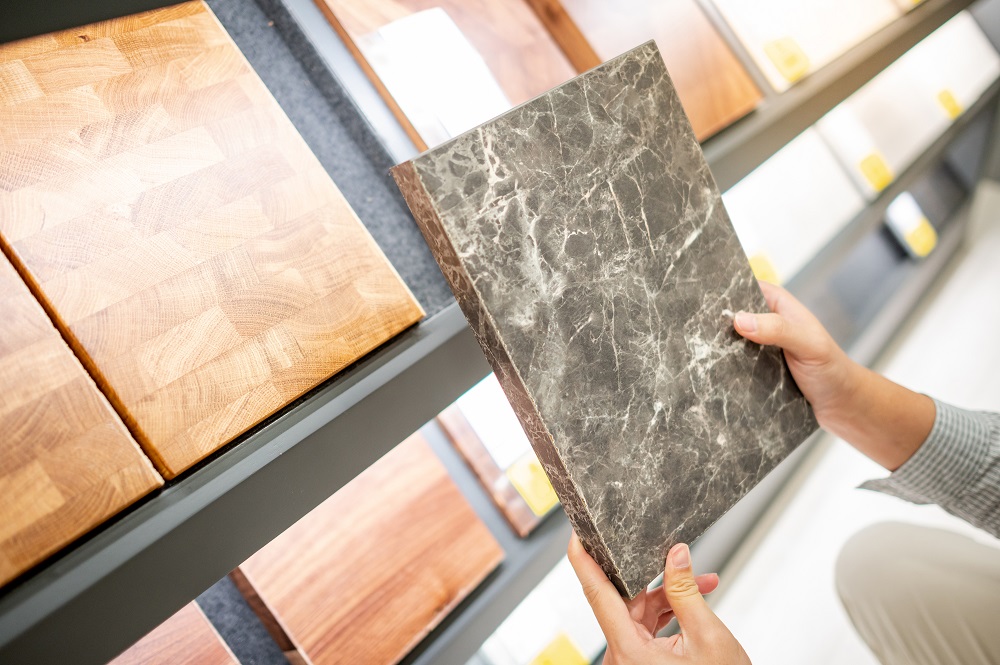
    Flooring materials shape the look and feel of your home, so selecting them early is helpful in maintaining design consistency. Whether you choose hardwood, laminate, tile, or carpet, each option offers different durability levels and style benefits. Having samples on hand can help you compare colors against walls, fixtures, and lighting.

    Interior finishes like baseboards, molding, and door trims also need to be prepared ahead of time to streamline installation. These finishing details give rooms a complete and refined appearance. It’s also wise to order extra flooring in case repairs or adjustments are needed later. Early preparation ensures your interior finishes come together smoothly and with minimal stress.

    Conclusion

    Preparing the right materials before home construction begins is one of the most effective ways to ensure a smooth, well-organized building process. When you gather essential items early—whether structural components, siding, windows, or interior finishes—you help your contractor work efficiently and prevent avoidable delays. Each material plays a unique role in supporting safety, comfort, and long-term durability, making early planning an investment in your home’s future.

    Taking time to research options, coordinate with professionals, and secure reliable suppliers allows you to approach construction with confidence. This preparation also makes it easier to stick to your budget and maintain your project timeline. With thoughtful decisions and proactive planning, you set the stage for a home that meets your needs and reflects your vision. By getting materials in order early, you pave the way for a construction process that is smoother, more predictable, and ultimately more rewarding.

  • Preparing for the Cold: Essential Heating Installation Tips for Winter

    Preparing for the Cold: Essential Heating Installation Tips for Winter

    When the temperature starts to drop, there’s nothing quite like stepping into a warm, cozy home. But that comfort doesn’t just happen—it’s the result of a well-planned and properly installed heating system. Whether you’re upgrading an old unit or setting up a new one, preparing early ensures your home stays comfortable all season long. From checking insulation to maintaining your furnace, these tips will help you get ready for the colder months ahead. Let’s explore how you can make your home more efficient, reliable, and winter-ready.

    Check and Upgrade Your Insulation

    Before focusing on your heating system, make sure your home’s insulation is up to par. Proper insulation prevents heat from escaping, reducing the strain on your heater and helping lower energy costs. Start by checking areas like your attic, windows, and doors for drafts or gaps where warm air might leak out. You can add weatherstripping or sealant to these areas for extra protection.

    If your home is older, it may be worth investing in upgraded insulation materials for better heat retention. Even simple improvements can make a big difference in maintaining consistent indoor temperatures. Good insulation not only keeps your home warm but also helps your heating system work more efficiently.

    Schedule a Professional Heating Installation

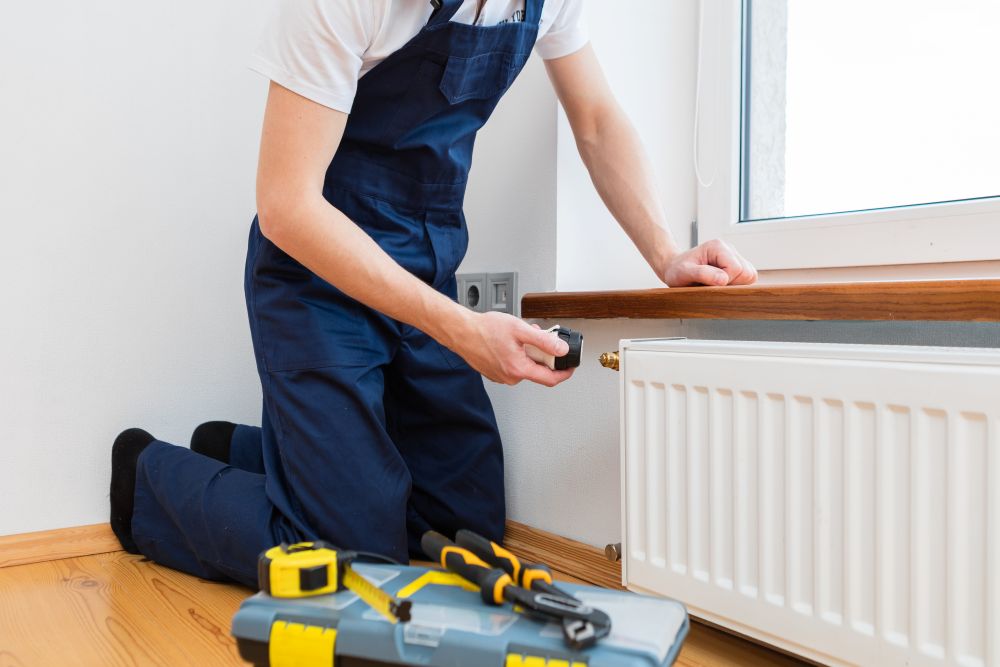
    Having your heating system installed by a certified technician ensures safety, energy efficiency, and dependable long-term performance. A trained professional doesn’t just connect the system—they evaluate your home’s layout, insulation, and heating requirements to determine the proper size and configuration. This careful planning helps prevent common problems such as uneven heating, excessive energy consumption, or premature system wear.

    Proper heating installation is a critical step in creating a safe and comfortable home environment, especially before the cold months arrive. Companies like Steele Brothers Heating Inc follow proven installation methods that meet industry standards and best practices. Their attention to detail during setup and testing ensures every component operates as intended. With a system installed correctly from the start, homeowners can enjoy reliable warmth, improved energy efficiency, and fewer maintenance issues throughout the winter season.

    Maintain and Clean Your Furnace Regularly

    Routine maintenance is essential to keep your heating system running smoothly throughout winter. Dust, debris, and worn-out components can reduce your furnace’s efficiency and lead to unexpected breakdowns. Start by replacing filters every one to three months, depending on your usage and the type of filter you have.

    It’s also important to check for unusual noises or odors, which can indicate a problem that needs attention. If your system hasn’t been serviced in a while, scheduling a home furnace repair before the season starts can save you from emergency calls later. Regular upkeep ensures consistent warmth, better air quality, and lower energy bills. Think of it as an investment in both comfort and peace of mind.

    Test Your Thermostat and Settings

    Your thermostat plays a key role in maintaining your home’s ideal temperature. Before winter arrives, test your thermostat to ensure it’s working accurately. If your heating system doesn’t respond correctly, the issue may be as simple as a low battery or a need for recalibration. Consider upgrading to a programmable or smart thermostat for better temperature control and energy savings.

    You can set schedules so your home is warm when you need it and conserve energy when you’re away. Even a small adjustment to your thermostat settings can lead to noticeable savings over the winter months. A properly functioning thermostat makes it easier to stay warm without overworking your heating system.

    Prepare for Emergency Backups and Safety Checks

    Finally, it’s always smart to prepare for unexpected issues during the colder months. Keep extra blankets, space heaters, and flashlights handy in case of a temporary heating outage. Test your smoke and carbon monoxide detectors to ensure they’re working properly—these devices are vital for safety when heating systems are running continuously.

    If your heating unit uses gas, make sure there are no leaks and that vents are clear of blockages. You can also review your system’s manual to understand basic troubleshooting steps. Regularly checking these details ensures your home is both warm and safe. Taking these precautions can make winter far more comfortable, even if the weather outside gets unpredictable.

    Final Thoughts

    Preparing your home for winter doesn’t have to be stressful or overwhelming. With the right heating installation, proper maintenance, and a few simple precautionary steps, you can enjoy a season filled with cozy comfort, reliable warmth, and lasting energy efficiency. Start early by inspecting your system, sealing any air leaks, and cleaning vents to ensure steady airflow throughout your home. Stay on top of regular maintenance to prevent unexpected breakdowns and costly repairs.

    It’s also a good idea to schedule a professional inspection to make sure everything is operating safely and efficiently before the cold weather arrives. When your heating system runs smoothly, you can relax knowing your home will stay safe, warm, and welcoming—no matter how chilly it gets outside.

  • Say Goodbye to Slow Drains: Expert Tips for Clogged Drain Cleaning

    Say Goodbye to Slow Drains: Expert Tips for Clogged Drain Cleaning

    A slow-draining sink or bathtub can quickly become a frustrating household problem. Clogs often start small, caused by everyday debris like hair, soap scum, or food particles. Over time, these minor blockages can build up, leading to backups and unpleasant odors. Understanding the causes of clogged drains is the first step in keeping your plumbing running smoothly.

    With simple habits and timely maintenance, many drain issues can be prevented before they turn into bigger plumbing concerns. Knowing when to act can save both time and money in the long run. Let’s explore practical tips and strategies to keep your drains flowing freely and your home plumbing in top shape.

    Common Causes of Clogged Drains

    Clogs can form for a variety of reasons, many of which are easy to overlook. Kitchen drains often get blocked by grease, coffee grounds, and food scraps that accumulate in the pipes. Bathroom sinks and showers are prone to hair and soap buildup, which can stick to the sides of the drain. Toilets may experience clogs from excessive toilet paper or non-flushable items.

    Outdoor drains can get obstructed by leaves, dirt, and debris, especially after heavy rain. Regularly inspecting and understanding what goes down your drains can help prevent blockages. Catching these issues early ensures your plumbing system works efficiently and avoids costly repairs.

    DIY Drain Cleaning Techniques

    There are several effective methods to tackle minor clogs at home. Boiling water poured down the drain can help dissolve grease and soap buildup in kitchen sinks. A mixture of baking soda and vinegar creates a chemical reaction that can loosen debris in bathroom drains. Using a plunger can often remove stubborn clogs in sinks, tubs, and toilets.

    For drains with more persistent blockages, a manual drain snake can reach deeper into the pipes to pull out hair or gunk. Avoid harsh chemical cleaners, as they can damage pipes over time. Consistent maintenance, such as using drain guards, also helps prevent buildup. These simple techniques are often enough to restore proper flow without needing professional help.

    Preventative Measures to Keep Drains Clear

    Prevention is always better than dealing with clogged drains after the fact. Installing drain strainers can catch hair, food particles, and other debris before they enter the pipes. Avoid pouring grease or oil down kitchen drains, as they solidify and create blockages. Regularly flushing drains with hot water helps move minor buildup along the pipes. Be mindful of what items are flushed down toilets; only human waste and toilet paper should go in.

    In the bathroom, brushing hair before showering can drastically reduce hair accumulation in the drain. Routine maintenance keeps your plumbing system healthy and avoids emergencies. Staying proactive saves time, money, and stress in the long run.

    Drain Cleaning Professional Help

    While many clogs can be managed at home, some situations require expert attention. If a drain remains slow despite repeated DIY efforts, it may indicate a deeper issue in the plumbing system. Foul odors, water backup, or gurgling sounds often signal a significant blockage. Tree roots or damaged pipes can also contribute to persistent drain problems.

    In these cases, a drain cleaning professional has the right tools and experience to safely and effectively clear the obstruction. They can also inspect your plumbing system to prevent future issues. Knowing when to seek professional help ensures your home stays safe and functional.

    Healthy Drains Maintenance for the Long Term

    Ongoing care is key to preventing clogs and extending the life of your plumbing. Regularly check drains for slow drainage or unusual sounds that may indicate early signs of buildup. Incorporate simple cleaning habits like monthly baking soda and vinegar treatments or hot water flushes.

    Avoid flushing or pouring inappropriate materials down sinks and toilets. Using strainers and catching debris before it enters your pipes is an easy, effective practice. Address minor issues promptly before they become major problems. For older plumbing systems, scheduling regular inspections from professionals like Duvall Plumbing Co – Tulsa can help identify potential sewer line deterioration before it leads to a full sewer replacement. Consistent maintenance keeps your drains clear and reduces the likelihood of needing emergency repairs.

    Conclusion

    Clogged drains can disrupt daily routines, but with careful attention and preventative care, they don’t have to be a major problem. Understanding the common causes, using DIY cleaning techniques, and implementing regular maintenance can keep your plumbing flowing smoothly. When issues persist, seeking a drain cleaning professional ensures proper care without risking damage.

    By staying proactive, you can save time, money, and frustration while enjoying a home free from slow or blocked drains. Regular inspections also help detect early signs of pipe corrosion or root intrusion before they lead to costly sewer replacement. Keeping your plumbing system healthy not only ensures smoother water flow but also protects your property from future water damage and inconvenience.

Design a site like this with WordPress.com
Get started