When it comes to protecting your property, not all safeguards are obvious. Some of the most powerful defenses are built quietly into the materials that surround you every day. From reinforced walls to advanced door systems, modern construction now prioritizes protection without compromising style.
Invisible protection focuses on durability, fire resistance, and structural integrity that work behind the scenes. These materials are designed to respond when emergencies happen, whether it’s fire, forced entry, or environmental stress. The right choices can significantly reduce damage and give occupants more time to respond safely. Below are several materials and systems that help keep properties secure from unexpected threats.
Fire-Rated Walls and Treated Structural Materials
Fire-rated walls and specially treated structural materials play a critical role in containing fire and slowing its spread. These systems are engineered to withstand high temperatures for a specified period, offering valuable time for evacuation and emergency response. Materials such as gypsum board assemblies, fire-resistant insulation, and concrete walls are commonly used in both residential and commercial buildings.
Their primary purpose is compartmentalization, which helps isolate flames and smoke to a limited area. This type of invisible protection is especially important in multi-unit buildings and shared spaces. Beyond fire resistance, many of these materials also contribute to overall structural stability. By integrating fire-rated construction early in the design process, property owners strengthen both safety and long-term resilience.
Reinforced Concrete and Impact-Resistant Glass
Reinforced concrete is widely recognized for its strength and durability under pressure. Steel reinforcement bars embedded within concrete significantly improve its resistance to cracking and structural failure. This makes it particularly effective against natural disasters such as earthquakes or severe storms. Similarly, impact-resistant glass is designed to withstand high-force impacts without shattering into dangerous shards.
Laminated glass, for instance, holds together even when cracked, reducing the risk of injury and forced entry. These materials may look like standard building components from the outside, but their internal structure provides critical protection. Incorporating reinforced concrete and high-performance glazing adds an extra layer of security without drastically changing a building’s appearance.
Secured and Fire-Rated Doors
Doors are often considered entry points, but they are also one of the most important protective barriers within a property. Secured and fire-rated doors are engineered to resist both forced entry and high temperatures. They are constructed using reinforced cores, heavy-duty frames, and specialized hardware designed for durability. Fire-rated doors are tested to withstand flames and smoke for specific time periods, helping to slow the spread between rooms or zones.
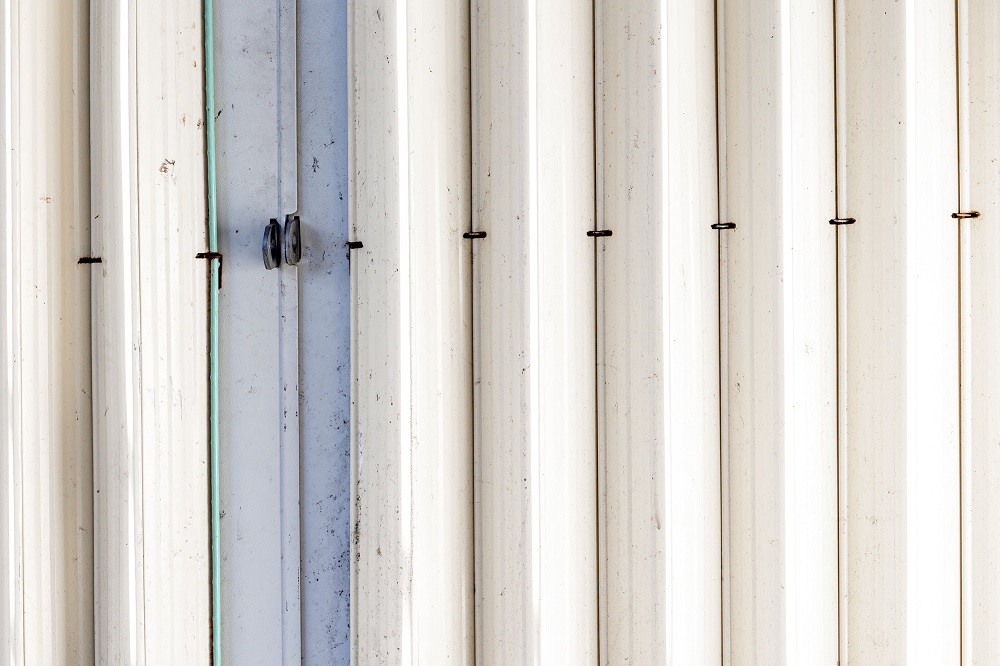
In commercial settings, systems such as a steel folding door like Won-Door are designed to provide both security and fire resistance in one integrated solution. This type of door system can compartmentalize spaces quickly while maintaining daily accessibility. By investing in secure and fire-rated door systems, property owners strengthen one of the most critical lines of defense.
Advanced Roofing and Weather-Resistant Barriers
The roof is another area where invisible protection plays a major role. Advanced roofing systems incorporate fire-resistant materials, waterproof membranes, and wind-resistant fasteners to improve performance under extreme conditions. These systems are designed to prevent leaks, reduce heat transfer, and minimize structural damage during storms.
Weather-resistant barriers beneath exterior cladding also protect buildings from moisture intrusion and mold growth. While these layers are not visible after installation, they function continuously to preserve the building envelope. Properly installed roofing and barrier systems can significantly extend the lifespan of a structure. Choosing high-quality materials in these areas helps reduce long-term repair costs and protect occupants from environmental hazards.
Security Hardware and Access Control Systems
Physical materials are only one part of invisible protection; integrated security hardware also plays a key role. Reinforced locks, tamper-resistant hinges, and heavy-duty strike plates enhance the strength of doors and windows.
Access control systems, including keycard or keypad entry, add another layer of monitored security. These systems can help regulate who enters specific areas and provide records of access activity. When combined with durable building materials, they form a comprehensive safety strategy.
Building with Confidence
Invisible protection is about thoughtful planning and smart material selection. By combining fire-resistant construction, reinforced structural components, secure door systems, and advanced roofing solutions, property owners create layered defense. These elements may not be immediately noticeable, but they work continuously to safeguard people and assets.
Investing in high-performance materials is not simply about meeting code requirements; it is about enhancing long-term safety and peace of mind. Each component contributes to a stronger, more resilient structure. When unexpected threats arise, the quality of these materials can make a measurable difference. Building with confidence starts by choosing materials designed to protect from the inside out.

 Businest