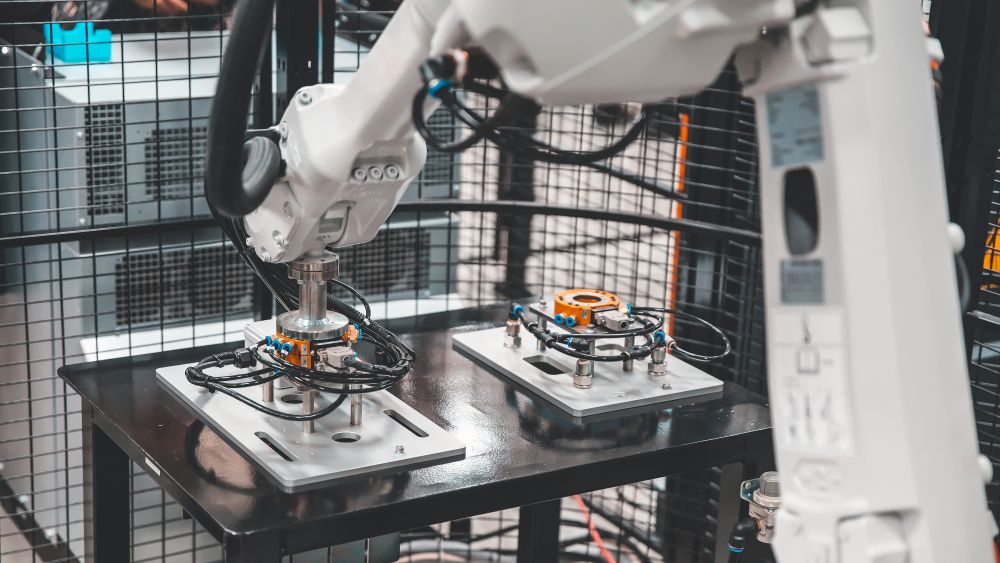
Automation has become a central part of modern manufacturing, and CNC technology continues to lead the way. By allowing machines to operate with improved accuracy, consistency, and efficiency, CNC systems enhance productivity across a wide range of industries. Today, automated CNC solutions can be found in machining shops, large-scale production lines, and specialized fabrication facilities.
This article explores the industrial systems most commonly automated through CNC technology and how they support smoother, safer, and more reliable operations. Below are the systems where CNC automation makes the biggest impact, including the growing use of smart loaders to assist with machine tending and workflow efficiency.
CNC Machining Centers
CNC machining centers are one of the most widely automated systems across manufacturing industries. These machines handle tasks such as milling, drilling, and cutting with high precision, supporting both small-scale prototyping and large-volume production. Automation helps operators maintain consistent quality while reducing manual intervention during long production cycles. Advanced machining centers can switch between tools automatically, allowing them to perform multiple operations in a single setup.
Many CNC machine shops, including imf, rely on automation to streamline complex machining tasks and maintain efficient workflow. CNC-driven machining centers also contribute to improved safety, as operators spend less time interacting directly with cutting tools. With growing demand for accuracy and repeatability, machining centers remain at the heart of automated industrial systems.
CNC Turning Systems
CNC turning systems automate the process of shaping materials by rotating the workpiece against a cutting tool. This type of automation enhances the production of cylindrical parts such as shafts, bushings, and threaded components. Automated turning systems can operate for extended periods with minimal supervision, making them ideal for high-volume manufacturing environments. Tool wear can be monitored and compensated automatically, which ensures consistent quality across large production batches. Automated bar feeders and part catchers are often integrated to reduce operator workload and increase throughput.
CNC turning also supports complex geometries through multi-axis configurations, allowing for more detailed and intricate component designs. Because of its reliability and adaptability, CNC turning remains essential in industries such as automotive, aerospace, and general manufacturing.
CNC Laser Cutting Systems
CNC laser cutting systems automate the precise cutting of metals, plastics, and various engineered materials. These systems use focused laser beams controlled by CNC programming to produce clean, accurate cuts with minimal material waste. Automation allows laser cutters to operate continuously and handle both simple and detailed patterns with ease. With adjustable speed, power, and beam intensity, operators can tailor the machine settings to meet different production requirements. Laser automation reduces manual handling and improves safety by keeping operators at a distance from the cutting zone.
It also minimizes the need for secondary finishing work because laser-cut edges are typically smooth and refined. Industries that rely on intricate panel work, signage, or thin-material fabrication often depend heavily on CNC laser cutting systems.
CNC Plasma Cutting Systems
CNC plasma cutting systems automate the process of cutting through electrically conductive materials using a high-temperature plasma arc. These machines are commonly used for thicker metals that require greater cutting power than laser systems can provide. Automation ensures consistent cut quality even across large sheets of steel or aluminum. CNC-guided plasma cutters can follow detailed shapes, patterns, and templates designed through CAD software.
Their ability to handle high-speed cutting makes them especially useful in industries such as construction, shipbuilding, and heavy equipment manufacturing. Automated plasma systems also help reduce labor costs by limiting the need for manual torch operation. With precise control over movement and arc intensity, CNC plasma cutting continues to enhance metal fabrication workflows.
CNC Waterjet Cutting Systems
CNC waterjet cutting systems use high-pressure water streams—sometimes combined with abrasives—to cut through a wide range of materials. Automation makes waterjet cutting ideal for projects requiring cool, distortion-free cuts that do not alter the material’s structure. CNC programming allows these systems to create detailed shapes that would be difficult to achieve with manual cutting tools. Waterjets are widely used in industries working with stone, composites, rubber, and metals.
Automated waterjet cutters reduce the need for secondary processing because they produce smooth, clean edges. Their ability to maintain precision across large or thick materials makes them a reliable choice for many manufacturers. As automation improves, waterjet systems continue to support efficient, versatile, and accurate production operations.
Automated Smart Loaders
Smart loaders are increasingly used to automate the loading and unloading of parts for CNC machines. These systems help reduce downtime by keeping machining centers supplied with workpieces throughout long production cycles. Automated loaders improve workflow efficiency and reduce operator fatigue, especially during repetitive or heavy-load handling tasks. They integrate seamlessly with CNC equipment and often include sensors to ensure safe and accurate part placement.
Many manufacturers use smart loaders to maintain consistent output, and some systems incorporate technologies from companies such as Koma Precision to support smooth robotic handling. Smart loaders also allow CNC machines to operate for longer hours without constant operator supervision. With automation trends on the rise, smart loaders have become an essential component of modern machining environments.
Conclusion
CNC automation continues to reshape the manufacturing landscape by making industrial systems more efficient, consistent, and reliable. From machining centers to smart loaders, each automated component contributes to smoother production and reduced manual workload. These systems not only improve precision but also support safer working conditions by minimizing direct operator interaction with heavy machinery.
As industries evolve, CNC automation provides the flexibility needed to meet changing demands and production challenges. Manufacturers benefit from better repeatability, faster turnaround times, and improved overall workflow.
With ongoing advancements in robotics and software integration, CNC technology will remain at the forefront of modern industrial operations. Whether for large-scale production or specialized fabrication, automated CNC systems are essential tools for driving future growth and innovation.

 Businest