Tag: real-estate

  • 5 Strategies to Lower Your Property Tax Bill This Year

    5 Strategies to Lower Your Property Tax Bill This Year

    Property taxes can feel like a heavy burden, especially when they rise year after year. The good news is that homeowners have options to ease the strain. With the right strategies, you can take control and potentially save hundreds or even thousands of dollars. Here are five smart ways to lower your property tax bill this year.

    Review Your Property Tax Assessment Carefully

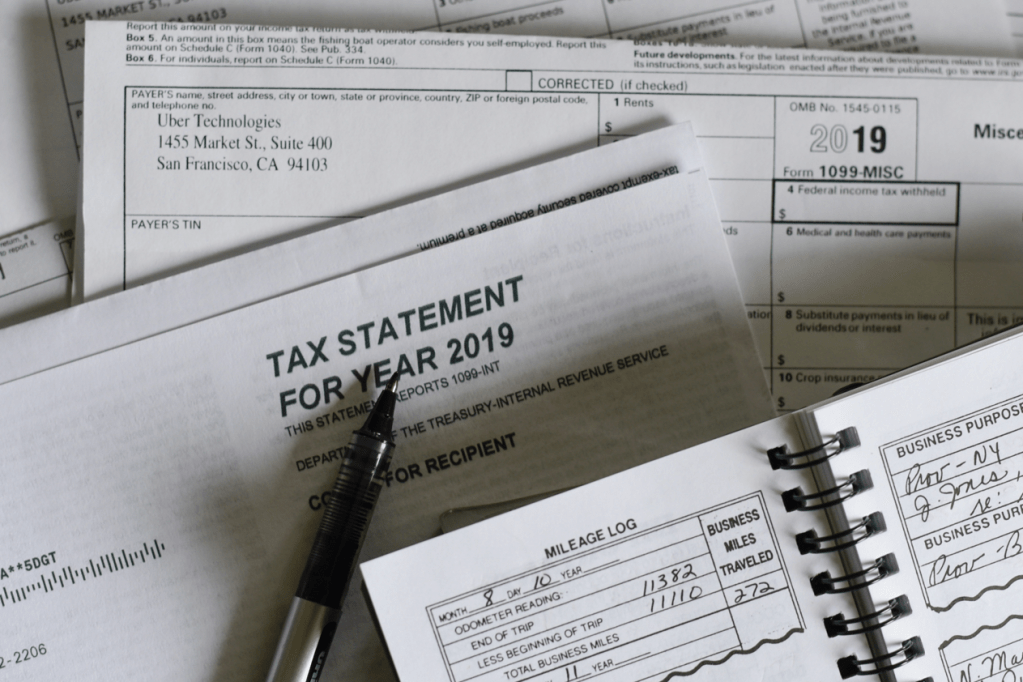
    Every homeowner receives a property tax assessment that determines how much they owe. These assessments are not always accurate. Mistakes happen, and sometimes properties are valued higher than they should be. Reviewing your assessment is the first step toward lowering your bill.

    Compare the details with similar homes in your neighborhood. Look for errors in square footage, number of rooms, or property features. If you find discrepancies, you can file an appeal with your local tax office. Even small corrections can make a noticeable difference in your annual tax bill. Taking the time to double-check your assessment ensures you are not paying more than necessary.

    File a Property Tax Appeal When Needed

    If you believe your property has been overvalued, filing a tax appeal can be a powerful tool. The appeal process allows you to present evidence that your home’s value is lower than what the assessor claims. This might include recent sales of comparable homes, independent appraisals, or documentation of needed repairs. While the process may seem intimidating, many homeowners successfully reduce their tax bills through appeals.

    Some counties even provide online resources to guide you through the steps. Acting quickly is important because appeals usually have strict deadlines. By challenging an inflated assessment, you can secure a fairer tax rate and keep more money in your pocket.

    Explore Legal Services That Help Reduce Property Taxes

    Sometimes professional help is the most effective way to cut costs. Legal services specializing in property tax law can assist homeowners in navigating complex rules and filing appeals correctly. These experts understand local regulations and know how to build strong cases. They can also identify exemptions or reductions you may qualify for but haven’t claimed.

    For example, senior citizens, veterans, or disabled homeowners often have access to special tax relief programs. By working with a qualified attorney or tax consultant, you can uncover opportunities to reduce property taxes that you might otherwise miss. While there may be fees involved, the savings often outweigh the costs, making legal guidance a smart investment.

    Apply for All Eligible Exemptions and Relief Programs

    Many states and counties offer exemptions that lower property taxes for certain groups of homeowners. These programs are designed to provide relief to those who need it most. Common exemptions include homestead exemptions, which reduce the taxable value of your primary residence, and programs for seniors, veterans, or people with disabilities.

    Some areas also provide temporary relief for homeowners facing financial hardship. Applying for these exemptions requires paperwork, but the benefits can be significant. Once approved, the exemption continues to reduce your tax bill year after year. Checking with your local tax office ensures you are not missing out on valuable savings.

    Keep Your Property Records Updated and Accurate

    Outdated or incorrect property records can lead to higher taxes. For example, if your home is listed as having features you no longer have, such as a finished basement or extra bathroom, you could be paying more than necessary. Keeping your records current helps ensure your property is assessed fairly.

    If you make improvements, such as adding a deck or renovating a kitchen, report them accurately to avoid surprises later. On the other hand, if parts of your home are in disrepair, documenting these issues can support a lower valuation. Staying proactive with your property records prevents inflated assessments and keeps your tax bill aligned with reality.

    Conclusion

    Lowering your property tax bill is not only possible but often easier than many homeowners realize. By reviewing assessments, filing appeals, seeking legal help, applying for exemptions, and keeping records accurate, you can take control of your financial future.

    Each strategy requires some effort, but the payoff can be substantial. Property taxes may be unavoidable, but with smart planning, you can make them more manageable and keep more of your hard-earned money this year.
  • Materials You Must Prepare Before Home Construction Begins

    Materials You Must Prepare Before Home Construction Begins

    Preparing for home construction is one of the most exciting steps in building a space that feels truly your own. From structural elements to finishing touches, the materials you gather early can significantly impact your budget, schedule, and the overall quality of your home. Many homeowners underestimate how much planning is involved, but being proactive makes the entire process smoother.

    Choosing the right materials helps avoid work delays and prevents unnecessary last-minute expenses. Having a well-organized materials list also ensures your contractor can work efficiently from day one. Below, you’ll find the essential materials you should secure in advance, along with helpful insights that make preparation easier and more manageable.

    Foundation and Framing Materials

    Foundation and framing materials are the backbone of your entire home, so it’s important to choose them carefully. Concrete, rebar, and lumber need to be properly sourced to ensure long-term structural stability. Many builders recommend securing these materials early because supply availability can fluctuate throughout the year.

    You’ll also want to discuss with your contractor the specific grade of lumber that best suits your design and climate. Moisture-resistant and high-strength options provide better support over time. By planning your foundation and framing materials ahead of schedule, you can avoid costly delays once construction begins. These early decisions will set the tone for a safe, strong, and reliable home build.

    Roofing Materials

    Roofing materials protect your home from weather and help regulate interior temperature, making them an essential part of early construction planning. Homeowners often choose between asphalt shingles, metal roofing, and tile, depending on style preference and local climate. Securing high-quality roofing materials early ensures your contractor can maintain the build timeline without unexpected interruptions. Different roofing types also vary in lifespan, so it’s helpful to consider long-term durability when narrowing your options.

    You may also want to discuss underlayment and ventilation components to support the roof’s performance. This ensures your home stays structurally sound and energy-efficient for the years ahead. Thoughtful planning for roofing materials will give your home proper protection and a clean, cohesive appearance.

    Siding Materials

    Siding plays an important role in protecting your home from the elements while enhancing its exterior appeal. Homeowners can choose from options like vinyl, fiber cement, engineered wood, or metal depending on durability and style preferences. It’s helpful to coordinate design choices with your contractor early, especially if you want consistent color tones or specific textures. Proper siding installation can also improve energy efficiency by regulating heat transfer.

    Before construction begins, ensure that accessories such as trim, flashing, and insulation wraps are also included in your siding plan. As you review material options with your builder, there are many suppliers like Valley & Aetna Building Products that can provide high-quality siding solutions. They offer a variety of styles and finishes that make it easier to match your home’s design. These options help ensure your exterior is both durable and visually appealing. With the right groundwork, your siding not only strengthens your home’s exterior but also elevates its visual appeal.

    Windows and Opening Systems

    Windows are essential for natural lighting, ventilation, and overall home comfort, making them a crucial material to prepare before construction starts. Different window types offer varying levels of insulation, noise reduction, and energy efficiency. It’s important to check performance ratings to ensure the windows you choose match your local climate needs.

    Homeowners often consider frame materials like vinyl, fiberglass, or wood to balance durability and aesthetics. You should also coordinate window sizes and placements early so your builder can frame openings accurately. For those exploring window options, you may find helpful details when you click here to find out more during your research phase. Preparing your window selections early ensures smoother installation and a brighter, more comfortable living space.

    Plumbing and Electrical Materials

    Plumbing and electrical materials should be planned early because they form the internal systems that keep your home fully functional. These include pipes, fittings, wiring, outlets, and breaker panels that must meet code requirements. Homeowners often rely on professional input to choose materials that align with both performance and safety standards.

    It’s important to have these selections ready so your contractor can complete rough-in work without delays. Discuss water pressure needs, appliance placements, and lighting plans in advance to avoid mid-construction adjustments. Quality materials also reduce the risk of leaks, electrical faults, or future maintenance issues. Taking time to plan these systems ensures your home operates smoothly and efficiently from day one.

    Insulation and Drywall Materials

    Insulation plays a key role in energy efficiency, keeping your home comfortable throughout the year. Foam board, fiberglass, and spray foam are common options, each offering different benefits depending on your climate and budget. Proper insulation supports lower energy bills by keeping indoor temperatures stable. Once insulation is in place, drywall becomes the next essential material to prepare for interior construction.

    Securing drywall panels early helps avoid delays during the finishing stages. You’ll also want to consider moisture-resistant drywall for bathrooms, kitchens, or humid areas of the home. Planning these materials in advance contributes to a comfortable, efficient, and visually polished interior space.

    Flooring and Interior Finish Materials

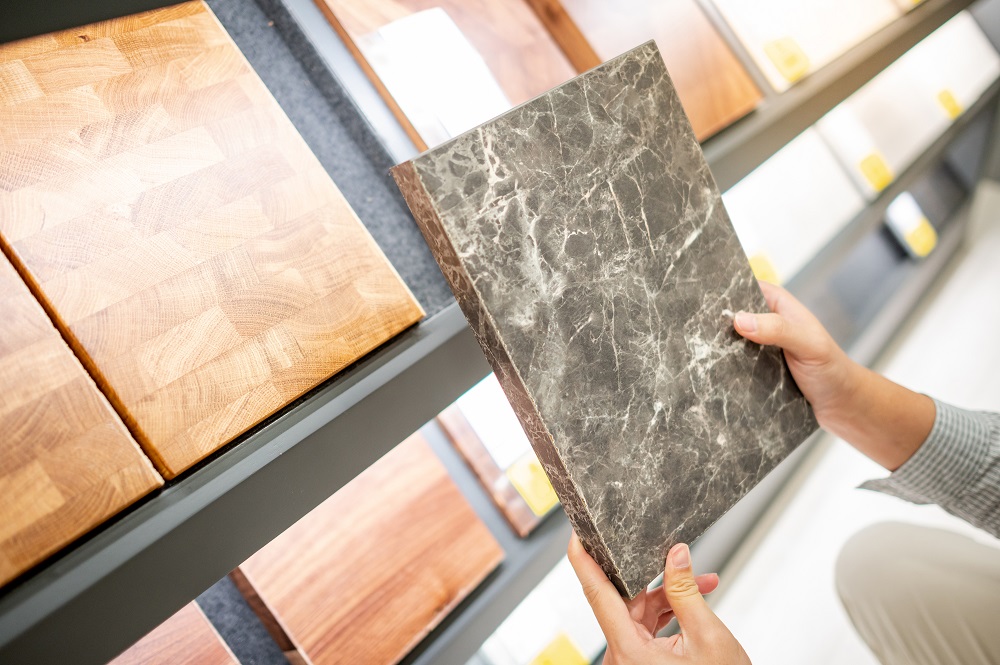
    Flooring materials shape the look and feel of your home, so selecting them early is helpful in maintaining design consistency. Whether you choose hardwood, laminate, tile, or carpet, each option offers different durability levels and style benefits. Having samples on hand can help you compare colors against walls, fixtures, and lighting.

    Interior finishes like baseboards, molding, and door trims also need to be prepared ahead of time to streamline installation. These finishing details give rooms a complete and refined appearance. It’s also wise to order extra flooring in case repairs or adjustments are needed later. Early preparation ensures your interior finishes come together smoothly and with minimal stress.

    Conclusion

    Preparing the right materials before home construction begins is one of the most effective ways to ensure a smooth, well-organized building process. When you gather essential items early—whether structural components, siding, windows, or interior finishes—you help your contractor work efficiently and prevent avoidable delays. Each material plays a unique role in supporting safety, comfort, and long-term durability, making early planning an investment in your home’s future.

    Taking time to research options, coordinate with professionals, and secure reliable suppliers allows you to approach construction with confidence. This preparation also makes it easier to stick to your budget and maintain your project timeline. With thoughtful decisions and proactive planning, you set the stage for a home that meets your needs and reflects your vision. By getting materials in order early, you pave the way for a construction process that is smoother, more predictable, and ultimately more rewarding.

  • Preparing for the Cold: Essential Heating Installation Tips for Winter

    Preparing for the Cold: Essential Heating Installation Tips for Winter

    When the temperature starts to drop, there’s nothing quite like stepping into a warm, cozy home. But that comfort doesn’t just happen—it’s the result of a well-planned and properly installed heating system. Whether you’re upgrading an old unit or setting up a new one, preparing early ensures your home stays comfortable all season long. From checking insulation to maintaining your furnace, these tips will help you get ready for the colder months ahead. Let’s explore how you can make your home more efficient, reliable, and winter-ready.

    Check and Upgrade Your Insulation

    Before focusing on your heating system, make sure your home’s insulation is up to par. Proper insulation prevents heat from escaping, reducing the strain on your heater and helping lower energy costs. Start by checking areas like your attic, windows, and doors for drafts or gaps where warm air might leak out. You can add weatherstripping or sealant to these areas for extra protection.

    If your home is older, it may be worth investing in upgraded insulation materials for better heat retention. Even simple improvements can make a big difference in maintaining consistent indoor temperatures. Good insulation not only keeps your home warm but also helps your heating system work more efficiently.

    Schedule a Professional Heating Installation

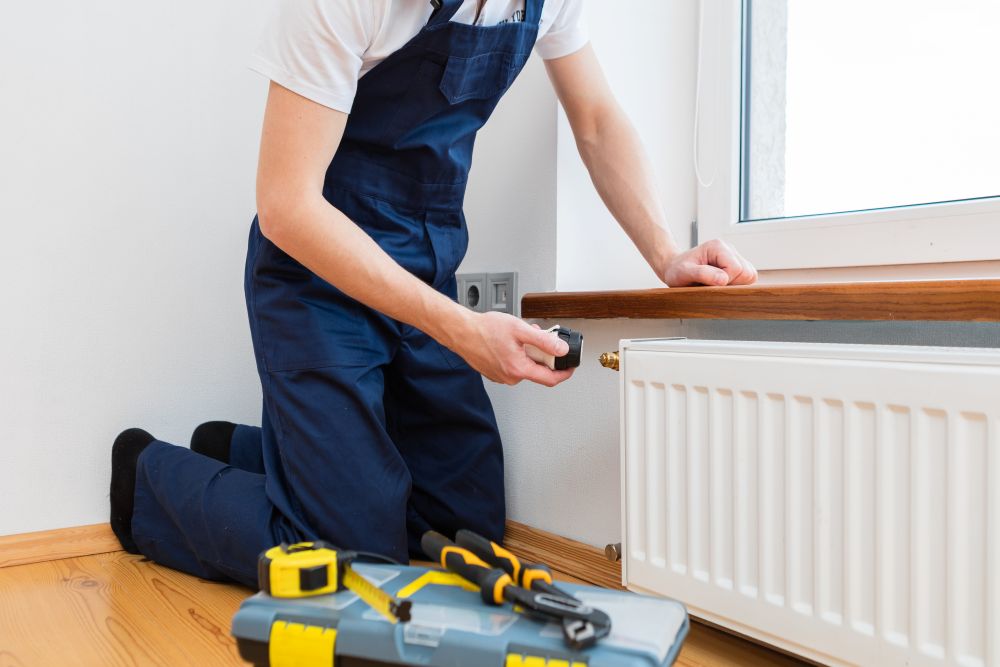
    Having your heating system installed by a certified technician ensures safety, energy efficiency, and dependable long-term performance. A trained professional doesn’t just connect the system—they evaluate your home’s layout, insulation, and heating requirements to determine the proper size and configuration. This careful planning helps prevent common problems such as uneven heating, excessive energy consumption, or premature system wear.

    Proper heating installation is a critical step in creating a safe and comfortable home environment, especially before the cold months arrive. Companies like Steele Brothers Heating Inc follow proven installation methods that meet industry standards and best practices. Their attention to detail during setup and testing ensures every component operates as intended. With a system installed correctly from the start, homeowners can enjoy reliable warmth, improved energy efficiency, and fewer maintenance issues throughout the winter season.

    Maintain and Clean Your Furnace Regularly

    Routine maintenance is essential to keep your heating system running smoothly throughout winter. Dust, debris, and worn-out components can reduce your furnace’s efficiency and lead to unexpected breakdowns. Start by replacing filters every one to three months, depending on your usage and the type of filter you have.

    It’s also important to check for unusual noises or odors, which can indicate a problem that needs attention. If your system hasn’t been serviced in a while, scheduling a home furnace repair before the season starts can save you from emergency calls later. Regular upkeep ensures consistent warmth, better air quality, and lower energy bills. Think of it as an investment in both comfort and peace of mind.

    Test Your Thermostat and Settings

    Your thermostat plays a key role in maintaining your home’s ideal temperature. Before winter arrives, test your thermostat to ensure it’s working accurately. If your heating system doesn’t respond correctly, the issue may be as simple as a low battery or a need for recalibration. Consider upgrading to a programmable or smart thermostat for better temperature control and energy savings.

    You can set schedules so your home is warm when you need it and conserve energy when you’re away. Even a small adjustment to your thermostat settings can lead to noticeable savings over the winter months. A properly functioning thermostat makes it easier to stay warm without overworking your heating system.

    Prepare for Emergency Backups and Safety Checks

    Finally, it’s always smart to prepare for unexpected issues during the colder months. Keep extra blankets, space heaters, and flashlights handy in case of a temporary heating outage. Test your smoke and carbon monoxide detectors to ensure they’re working properly—these devices are vital for safety when heating systems are running continuously.

    If your heating unit uses gas, make sure there are no leaks and that vents are clear of blockages. You can also review your system’s manual to understand basic troubleshooting steps. Regularly checking these details ensures your home is both warm and safe. Taking these precautions can make winter far more comfortable, even if the weather outside gets unpredictable.

    Final Thoughts

    Preparing your home for winter doesn’t have to be stressful or overwhelming. With the right heating installation, proper maintenance, and a few simple precautionary steps, you can enjoy a season filled with cozy comfort, reliable warmth, and lasting energy efficiency. Start early by inspecting your system, sealing any air leaks, and cleaning vents to ensure steady airflow throughout your home. Stay on top of regular maintenance to prevent unexpected breakdowns and costly repairs.

    It’s also a good idea to schedule a professional inspection to make sure everything is operating safely and efficiently before the cold weather arrives. When your heating system runs smoothly, you can relax knowing your home will stay safe, warm, and welcoming—no matter how chilly it gets outside.

Design a site like this with WordPress.com
Get started